Designing Homes for Light, Air, and Wellbeing

31 Mar 2026
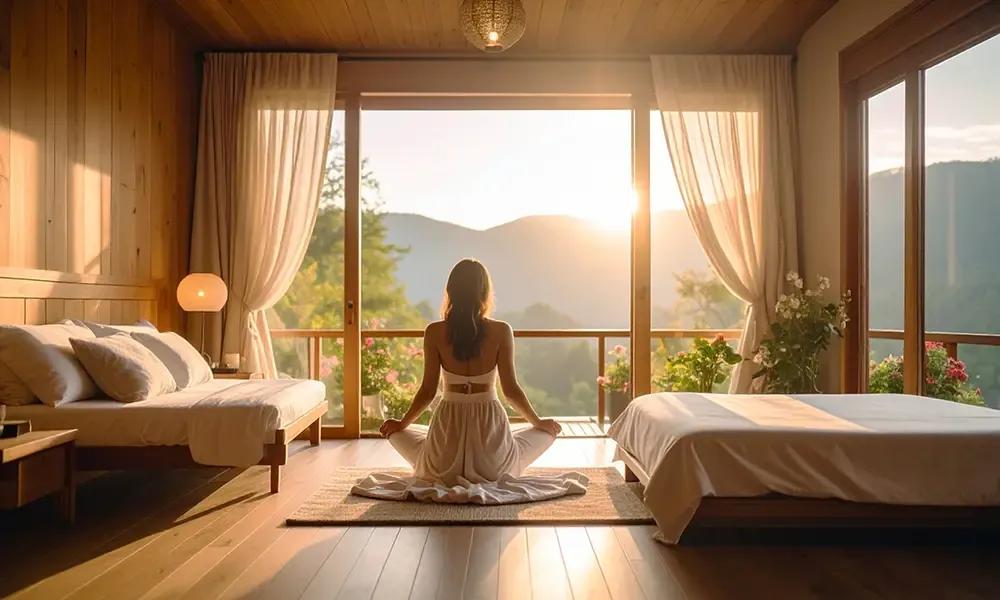
For years, home design conversations revolved around finishes, fittings, and “premium” amenities. In 2026, buyers are paying attention to something more fundamental: how a home feels every day. Does it feel bright or heavy? Calm or noisy? Fresh or stale? Those answers are shaped by light, airflow, and the small design choices that influence comfort and health.
This matters because people are spending more hours at home than before. Hybrid work is normal. Family routines are more home-centered. Even leisure time has shifted inward, streaming, home workouts, cooking, and slow weekends. When your home becomes the backdrop for most of your life, the quality of the indoor environment starts to matter as much as location.
Designing for light, air, and wellbeing is not about adding fancy features. It’s about creating homes that support focus, rest, and daily energy without constant effort. Let’s break down what that looks like, why it’s becoming a new residential standard, and how buyers can evaluate it.
Light Is Mood, Productivity, And “Spaciousness.”
Natural light is not just visual. It changes how your home feels in ways you notice every day.
A bright home tends to feel:
- more positive and energized in the morning
- easier to keep clean looking
- more spacious, even at the same square footage
- better for focus and work-from-home routines
A dark home tends to feel heavier, especially during monsoon or winter. Many buyers only realize this after moving in, when they notice lights stay on all day.
What Good Daylight Design Looks Like
The best daylight isn’t harsh glare. It’s usable, steady light that makes rooms feel alive.
Look for:
- living rooms with broad external exposure
- bedrooms that receive daylight without being blocked by nearby buildings
- kitchens that aren’t permanently dim
- windows placed to bring light deeper into the room, not only at one corner
If the living room is bright, the whole home usually feels better. If the living room is dark, even a big home can feel tight.
What Buyers Should Do During a Visit
If possible, visit once between late morning and early afternoon. Don’t only visit in the evening. During the day, check:
- whether light reaches more than the first few feet of the room
- whether the bedroom feels naturally lit or dependent on artificial light
- whether the balcony area blocks too much light from entering
Daylight is one of the most undervalued features because it’s hard to quantify, but easy to feel.
Ventilation Is Comfort, Smell Control, And Health
Ventilation is what makes a home feel fresh instead of stale. It affects temperature, humidity, and the way odors linger after cooking.
When ventilation is poor, homes often develop:
- persistent kitchen smells
- dampness in bathrooms
- “heavy” bedrooms even with windows open
- mold risk in corners and wardrobes
- higher dependence on air conditioning
Cross Ventilation: The Gold Standard
Cross ventilation happens when air can enter from one side and exit from another, creating real movement through the home. You usually see it when rooms have openings on different sides or when the layout allows airflow to travel.
Not every home has perfect cross ventilation. But good design tries to create airflow paths, not just windows.
Kitchens and Bathrooms Need Serious Ventilation
Kitchens need strong exhaust planning and a workable path for smell to leave the home. Bathrooms need ventilation that prevents dampness from lingering. Even if a bathroom has ducting, the quality of that system matters in real life.
A simple check: stand in the kitchen and imagine cooking something heavy. If the kitchen is closed, cramped, or poorly vented, daily life will feel harder.
Thermal Comfort: Light Shouldn’t Turn into Heat Stress
Good design balances daylight with heat management. In many cities, large windows can make homes feel hot and uncomfortable if they face direct sun with no shading or if glass quality is poor.
What Supports Thermal Comfort
- better window sealing
- shading from balconies or building setbacks
- thoughtful orientation and placement
- airflow that helps reduce heat buildup
The goal is a home that feels comfortable without forcing you to rely on air conditioning all day.
Air Quality: The Invisible Layer of Wellbeing
Indoor air quality is influenced by ventilation, materials, and moisture control. People now care more about this because they spend more time indoors and want homes that feel healthier.
Homes that support better air quality usually have:
- effective ventilation and exhaust
- reduced dampness in bathrooms
- less dust entry (helped by setbacks, window quality, and balcony placement)
- materials and finishes that don’t trap smell and moisture
Acoustic Comfort: Quiet Is the New Luxury
A wellbeing-focused home is not only bright and airy, but also calm. Noise impacts sleep quality, stress levels, and the ability to focus at home.
In 2026, acoustics matter because home isn’t only for rest. It’s also a work and study environment.
What Better Acoustic Planning Looks Like
- bedrooms placed away from the noisiest edges of the home
- a buffer between living areas and sleeping areas
- better window sealing that reduces street noise
- sensible placement of lifts and utility areas away from unit walls (project-level factor)
What Buyers Should Check
Even without technical tools, you can test:
- noise level with windows closed
- whether you can hear neighbors clearly in corridors
- whether the unit faces a busy road or construction zone
- whether the home has a calm feel or constant background sound
A quiet home supports better sleep, and better sleep improves everything.
Layout That Supports Wellbeing: “Easy Use” Is a Design Feature
Wellbeing isn’t only about air and light. It’s also about how easily you can live in the home without constant adjustments.
Homes that support wellbeing tend to:
- minimize wasted corridors
- create clear zones (active vs quiet)
- support storage so clutter doesn’t spread
- allow smoother movement through the home
A home that feels easy to use is less mentally exhausting over time.
Storage Reduces Stress More Than People Admit
Clutter is one of the fastest ways to reduce wellbeing at home. When storage is poor, even a well-lit, well-ventilated home can feel chaotic.
Well-designed homes typically include:
- workable wardrobe walls in bedrooms
- kitchen storage that supports daily cooking
- utility space that keeps cleaning items out of sight
- entry space for shoes, bags, and deliveries
Storage is not glamorous, but it shapes how calm a home feel.
Balconies and Micro-Outdoor Spaces Matter for Mental Reset
Balconies have been re-rated because people value quick, daily “break moments.” A usable balcony becomes a reset zone, fresh air, a small plant corner, or a quiet coffee space.
In wellbeing-focused design, balconies work best when:
- they have usable depth (not just decorative width)
- they don’t trap dust and heat excessively
- they provide some privacy, depending on the building setup
Even a small outdoor micro-space can reduce the feeling of being “stuck indoors.”
Community Design Is Part of Wellbeing Design
Wellbeing is not only inside the apartment. It’s also in the community’s environment.
In 2026, practical wellbeing amenities often matter more than flashy ones:
- walking loops and green zones
- usable gyms and fitness corners
- children’s play areas that reduce indoor chaos
- quiet spaces or reading corners in larger communities
- basic convenience options that reduce unnecessary drives
A community that encourages daily walking and outdoor time supports wellbeing without requiring extra effort.
A Practical Buyer Checklist for Light, Air, and Wellbeing
When you visit a home, these simple checks can reveal a lot:
- Visit once during the day to judge real daylight.
- Open windows and feel whether air movement is real.
- Check kitchen and bathroom ventilation and smell.
- Sit quietly for a minute to assess background noise.
- Look for dampness signs near bathroom walls or corners.
- Observe storage planning and utility space practicality.
- Check balcony depth and usability.
- Walk the community to see green space quality and maintenance discipline.
Conclusion
Designing homes for light, air, and wellbeing is becoming a new baseline because people now expect their homes to support modern life, work, rest, family routines, and recovery. A bright home improves mood and productivity. A well-ventilated home feels fresher and healthier. A quieter home supports better sleep and focus. And a layout that handles clutter and movement smoothly reduces stress over time.
If you’re buying in 2026, don’t only ask, “Is this a premium home?” Ask, “Will this home make my everyday life easier and calmer?” That question, and the design choices behind it, are what define the new residential standard.