Flats for Sale in Panathur: What Buyers Should Know Before Choosing a Home

20 Jul 2026
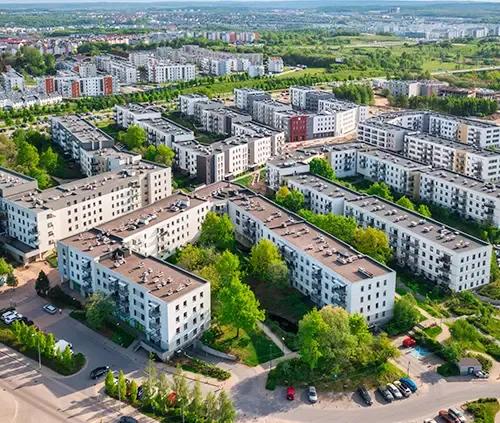
Buying a home in Bengaluru is a decision that combines lifestyle, location, financial planning and long-term expectations. For many buyers exploring East Bengaluru, Panathur has emerged as a location worth considering because of its relationship with established employment corridors, residential neighbourhoods and everyday conveniences.
But finding the right home is not simply about identifying a property that fits a budget. Buyers need to understand the location, evaluate the development, compare floor plans, assess connectivity and consider how the home will serve their lifestyle over the years.
If you are exploring flats for sale in Panathur, taking a structured approach can help you move beyond promotional claims and make a more informed decision.
Why Are Buyers Looking at Panathur?
A residential address becomes valuable when it supports the way people actually live.
Panathur's location within East Bengaluru makes it relevant for professionals and families who want access to employment hubs and surrounding residential areas while maintaining a home-oriented environment.
The wider area connects with important parts of Bengaluru's eastern corridor, making the location relevant to buyers whose daily routines extend across Panathur and nearby neighbourhoods.
For working professionals, commute considerations can play an important role. Families may instead place greater emphasis on schools, healthcare, shopping, recreation and the quality of the residential community.
The right location ultimately depends on how closely it aligns with your regular destinations.
What Should You Consider Before Buying a Flat?
A home purchase involves more than comparing the quoted price of different properties.
Before shortlisting a property, consider five fundamental factors:
Location: How well does the address fit your daily routine?
Home planning: Does the floor plan provide genuinely usable living space?
Community: Does the development offer a comfortable environment for residents?
Quality: What are the construction standards, specifications and developer credentials?
Future suitability: Will the property continue to meet your requirements as your lifestyle changes?
Considering these factors together can make the buying process more structured and help you avoid choosing a home based on a single attractive feature.
Location Should Come Before the Brochure
One of the most important steps when evaluating a property is understanding its actual location.
A project may be marketed using the name of a well-known neighbourhood, but buyers should look at the property's precise surroundings, approach roads and relationship with nearby destinations.
Consider your typical weekday.
Where do you work?
How often do you travel?
Where do your children study?
Which healthcare facilities do you prefer?
Where do you shop?
Which locations do you visit on weekends?
The answers to these questions can help determine whether the location is genuinely convenient for you.
This is especially important in Bengaluru, where two properties that appear close on a map can offer very different daily experiences depending on road access and traffic conditions.
Look Beyond the Number of Square Feet
A larger advertised area does not necessarily mean a better home.
The floor plan determines how effectively the available space can be used.
When visiting a property, look at:
- Living and dining proportions
- Bedroom dimensions
- Kitchen usability
- Storage opportunities
- Balcony placement
- Natural light
- Ventilation
- Privacy between bedrooms
- Movement between different areas of the home
A well-planned home can feel more comfortable and functional than a larger but poorly designed residence.
For buyers planning to stay for many years, this distinction becomes even more important.
Think About Your Future Lifestyle
A home should work for your future, not only your present circumstances.
A young couple may initially need less space. A growing family may eventually require another bedroom, a study area or additional storage.
Work-from-home requirements can also change how rooms are used.
Before choosing a property, consider how your household could evolve over the next five to ten years.
Ask yourself:
- Will the family grow?
- Will you need a dedicated workspace?
- Do you frequently have guests?
- Will children require greater privacy?
- Do you need space for hobbies?
- Are you planning to stay in the property long term?
These questions can help you identify a home that remains functional as your needs change.
Evaluate the Residential Community
The apartment is only one part of the purchase.
The surrounding community can influence your everyday experience just as significantly.
Look at how the development is planned. Are there meaningful open spaces? Are pedestrian areas comfortable? Are amenities positioned thoughtfully? Is there sufficient privacy between active and quieter areas?
For families, children's spaces and recreational facilities may be important.
For professionals, fitness and social spaces may add convenience.
For older family members, accessible common areas and comfortable walking spaces can become valuable.
The best communities are not necessarily those with the longest list of amenities. They are the ones where the available facilities genuinely support residents' lifestyles.
What Amenities Should Buyers Look For?
Amenities should be evaluated based on usability rather than quantity.
A modern residential community may include facilities such as:
- Fitness and wellness areas
- Swimming facilities
- Sports spaces
- Children's play areas
- Landscaped outdoor areas
- Community and social spaces
- Walking areas
- Indoor recreation spaces
The right combination depends on the buyer.
A family with children may value play and recreation areas more than a buyer living alone. A professional may prioritise fitness facilities and spaces suitable for socialising.
During a site visit, consider whether these facilities are well positioned, accessible and likely to be useful as part of your everyday routine.
How Important Is Connectivity?
Connectivity is an important part of the home-buying decision, but it should be assessed practically.
Instead of relying only on statements such as “excellent connectivity,” identify the routes you actually use.
Consider access to:
- Your workplace
- Schools
- Healthcare
- Shopping
- Entertainment
- Public transport
- Major roads
- Other frequently visited locations
Travel times can vary significantly depending on the time of day, so visiting the location during your regular commuting hours can provide more realistic insight.
For a long-term home purchase, practical connectivity is more valuable than a simple distance measurement.
How Should You Compare Properties?
Comparing homes purely on price can make the decision unnecessarily difficult.
Create a simple comparison framework covering the factors that matter most to you.
Location
Compare accessibility, surroundings and proximity to important destinations.
Home
Compare floor plans, usable space, natural light, ventilation and privacy.
Community
Compare open areas, amenities, security and overall planning.
Quality
Review specifications, construction standards and the developer's track record.
Financial commitment
Look beyond the headline price and understand applicable charges, payment schedules and other costs associated with the purchase.
Long-term value
Consider whether the home is likely to remain suitable for your family's needs.
A structured comparison helps you evaluate the overall proposition rather than allowing one factor to dominate the decision.
What Should You Verify Before Booking?
Buying a home is a significant financial commitment, so due diligence should be part of the process.
Before making a booking decision, buyers should review applicable project documentation and independently verify relevant details.
These may include:
- RERA registration, where applicable
- Title and ownership documentation
- Required approvals
- Project specifications
- Construction status
- Payment schedule
- Agreement terms
- Possession-related information
- Maintenance-related terms
A qualified legal or financial professional can help buyers review documents and understand obligations before entering into an agreement.
Should You Visit the Property Before Deciding?
Yes.
Digital listings, photographs and brochures can help you create an initial shortlist, but an actual site visit can reveal details that are difficult to understand online.
During the visit, observe the approach to the property, surrounding development, noise levels, common areas, apartment orientation and overall environment.
If possible, visit at different times of the day.
A weekday visit can help you understand commuting conditions, while an evening or weekend visit may provide a better sense of the residential environment.
Who Could Consider Buying in Panathur?
The location can be relevant to different types of buyers, depending on their priorities.
Working professionals
Those who want to remain connected to Bengaluru's eastern employment corridors may find the location worth evaluating.
Young couples
Buyers starting their homeownership journey may value a well-connected location and a residential community with useful lifestyle facilities.
Families
Families can evaluate the area based on access to schools, healthcare, everyday conveniences and community amenities.
Long-term homeowners
People planning to stay in their home for several years should focus particularly on floor-plan flexibility, neighbourhood development and the long-term suitability of the property.
Investors
Investors should evaluate a property independently based on factors such as location, demand, project quality, financial feasibility and applicable market conditions rather than relying solely on projected appreciation.
Making a More Informed Home-Buying Decision
Finding the right home requires patience and a clear understanding of your priorities.
When evaluating flats for sale in Panathur, look beyond the headline price and marketing material. Study the location, understand your daily commute, evaluate the floor plan, inspect the development and verify the relevant documentation.
Most importantly, think about the home as a long-term lifestyle decision.
The right property should give you more than a place to live. It should provide a comfortable environment for everyday routines, family moments, personal space and future plans.
For buyers exploring residential opportunities in Panathur and across Bengaluru, Puravankara offers a range of residential developments designed around contemporary lifestyles, thoughtful planning and the needs of modern homebuyers.
Frequently Asked Questions
What should I check when looking for flats for sale in Panathur?
Check the property's exact location, floor plan, construction quality, developer credentials, amenities, connectivity, applicable approvals, project documentation and total financial commitment before making a decision.
Is Panathur a good location for buying a home?
Panathur can be considered by buyers seeking a residential address within East Bengaluru's broader employment and residential ecosystem. Suitability ultimately depends on the buyer's workplace, family requirements, preferred amenities and daily travel patterns.
What factors affect the value of a flat?
Location, connectivity, project quality, floor plan, development standards, amenities, surrounding infrastructure and market conditions can all influence a property's value. Buyers should assess these factors together rather than focusing on a single metric.
Should I choose a home based only on price?
No. The lowest price does not necessarily represent the best value. Buyers should compare location, usable space, construction quality, amenities, documentation, overall costs and long-term suitability.
How important is the floor plan?
The floor plan is extremely important because it determines how effectively the available space can be used. Buyers should consider room proportions, circulation, natural light, ventilation, privacy and flexibility.
Is a site visit necessary before buying?
A site visit is strongly recommended. It allows buyers to evaluate the surrounding environment, approach roads, common areas, construction progress and practical aspects of the property that may not be evident online.

