From Gyms to Co-Working Spaces: What People Expect from Modern Communities

26 Oct 2026
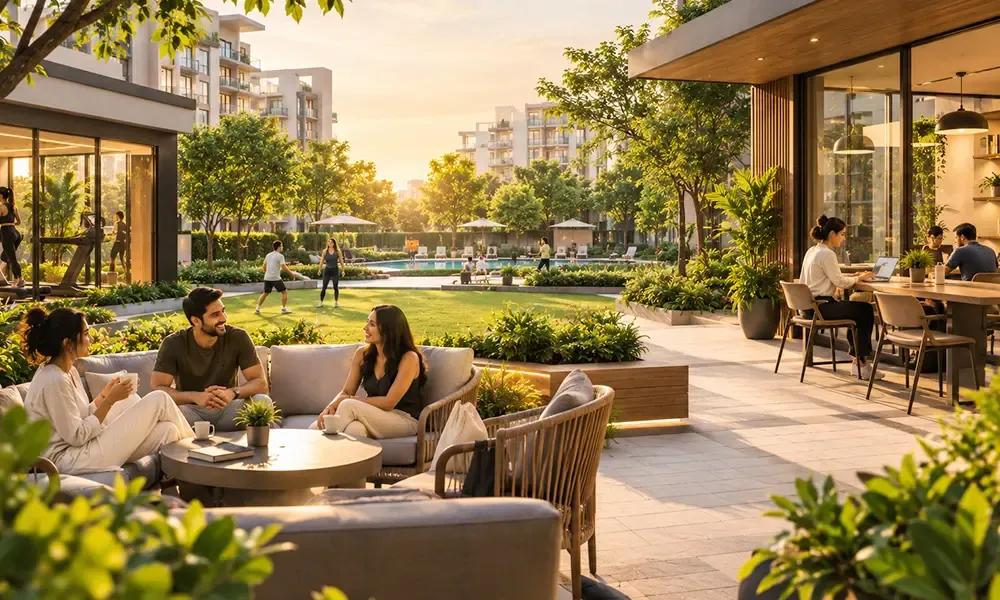
A modern residential community is no longer judged only by the apartment layout, tower design, or location. Buyers now look closely at what life will feel like after they move in. They ask whether the community supports work, fitness, family time, children’s activities, senior living, social interaction, pets, safety, and everyday convenience.
This is a major shift from the older idea of amenities. Earlier, a gym, swimming pool, clubhouse, and garden were enough to make a project feel attractive. Today, buyers are more selective. They do not want long amenity lists that look impressive only in brochures. They want spaces they will actually use.
From well-equipped gyms to co-working lounges, walking tracks, children’s zones, pet parks, wellness decks, and community spaces, modern residential projects are becoming lifestyle ecosystems. The best communities are not simply adding amenities. They are designing around how people live now.
Amenities Have Moved from Luxury to Daily Use
Amenities were once seen as an added benefit. They made a project look premium, but many residents did not use them regularly. That has changed.
Today’s buyers expect amenities to support daily routines. A gym is not just a feature to mention in the brochure. It should be functional, ventilated, well-equipped, and maintained. A clubhouse should not sit unused. It should support gatherings, events, indoor games, work, and community life. Open spaces should not be leftover land. They should be designed for walking, play, seating, and relaxation.
This change has happened because homes are being used more intensely. Families spend more time inside residential communities. Hybrid work has increased daytime usage. Children need safe play areas. Senior residents need walking zones. Pet owners need open and managed spaces. Young professionals need fitness and social amenities.
A modern community must therefore work throughout the day, not only look good on launch day.
The Gym Is Still Important, But Expectations Have Changed
The gym remains one of the most expected amenities in a residential community. But buyers now look beyond the word “gym.” They want to know whether it is usable.
A small room with two machines is no longer enough. Residents expect proper ventilation, enough equipment, free weights, cardio machines, stretching areas, mirrors, clean flooring, and safe access. In premium communities, buyers may also expect functional training zones, yoga rooms, trainers, or wellness programming.
The reason is simple. Fitness has become part of everyday urban life. Many people prefer working out within their community because it saves travel time and encourages consistency. A gym inside the project removes the need for a separate membership and makes fitness easier to fit into a busy schedule.
For working professionals, it supports early morning or late evening workouts. For families, it creates a health-focused routine. For senior residents, a well-planned fitness space can encourage safe movement.
A good gym is no longer a luxury. It is basic lifestyle infrastructure.
Co-Working Spaces Are Now a Serious Buyer Expectation
Hybrid work has changed the value of residential amenities. Many residents work from home for part of the week, but not everyone wants to work from the bedroom, dining table, or living room every day. This has made co-working lounges and work pods important.
A co-working space inside a residential community can support focused work, meetings, calls, study sessions, freelancing, and small business tasks. It gives residents a professional environment without leaving the campus.
This is especially useful for people who live in compact apartments, families with children, or couples where both partners work from home. A shared work lounge can reduce household disturbance and improve productivity.
For students, these spaces can double as study zones. For entrepreneurs and consultants, they offer a convenient place for calls or planning. For hybrid workers, they create a middle ground between home and office.
In modern communities, co-working spaces are not a trend anymore. They are becoming a practical response to how people now work.
Open Spaces Matter More Than Ever
Open space is one of the most valued features in modern residential projects. Buyers want greenery, walking paths, seating areas, lawns, courtyards, gardens, and areas where residents can spend time outdoors.
This matters because urban living can feel dense and tiring. A home may have a good layout, but if the community has no outdoor breathing space, residents may still feel boxed in.
Open spaces support multiple needs. Children can play safely. Senior citizens can walk. Families can sit outdoors. Residents can exercise, meet neighbours, or simply step out for fresh air.
The quality of open space matters more than the percentage alone. A landscaped area that is poorly maintained or not accessible will not add much value. A smaller but well-designed open space may feel more useful than a large but disconnected lawn.
Modern buyers understand this difference. They want open spaces that are usable, shaded, safe, and integrated into everyday life.
Wellness Amenities Are Becoming Mainstream
Wellness is now a major part of residential design. Buyers are looking for amenities that support physical and mental wellbeing, not only recreation.
This includes yoga decks, meditation lawns, jogging tracks, reflexology paths, spa rooms, swimming pools, cycling tracks, wellness gardens, quiet seating areas, and nature-inspired zones. These spaces help residents slow down, move more, and manage stress.
Wellness amenities are especially relevant in cities where long commutes, work pressure, pollution, and screen-heavy lifestyles affect daily health. A residential community that supports wellness can improve quality of life.
This trend is not limited to luxury housing. Even mid-segment projects now include jogging tracks, yoga areas, rooftop fitness zones, and landscaped sitting spaces because buyers expect healthier living environments.
The modern homebuyer is not only asking, “How big is the apartment?” They are asking, “Will this community help me live better?”
Children’s Spaces Need to Be Safe and Thoughtful
For families, children’s amenities are a major decision factor. A play area is no longer just a swing and slide in one corner. Parents expect age-appropriate, safe, visible, and engaging spaces.
A good children’s zone should have soft flooring, safe equipment, shaded areas, seating for parents, and enough space for movement. Larger communities may also include indoor playrooms, activity rooms, skating areas, sports courts, reading corners, or learning spaces.
This matters because children need spaces to play, socialise, and develop independence. In busy cities, parents may not always feel comfortable sending children outside the community. A well-designed residential campus can give children a safer environment within reach.
For parents, this creates peace of mind. For children, it creates a sense of belonging. For the community, it encourages interaction among families.
Senior-Friendly Design Is Becoming Essential
Modern communities must also support senior residents. Many Indian families live with ageing parents, and even independent senior residents increasingly prefer secure apartment communities with access to services.
Senior-friendly features include walking tracks, benches, shaded seating, handrails, smooth pathways, good lighting, ramps, emergency response systems, lift access, and nearby healthcare support. These may not sound glamorous, but they are extremely important.
A community that ignores senior residents may feel incomplete. A good modern community should allow older residents to move safely, socialise, exercise gently, and participate in community life.
This is also important for long-term buyers. A home bought today should remain practical as family needs change over the years.
Pet-Friendly Spaces Are No Longer Optional
Pet ownership has increased in many urban households, and buyers now look for pet-friendly communities. This does not only mean allowing pets. It means planning for them.
Pet parks, walking areas, waste disposal stations, pet washing zones, and clear community rules can make life easier for both pet owners and non-pet owners.
Without proper planning, pets can become a source of conflict in residential communities. With good planning, they become part of a healthier and more inclusive living environment.
For many young buyers and families, pet-friendly policies can influence the property decision. A community that recognises pets as part of the household feels more modern and realistic.
Security and Safety Remain Non-Negotiable
No amenity matters if residents do not feel safe. Security remains one of the most important expectations in modern communities.
Buyers look for gated access, trained security staff, CCTV, visitor management, access control, lighting, fire safety systems, emergency procedures, and clear movement planning. For families with children and senior citizens, this becomes even more important.
Safety also includes design. Well-lit pathways, visible play areas, safe parking movement, separate pedestrian zones, and clear signage can improve everyday comfort.
A modern community must make residents feel protected without making the environment feel restrictive. The goal is not only surveillance. It is peace of mind.
Community Spaces Create Belonging
Modern residential projects are increasingly judged by how well they support community life. People do not want to live in isolated towers where neighbours remain strangers. They want spaces that make interaction easier.
Multipurpose halls, party lawns, amphitheatres, cafés, reading rooms, hobby rooms, indoor games areas, festival spaces, and informal seating zones can all help residents connect.
Community spaces are important because urban life can feel lonely. Shared spaces allow residents to celebrate, collaborate, meet, and build relationships. For children, they create friendships. For senior residents, they reduce isolation. For families, they create support networks.
A good community is not only a collection of homes. It is a social environment.
Convenience Amenities Are Becoming More Valuable
Modern buyers also expect everyday convenience inside or near the community. This may include grocery stores, pharmacy access, parcel rooms, EV charging points, laundry services, maintenance desks, salon access, cafés, ATM points, or small retail zones.
These features save time. They reduce the need for residents to leave the campus for small tasks. In large townships and emerging corridors, internal convenience becomes even more important because external infrastructure may still be developing.
Parcel rooms and delivery management have also become important due to the rise of online shopping. Communities need systems that can handle deliveries smoothly without creating security or lobby clutter.
Convenience amenities may not always feel exciting, but they make daily life easier. That is why they matter.
EV Charging Is Becoming a Future-Ready Feature
Electric vehicle charging is becoming an increasingly important amenity in modern residential projects. As more buyers consider electric cars and scooters, communities need to support charging infrastructure.
EV charging also signals that the project is future ready. Even buyers who do not own an electric vehicle today may value the option for the future.
However, EV infrastructure must be planned properly. It requires electrical capacity, safety systems, billing mechanisms, parking allocation, and long-term maintenance. Simply mentioning EV charging is not enough.
For future-focused buyers, this feature can improve the perceived value of a project.
People Want Usable Amenities, Not Long Lists
The biggest shift in buyer expectations is quality over quantity. A project may list dozens of amenities, but buyers are learning to ask whether those amenities will actually be used.
A good swimming pool matters more than five decorative water features. A well-equipped gym matters more than a poorly maintained fitness room. A useful co-working space matters more than a locked business centre. A shaded walking path matters more than an ornamental lawn.
Modern buyers want honest amenities. They want features that solve real needs and improve daily life.
This is why developers must design for usage, not just marketing.
What Developers Should Focus On
Developers building modern communities should focus on five things: daily use, maintenance, inclusivity, flexibility, and long-term relevance.
Daily use means amenities should support real routines. Maintenance means they should remain clean, functional, and safe after handover. Inclusivity means they should serve children, adults, senior citizens, pets, and different lifestyle needs. Flexibility means spaces should support multiple uses as resident needs change. Long-term relevance means features like co-working, EV charging, wellness, and open spaces should be planned seriously.
A modern community succeeds when residents continue using its spaces years after moving in.
What Buyers Should Check During a Site Visit
Buyers should not be impressed only by the amenity list. They should check how those amenities are placed, sized, accessed, and maintained.
Visit the gym. See whether it has enough space and equipment. Check the co-working area. Ask how many seats it has and whether residents can book it. Walk through open spaces. Notice shade, lighting, seating, and safety. Check the children’s play area, senior zones, parking, visitor entry, security systems, and delivery management.
Also ask about maintenance charges. More amenities usually mean higher upkeep. The cost should feel justified by actual usage.
A good community should make everyday life easier, not simply look attractive in marketing material.
Conclusion
Modern residential communities are changing because people’s lives have changed. Homes now need to support work, fitness, wellness, children, senior residents, pets, social life, convenience, and safety. This is why amenities such as gyms, co-working spaces, open greens, wellness zones, pet areas, EV charging, and community spaces have become serious buyer expectations.
The best communities are not the ones with the longest amenity list. They are the ones where amenities are useful, well-maintained, inclusive, and connected to real daily routines.
For buyers, the right question is not “How many amenities does this project have?” The better question is “Which of these spaces will improve my life after I move in?”
That is what modern community living is really about.

