From Work-from-Home to Live-from-Home: The New Residential Design

25 Mar 2026
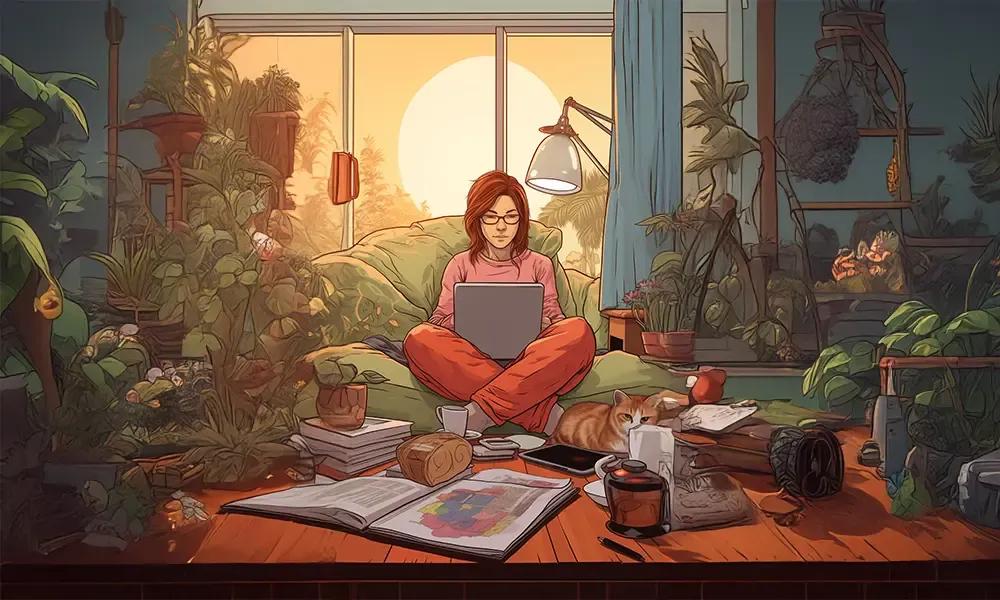
A few years ago, “work-from-home” sounded like a temporary arrangement. In 2026, it’s become something bigger: a complete shift in how people expect their homes to function. Work hasn’t simply moved into the home. Life has expanded inside it.
That change is what’s driving a new idea in residential real estate: live-from-home design. It’s not only about setting up a desk in the corner. It’s about designing homes and communities that support the full routine of modern living, work, rest, focus, family time, wellness, creativity, and social connection, without forcing people to feel cramped or constantly “on.”
This blog breaks down what live-from-home design looks like in 2026, why it matters, and how buyers can evaluate homes through this newer lens.
What “Live-From-Home” Really Means
Work-from-home design was mostly functional: make a workspace, handle calls, manage Zoom. Live-from-home design goes further. It assumes the home must support:
- deep focus work
- hybrid schedules (some days home, some days office)
- family routines and schoolwork
- wellness and recovery
- hobbies and creative time
- private moments and social moments
- everyday convenience without clutter
Your home is now a multi-purpose environment that shifts across the day. The best residential design in 2026 doesn’t ask you to live around the home. It adapts to you.
The Biggest Shift: Homes Are Being Designed For “Modes,” Not Rooms
Traditional home design treated rooms as fixed categories: bedroom, hall, kitchen. Live-from-home design treats spaces as modes:
1) Focus Mode
A quiet corner, minimal distraction, better acoustics, good lighting. These matters for work calls, study sessions, reading, or even just calm time.
2) Social Mode
A living/dining layout that supports conversations and gatherings without feeling cramped.
These matters because people still host, even if more selectively than before.
3) Recovery Mode
Space that supports rest, reduced noise, better ventilation, and a feeling of calm. This includes bedrooms, but also light, airflow, and sound control.
4) Family Mode
Areas that handle shared routines: homework, meals, storage, play, and movement.
The best homes make these modes possible without requiring huge square footage. They use layout intelligence.
The Return of the “Real” Second Room
One of the clearest live-from-home trends is the revaluation of the second bedroom.
In the past, a second room was often a guest room or a flexible space. In 2026, that second room is a survival feature. It might become:
- a dedicated home office
- a study room and homework area
- a nursery
- a flexible room that shifts between work and rest
Design Clue: Bedroom Proportions Matter
A “workable” second room is not just about being labeled as a bedroom. It needs proportions that allow:
- a desk plus chair without blocking movement
- a bed plus wardrobe without feeling tight
- enough electrical points and daylight
That’s why smart 2BHK layouts are winning over larger homes with awkward planning.
Acoustic Design: The New Luxury You Can’t See
Noise is one of the biggest hidden killers of liveability. And when people work and live at home, noise becomes a daily stressor.
Live-from-home design is pushing acoustics into mainstream priorities:
What Better Acoustic Planning Looks Like
- bedrooms placed away from living room noise zones
- doors that seal well and reduce sound leakage
- window quality that reduces street noise
- smarter placement of balconies and utility areas
- thicker internal walls in higher-end projects
Why Buyers Should Care
Even if you love a home, if you can hear:
- traffic continuously
- neighbors clearly
- constant construction sounds
your daily focus and recovery suffer. A calm home now has real value.
Lighting and Ventilation Have Become Productivity Features
Natural light and airflow used to be “nice to have.” In 2026, buyers see them as daily energy factors.
What Live-From-Home Homes Do Better
- larger windows or better window placement
- living rooms and bedrooms that get usable daylight
- kitchens that don’t feel closed off and dark
- cross ventilation when possible
- balconies that aren’t purely decorative
Why It Matters
Light affects mood and productivity. Ventilation affects comfort and health. People now spend more hours at home than before, so these features have a stronger impact.
The Rise of Smart Storage and Clutter Control
Living-from-home creates more stuff: tech gear, cables, additional seating, hobby items, kids’ supplies. Without better storage, homes feel messy fast.
Storage Features Buyers Now Look For
- proper wardrobe niches, not afterthought spaces
- loft storage and overhead planning
- utility space that doesn’t invade the kitchen
- entryway storage for shoes, bags, deliveries
- kitchen storage that supports bulk buying and daily cooking
A home that stays visually calm supports mental calm. That is not a design cliché anymore, it’s daily truth.
Kitchens Are Becoming “Everyday Studios”
Kitchens aren’t just functional rooms now. They’ve become daily-life studios: people cook more, snack more at home, host small gatherings, and manage family routines around food.
Live-From-Home Kitchen Trends
- more counter space
- better segregation between wet and dry zones
- stronger ventilation and chimney planning
- utility areas that handle washing and storage without clutter
- layouts that allow two people to operate comfortably
The kitchen is now a major decision factor because it shapes daily rhythm.
Balconies and Outdoor Micro-Spaces Are Now Essential
The balcony has been re-rated. It’s not just for plants or storage. It’s a mental reset zone.
What Buyers Want from Balconies in 2026
- usable depth (not just a narrow ledge)
- better privacy
- space for a chair or a small table
- good airflow without direct dust exposure
Even small outdoor micro-spaces reduce cabin-feel and improve wellbeing, especially for people who spend long hours indoors.
The New Demand for Flexible Furniture Zones
Live-from-home design doesn’t only rely on architecture. It also assumes furniture will be multi-purpose:
- foldable desks
- extendable dining tables
- movable partitions
- sofa setups that support both relaxation and work
- wall-mounted storage and work surfaces
That’s why “open plan” is changing. People still like openness, but they also want micro-zones inside open spaces.
Community Design Is Becoming Part of “Home Design”
Live-from-home isn’t only about the unit. It’s also about what the community enables.
The Amenities That Matter More Now
- co-working lounges and meeting pods
- quiet reading rooms
- walking tracks and green zones
- gyms and wellness areas
- kids’ play areas that reduce indoor chaos
- small convenience stores inside large communities
People don’t want to drive for every need. Communities that support everyday routines become more desirable.
The Shift: Amenities That Get Used
In 2026, buyers are more skeptical of flashy amenities they will never use. They prefer practical ones that reduce daily friction.
Tech and Power Resilience Are Part of Liveability
If you live and work at home, unreliable power and poor internet become major stress points.
What Buyers Now Ask
- power backup scope (lifts, pumps, basic home load)
- broadband options and provider availability
- mobile signal strength inside the unit
- router placement and wiring readiness
These are no longer “after possession problems.” They are buying criteria.
What Homebuyers Should Look For: A Live-From-Home Checklist
If you’re evaluating a home in 2026, here are practical checks that reveal whether a home truly supports live-from-home living:
Layout Checks
- Is the second bedroom truly usable for work or study?
- Is there dead corridor space that reduces usable area?
- Does the living room allow a seating + dining setup without crowding?
Comfort Checks
- How is daylight during daytime?
- Is ventilation real, or only “on paper”?
- What is the noise level with windows closed?
Practicality Checks
- Are there enough electrical points where you need them?
- Is there proper storage planning?
- Is the kitchen functional for daily use?
Community Checks
- Is there a quiet space or coworking area?
- Are walking and green zones usable?
- Does the community feel well managed?
This checklist turns the design conversation into a real-life conversation.
Conclusion
The shift from work-from-home to live-from-home is not a trend. It’s a long-term change in expectations. People want homes that support multiple modes across the day: focus, family, recovery, wellness, and social life, without feeling cluttered or chaotic.
In 2026, good residential design is not only about premium finishes. It’s about intelligent layouts, usable second rooms, better acoustics, light and ventilation, practical storage, functional kitchens, and communities that reduce friction. The homes that win will be the ones that feel good on an ordinary weekday, not just on a site visit.