How Meditation and Yoga Spaces Enhance Residential Living

27 Nov 2026
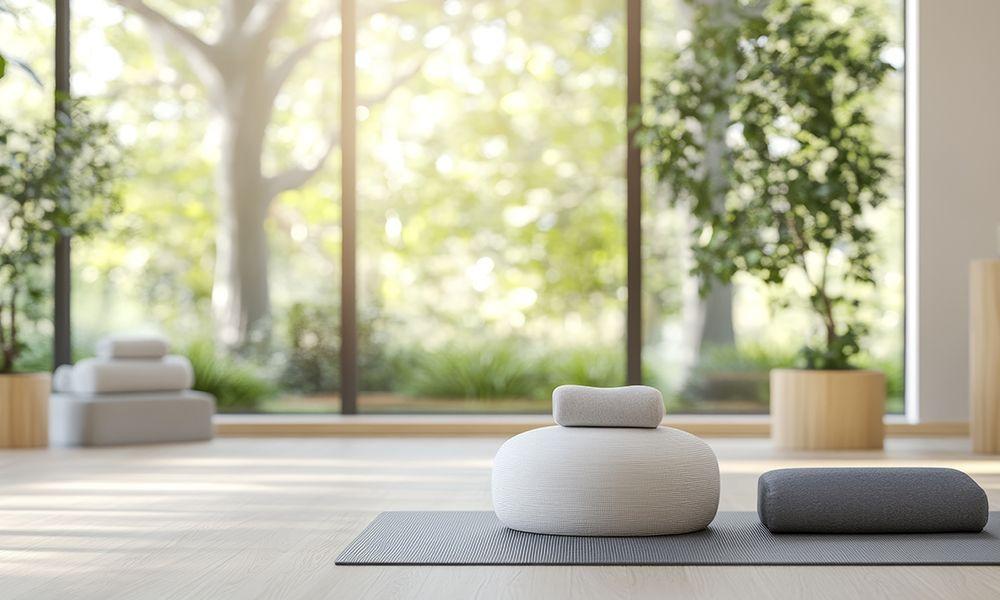
It's early morning in a Bengaluru apartment complex. The city is only half awake, traffic is starting to build on the road outside, and most residents are getting ready for another long day. In one corner of the community, though, there's a quiet patch of green. A few people are doing yoga. Someone is sitting still with their eyes closed. Others are just out enjoying the morning air.
More and more homebuyers find a space like this attractive.
Residential amenities have changed a good deal over the years. Swimming pools, gyms and clubhouses used to be the headline features of a premium project. Developers now also pay attention to something plainer that matters just as much to many residents: places where people can slow down, step out of their routine and look after their wellbeing.
Meditation and yoga spaces are part of that change. They're rarely the most eye-catching amenity in a community, and their appeal lies in how easily they slip into everyday life. For families, working professionals and senior citizens, a peaceful corner like this is a chance to make wellness a regular habit and not an occasional effort.
Why Wellness Is Becoming Important in Residential Communities
City life in India is demanding. Office commutes, housework, school schedules and the phone that never stops buzzing leave little time to relax. Even weekends fill up with shopping, errands and social commitments.
All of this has slowly changed what people expect from a home. Buyers still put location, security, apartment size and connectivity first, but many also want a community that supports a healthier way of living.
Wellness amenities have become part of that conversation. Developers are adding yoga decks, meditation rooms, landscaped gardens, walking tracks and quiet seating areas so residents have somewhere to spend time away from their usual routine.
Part of the appeal is that none of this asks for a big lifestyle change. Sometimes a peaceful spot a short walk from the flat is all it takes to get someone started on a healthier routine.
Yoga Spaces Make Fitness More Accessible
Plenty of people want to practise yoga regularly and can't find the time.
A class outside the community means travelling, arranging transport and working around office or family schedules. After a long day, even a short trip feels like a chore. A dedicated yoga space inside the community takes away some of those obstacles. Residents can practise before leaving for work, join an organised morning session, or stretch for a few minutes in the evening.
For beginners, having a suitable space close by may make it easier to stay consistent.
Yoga also suits people of different physical abilities, as long as the practice is adapted properly. Some residents will stick to gentle stretches and breathing exercises, and others will follow a more structured routine.
Research suggests yoga can support general wellbeing, flexibility, balance and stress management, though the benefits depend on the person and the kind of practice. What a designated area at home does is make it easier to show up.
Meditation Spaces Offer a Break From Everyday Noise
A community can have lovely gardens and plenty of recreational facilities and still have nowhere that's truly quiet. Children are playing, cars are moving through the parking area, and the common spaces are in use all day.
A meditation area offers what a busy residential environment usually lacks, which is a place with fewer distractions.
It doesn't have to be elaborate. A shaded corner with greenery around it, a quiet indoor room, or a small pavilion set away from the high-activity zones will do the job. For residents who already meditate, a dedicated setting can make the habit easier to keep.
Mindfulness and meditation may help some people manage stress and feel better in general. They aren't a substitute for medical treatment, but they can be one part of a wider self-care routine.
In a city where people spend most of the day surrounded by activity, a quiet corner close to home can feel especially valuable.
A Better Start to the Day
Morning routines shape how people experience their homes more than you might expect.
For some, the day starts with work messages or a rush to get breakfast ready. Others would like a little time to exercise, stretch or just sit outdoors before their responsibilities begin. A yoga deck or meditation garden puts those quieter mornings within reach.
Nobody has to leave the community or travel to a separate wellness centre. They step out of the apartment and spend some time in a setting designed for relaxation. For a working professional, that might be twenty minutes of yoga before getting ready for office. For a retired resident, it could be an unhurried morning session and then a walk through the garden.
The value is in making these activities easier to fit into daily life.
Why Green Surroundings Make a Difference
Where a yoga or meditation space sits matters almost as much as the space itself. A room facing a busy parking area won't feel the same as a quiet corner with plants and natural light.
That's why developers increasingly place wellness areas in the landscaped parts of a project. Outdoor yoga decks, shaded lawns, meditation gardens and seating areas among greenery create a calmer atmosphere, and natural surroundings may make the spaces more inviting too. Residents are more likely to use a garden regularly when it offers comfortable seating, shade and a sense of privacy.
Outdoor design does have to account for Indian weather. Bengaluru's rainy months, Kochi's humidity and the summer heat in cities such as Hyderabad all affect how comfortably these facilities can be used. A mix of indoor and outdoor wellness spaces may offer more flexibility through the year.
A Useful Addition for Working Professionals
Professionals who work long hours find it hard to keep up a healthy routine.
A typical weekday can involve early meetings, a lengthy commute, several hours at a screen and household responsibilities after getting home. By the end of it, travelling to a separate yoga studio isn't very appealing.
A wellness facility inside the community is the more convenient option. Residents can join a class, practise on their own, or spend a short while unwinding before going back up to the apartment.
This is particularly useful for people who work from home. When the home is also the workplace, it helps to have a separate environment where the mind can switch off from professional responsibilities. A short walk to a meditation garden or yoga area gives that change of setting without a trip outside the complex.
Supporting the Needs of Senior Residents
Yoga and meditation spaces can also make a community more appealing to senior citizens.
Many older residents prefer activities that fit comfortably into their day and don't involve long-distance travel. Gentle movement, breathing exercises and suitable relaxation practices may be enjoyable when adapted to a person's health and mobility, and having the facilities within the community makes it more convenient to take part.
Accessibility matters a great deal here. Yoga and meditation areas should have safe flooring, adequate lighting, seating nearby and easy access from the residential towers. Shade and proper ventilation add to the comfort.
For residents with medical conditions or limited mobility, activities should be modified with appropriate professional advice.
A well-designed wellness area should welcome people of different ages and not cater only to younger fitness enthusiasts.
Creating Opportunities for Families to Spend Time Together
Family routines today can be surprisingly fragmented. Parents work different schedules, children go to tuition or extracurricular classes, and grandparents follow their own daily activities.
Shared wellness spaces give family members a reason to spend time together. A weekend yoga session can become a simple family activity, with parents and children joining age-appropriate programmes while other residents use the space to relax.
Some communities may organise guided sessions on weekends or on occasions such as International Day of Yoga. Activities like these encourage people to take part without making wellness feel like one more compulsory task.
For families, the benefit goes beyond physical activity. They get to build shared routines within their residential environment.
Wellness Spaces Can Bring Neighbours Together
Yoga and meditation facilities have a social side as well.
In a large apartment community, residents may see each other regularly and still have few chances to interact. Group yoga sessions, guided meditation programmes and wellness workshops create a natural setting for meeting neighbours. A resident who attends the same morning session every day gradually gets to know the others who do, and those small interactions can grow into friendships and stronger neighbourhood relationships.
For people who have recently moved to a new city, that familiarity can be a real comfort.
Not everyone wants group activities, of course, and some residents would sooner practise alone. A good wellness space allows for both, offering opportunities for social interaction without losing the quiet people expect.
What Makes a Good Yoga or Meditation Space?
Putting a yoga deck in a project brochure doesn't guarantee a useful amenity. The space has to be designed for the activity it's meant to support.
Location is important. A meditation area next to a busy children's playground will struggle to stay peaceful, and a yoga room with poor ventilation gets uncomfortable quickly. Residents also need enough room to practise without feeling crowded.
Natural light, suitable flooring, a comfortable temperature and clean surroundings all add to the experience. Outdoor spaces need shade and protection from rain. Indoor facilities need adequate ventilation and appropriate lighting. Storage for mats and basic equipment makes the area easier to use.
Above all, the facility should feel welcoming. People should be comfortable using it whether they're experienced practitioners or trying yoga for the first time.
Maintenance Matters More Than Appearance
Wellness spaces look simple next to a swimming pool or an elaborate clubhouse, but they still need proper maintenance.
Outdoor decks need regular cleaning and landscaped areas need gardening. Indoor rooms need ventilation, housekeeping and general upkeep. If the space hosts organised sessions, scheduling and access have to be managed fairly as well.
A beautiful meditation garden that is poorly maintained will lose its appeal sooner or later, which is why homebuyers should look past the initial design. They should ask how the facility will be maintained, whether instructors or programmes are planned, and whether residents can use the space independently.
A modest, well-managed yoga room may be more useful than an elaborate wellness facility that stays locked or is rarely used.
Do Wellness Amenities Influence Property Value?
Amenities can influence how buyers see a residential project.
A community with carefully planned wellness spaces may appeal to families and professionals who value fitness, greenery and a quieter living environment. Such facilities can also set a development apart from competing projects with similar apartment configurations.
A meditation deck or yoga room doesn't automatically raise property prices, though. Long-term residential value still depends on location, connectivity, construction quality, maintenance, surrounding infrastructure and market demand.
For buyers, the more immediate benefit is lifestyle convenience. If a wellness facility gets used regularly and makes everyday routines more enjoyable, it has meaningful personal value. That's often a better reason to appreciate the amenity than hoping for a guaranteed increase in resale price.
What Homebuyers Should Look for During a Site Visit
On a site visit, buyers should examine wellness facilities as carefully as the other common amenities.
If the project has an outdoor yoga deck, check whether it gets too much afternoon sun or is exposed to traffic noise. For indoor meditation spaces, look at ventilation, seating arrangements and accessibility. It's also worth asking whether the facilities are already operational or still part of the proposed development.
In occupied communities, watching how residents use these spaces can tell you a lot. An amenity that looks simple but is used regularly may add more to everyday life than a sophisticated facility with limited practical value.
Buyers should think about their own habits too. Someone who enjoys yoga may value a dedicated studio, while another person may prefer landscaped walking paths or a quiet garden. The right community is the one whose amenities match the way its residents live.
Conclusion
Meditation and yoga spaces are becoming meaningful additions to modern residential communities because they answer something many urban households increasingly value, the chance to slow down.
For working professionals, these facilities make wellness routines easier to manage. Senior residents get accessible spaces for suitable movement and relaxation. Families get opportunities to spend time together and take part in community activities.
Their value doesn't necessarily come from elaborate design or expensive features. A quiet room, a shaded deck or a peaceful garden can make a difference when it is well planned and regularly maintained.
As Indian homebuyers grow more conscious of comfort, health and everyday wellbeing, residential communities are beginning to reflect those priorities.
A comfortable home takes more than a good living room, spacious bedrooms or modern amenities. It also needs somewhere to step away from the day's demands, spend a little time with yourself, and come back feeling refreshed.

