Hybrid Parks in 2026: The New Commercial Hubs Blending Work, Wellness & Retail

12 Feb 2026
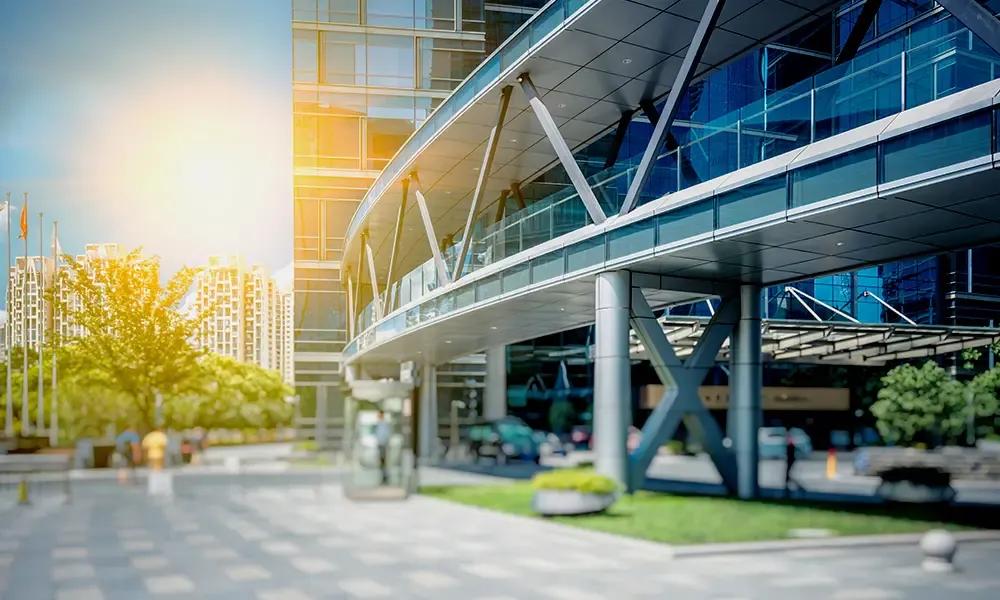
For decades, commercial real estate followed a familiar formula: put offices in one zone, retail in another, and wellness somewhere else, if it existed at all. But in 2026, that separation feels increasingly outdated. People don’t live in neat categories. A typical day might involve focused work, a quick pharmacy run, a coffee meeting, a Pilates class, and a late lunch, all without wanting to fight traffic or waste time commuting between locations.
That’s why hybrid parks are rising fast: modern commercial destinations designed to blend work, wellness, and retail into one cohesive ecosystem. In this blog, we’ll unpack what hybrid parks really are, why the model is accelerating in 2026, and what developers, investors, and occupiers should look for when evaluating these new commercial hubs.
What Are Hybrid Parks?
A hybrid park is a commercial destination that combines three core pillars, work, wellness, and retail, with thoughtful design and programming to make the space function like a daily-life hub.
Unlike traditional business parks that empty after 6 pm, hybrid parks are built to stay active throughout the day and into the evening. Unlike malls that rely heavily on shopping, hybrid parks aim to create repeat visits through multiple reasons to show up.
The three pillars, in simple terms
1) Work: Flexible offices, managed workspaces, coworking, enterprise floors, meeting suites, and collaboration zones.
2) Wellness: Fitness studios, gyms, recovery lounges, medical clinics, therapy/physio, meditation spaces, walking tracks, and green design that reduces stress.
3) Retail + F&B: Convenience retail, pharmacies, cafes, quick-service restaurants, destination dining, lifestyle stores, and service retail like salons or repair.
A hybrid park becomes powerful when these pieces aren’t just “present,” but integrated, so they support each other. Work brings weekday density. Wellness builds routine visits. Retail and food extend dwell time and add after-hours life.
Why Hybrid Parks Are Peaking in 2026
This isn’t a passing design trend. The rise of hybrid parks is being driven by structural shifts in how people work, what companies want from workplaces, and how commercial assets stay valuable.
1) Hybrid work created a new “destination test”
In a hybrid work world, employees aren’t coming to the office because they have to. They’re coming because it’s worth it. That changes everything.
Offices now compete with home comfort, local cafes, and coworking hubs. The most successful commercial spaces in 2026 are the ones that answer the question:
“If I’m leaving home today, what else can I accomplish while I’m out?”
Hybrid parks win because they offer more than desks. They offer a day that feels efficient, enjoyable, and healthy, without adding friction.
2) Wellness moved from perk to expectation
Wellness is no longer a “nice-to-have” gym discount. It’s tied to productivity, retention, and employer branding.
In 2026, top tenants look for:
- Natural light and biophilic design
- Better air quality and thermal comfort
- On-site fitness and recovery options
- Health-forward F&B choices
- Walkable environments that reduce fatigue
Hybrid parks treat wellness as a core infrastructure, not a marketing line. That reduces churn and improves lease stickiness, especially for knowledge-driven industries where talent is the real asset.
3) Retail needs recurring footfall, not occasional visits
Retail has changed too. Pure shopping trips are less frequent in many segments, while convenience + experience categories are growing: cafés, clinics, quick services, fitness, community events, and “third spaces.”
Hybrid parks support retail viability because they generate predictable weekday density from offices and coworking, plus evening/weekend pull through dining, wellness classes, and events.
Instead of relying on one big anchor, the park becomes the anchor.
4) Commercial assets need resilience against single-use risk
Single-use assets can be vulnerable, office-only campuses can empty out, retail-only zones can suffer when demand shifts, and pure coworking buildings face pricing pressure.
Hybrid parks reduce that risk by diversifying demand:
- If office attendance dips, wellness and F&B still drive visits
- If retail shifts, medical and services provide stability
- If one tenant churns, the overall ecosystem still holds value
In investment terms, hybrid parks aim to improve income resilience by building a destination that can flex with changing behaviour.
What Makes a Hybrid Park Work?
Not every mixed-use project automatically becomes a hybrid park. The difference is in the way the campus is designed and operated.
1. Walkability is non-negotiable
If people have to cross huge parking lots or navigate poor pedestrian paths, they won’t use the ecosystem. Hybrid parks depend on short, comfortable walking loops between office, food, and wellness.
Key signals of strong walkability:
- Shaded, wide sidewalks and clear wayfinding
- Safe crossings and low vehicle conflict zones
- Compact blocks with multiple entry points
- A central “spine” street that feels active
A hybrid park should feel like a small urban district, even if it’s outside a city centre.
2) Retail mix should be “daily-life retail,” not just brands
The best retail in a hybrid park isn’t only about premium stores. It’s about what people repeatedly need.
High-performing hybrid retail mixes often include:
- Coffee + grab-and-go breakfast
- Pharmacy/clinic diagnostics
- Healthy lunch concepts + comfort food options
- Convenience retail (essentials, quick purchases)
- Service retail (salon, tailoring, repairs)
- Evening dining and social spaces
The goal is to create repeat reasons to be there, daily, not seasonally.
3) Wellness must be layered, not single-point
A single gym isn’t enough to define wellness. Hybrid parks treat wellness as a layered stack:
- Movement: gyms, studios, outdoor fitness zones
- Recovery: physio, massage, sports therapy, recovery lounges
- Mental wellness: quiet spaces, meditation rooms, stress-reducing design
- Health access: clinics, diagnostics, preventive care
- Nature: green pockets, water features, walking trails
When wellness is layered, it becomes part of routine, which drives reliable footfall.
4) Workspaces should support both focus and community
Hybrid parks succeed when workspaces support different work modes:
- Quiet zones for deep work
- Collaboration areas for teams
- Meeting suites for client visits
- Shared amenity floors for networking
- Outdoor work-friendly seating
If the only “work” offer is conventional office floors, the project loses the hybrid advantage. In 2026, tenants want flexibility, because teams fluctuate and attendance patterns are unpredictable.
The Business Case: Why Developers and Tenants Like Hybrid Parks
Hybrid parks aren’t just a lifestyle idea, they’re a commercial strategy.
For developers and asset owners
Hybrid parks can offer:
- Higher dwell time, which boosts F&B and service retail performance
- Stronger tenant retention, because the ecosystem becomes sticky
- Premium positioning, especially in competitive commercial corridors
- Better activation, keeping the campus alive beyond office hours
- Multiple revenue streams, reducing reliance on one category
For office tenants
Hybrid parks can deliver:
- Better employee experience without building everything in-house
- Easier client hosting (meeting + dining + amenities in one place)
- A stronger “return-to-office” value proposition
- Wellness access that supports retention and productivity
For retail and wellness operators
Hybrid parks provide:
- Built-in weekday footfall from office density
- Higher repeat visits driven by routines (coffee, lunch, fitness)
- A cleaner customer profile and predictable trade area
- Opportunities for partnerships (corporate memberships, offers, events)
Design and Programming: The Secret Sauce in 2026
In 2026, the best hybrid parks are not only designed well, they’re operated well.
That means programming:
- Weekly farmers’ markets or pop-ups
- Community runs, yoga mornings, wellness workshops
- After-work events: music nights, open-air screenings
- Business networking sessions and demo days
- Family-friendly weekend activity zones
Programming gives the park a personality. It turns a commercial space into a community destination, and that’s what creates defensible demand.
What to Look for When Evaluating a Hybrid Park
Whether you’re a tenant, investor, or developer, use this checklist mindset:
- Is it truly walkable, or car-first with scattered amenities?
- Does it have daily-life retail, not just aspirational storefronts?
- Is wellness layered across movement, recovery, mental health, and nature?
- Does the workspace offer flexibility for hybrid teams?
- Is there an activation plan that extends beyond office hours?
- Is the design built for comfort in local climate conditions?
Conclusion
The big shift in 2026 is this: commercial spaces are no longer judged only by location, rentable area, and parking ratios. They’re judged by how well they fit into real life.
Hybrid parks are rising because they solve a modern demand: people want spaces that let them work, take care of their health, and get errands done, without wasting time or energy. For developers and investors, the appeal is resilience and diversified demand. For tenants, it’s employee experience and retention. For retail and wellness brands, it’s routine-driven footfall and better engagement.
In many markets, the question won’t be “Should we build a hybrid park?” It will be:
“How do we make our commercial assets behave like one, so they stay relevant in the next cycle?”