Why Industrial and Logistics Real Estate Is the Smart Play in 2026

10 Oct 2025
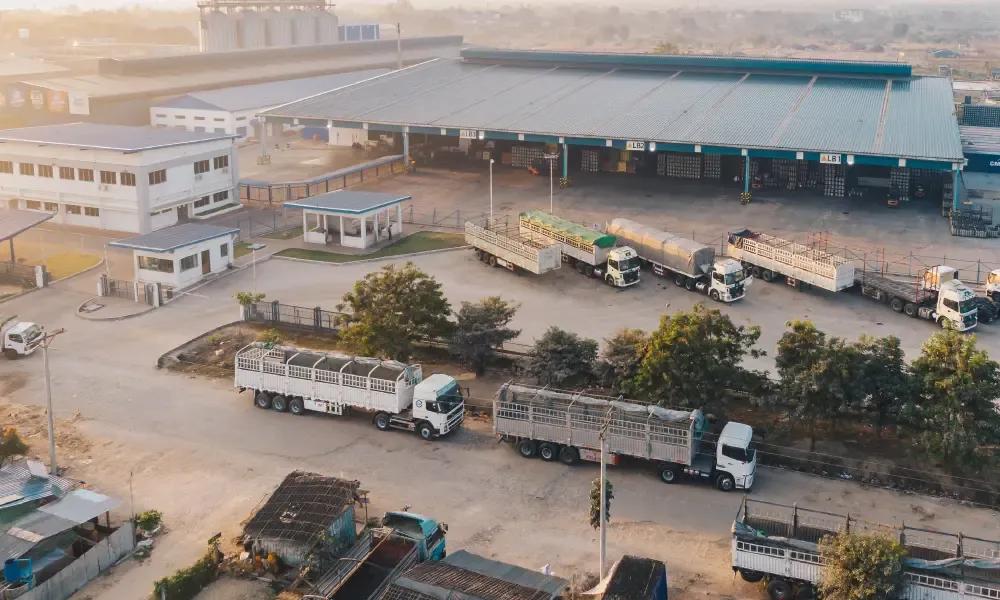
Industrial and logistics real estate has moved into a strong position as we enter 2026. Investors who once focused mainly on offices and retail are now shifting toward warehousing, logistics parks, and manufacturing-led developments. This shift is happening because demand is broad and stable, driven by ecommerce, production growth, and supply chain upgrades. The momentum behind industrial real estate demand 2026 is not temporary. It reflects long-term changes in how businesses move goods, store inventory, and build distribution networks.
Companies want more speed. Consumers expect quicker delivery. Manufacturers want facilities that support modern equipment and automation. All these needs are pushing the industrial and logistics market to expand faster than other real estate categories. For investors, the appeal lies in predictable rental income, low vacancy levels, and the confidence that essential services like warehousing and distribution will always be needed.
Below is a deeper look into the forces shaping the sector and why 2026 is such an important year for this asset class.
Ecommerce and the New Supply Chain Playbook
Ecommerce has been the main driver of ecommerce warehousing growth, and its influence is still increasing. Even after years of expansion, online retailers continue to add fulfilment centres and storage facilities. Faster delivery commitments mean brands need distribution points closer to customers. They no longer rely on one or two large warehouses. They operate multiple locations designed to reduce delivery time by hours, not days.
This shift strengthens logistics real estate trends 2026, especially in metro-edge and tier-two locations. Businesses want well-connected spaces near highways, airports, and high-density neighbourhoods. These locations support quick movement of goods and lower transportation costs.
The rise of quick commerce plays an even bigger role. Delivery promises of 30 minutes or less require a network of micro-warehouses placed inside city clusters. As a result, last-mile delivery real estate is becoming one of the strongest growth categories. These facilities may be smaller than traditional warehouses, but they are critical for time-sensitive operations. Their occupancy stays high, and their lease cycles are long because relocating disrupts the entire distribution chain.
For investors, this means steady demand and better visibility of long-term returns.
Manufacturing Growth and the Rise of Industrial Parks
Manufacturing is undergoing a revival. Companies are expanding production to meet domestic and international demand. Government incentives, improved infrastructure, and favourable trade conditions are encouraging more companies to set up new plants. This is driving fresh interest in manufacturing and industrial parks.
These parks offer large parcels of land, modern utilities, and layouts that support heavy movement and high load operations. Occupiers prefer them because they can expand over time without relocating. Many parks also combine production units with warehousing, which creates operational efficiency. For investors, this mixed-use model increases stability because it attracts diverse tenants.
Pre-leasing activity in industrial corridors shows how strong the trend is. Many companies secure space before construction even begins. This reflects confidence in the market and reinforces the strength of industrial real estate demand 2026.
The Shift to Grade A Warehousing
A clear preference is emerging in the market. Occupiers want modern, well-designed, compliant buildings. This is pushing up Grade A warehouse demand while older facilities experience slower absorption. Grade A spaces offer advantages like better floor load capacity, wider column spacing, more efficient racking potential, and safer working conditions.
Older warehouses fall short when companies adopt new processes. They often lack height, flooring strength, and docking infrastructure. Upgrading them is expensive and not always feasible. As a result, newer facilities command higher rents and attract long-term tenants who depend on efficient operations.
Investors who focus on Grade A assets often enjoy stronger yields and lower vacancy because demand remains consistent across ecommerce, FMCG, automotive, pharma, and 3PL service providers.
Automation Is Reshaping How Facilities Are Designed
Automation has become a key part of modern logistics. Robots, automated picking systems, conveyor networks, and intelligent sorting tools are now common in large fulfilment centres. This shift accelerates automation in logistics facilities, and buildings must evolve to support it.
Automation changes the physical requirements of a warehouse. Companies want higher ceilings for multi-level racking. They need smooth, durable floors that handle heavy loads. They expect power backups, cable management, and safety features that match automated systems.
Facilities that meet these needs offer better operational efficiency, which makes them more attractive to long-term tenants. Investors benefit because automated operators tend to stay longer, invest more in interior fit-outs, and prefer multi-year lease commitments.
Sustainability Is Now a Standard Requirement
Tenants today take sustainability seriously. It reduces costs and supports environmental goals. That is why sustainable industrial development is becoming the expected standard for new projects.
Energy-efficient lighting, solar power, rainwater harvesting, smart HVAC systems, and water recycling are common features in modern parks. These upgrades help tenants save money on utilities and reduce environmental impact. They also improve the value of the property over time.
Industrial buildings consume significant power, especially when automation and cold storage are involved. Developers who offer sustainable features differentiate their spaces and attract higher-quality occupiers. Investors benefit from lower operating costs and improved long-term competitiveness.
Low Supply, Strong Demand, and Predictable Rental Growth
One of the strongest reasons investors favour this sector is the supply situation. Many cities face constraints in land availability, zoning, and logistics infrastructure. These challenges limit new development and create a supply gap. When strong absorption meets limited inventory, values rise.
This pattern drives warehouse rental growth trends in key corridors. Occupiers are willing to pay premium rents for well-located, modern facilities because moving operations is expensive and disruptive.
Industrial assets tend to have lower vacancy than other commercial categories. Lease cycles are longer, and turnover is lower because tenants depend on their logistics network for day-to-day operations. This combination increases income stability and reduces risk.
Why Industrial and Logistics Real Estate Stands Out in 2026
Investors want real estate that offers both stability and growth. Industrial and logistics properties deliver on both fronts. The combination of ecommerce expansion, manufacturing revival, and supply chain modernization makes the sector stronger than ever.
Here are the key reasons it remains the smartest play in 2026:
- Strong demand across sectors.
Ecommerce, FMCG, automotive, pharmaceuticals, and 3PL operators all need space. This broad tenant base reduces dependence on any single industry. - Long-term leases.
Relocating a warehouse disrupts operations. Tenants prefer longer commitments, which gives investors clearer income visibility. - Better rental appreciation.
With demand rising faster than supply, rents are expected to rise steadily across major corridors. - Lower vacancy risk.
Essential services like storage, delivery, and manufacturing do not slow down during economic shifts. - Higher yield potential.
Compared to many commercial asset classes, industrial properties often deliver stronger annual yields. - Strong future pipeline.
Automation, infrastructure investment, and supply chain relocation trends will continue to support the sector for years. - Investor confidence.
Institutional investors, global funds, and private equity firms are continuing to increase their exposure. This strengthens liquidity and market stability.
When you put these factors together, industrial and logistics real estate offers a balanced mix of security and growth potential that few other sectors can match in 2026. Whether you are building a new portfolio or diversifying an existing one, this is an asset class worth serious consideration. FAQs
Why is industrial real estate demand rising in 2026?
Demand is increasing because ecommerce, manufacturing, and supply chain upgrades require more modern warehouses and logistics hubs. Companies want faster delivery, better storage, and efficient distribution, which keeps the segment active and stable. Many businesses are also upgrading older facilities, adding even more pressure on supply in key markets.
Is logistics real estate a safe investment in 2026?
Yes. It offers predictable rental income, long leases, and lower vacancy risk. Demand drivers like online retail and domestic production support consistent performance even during market fluctuations. Investors also benefit from strong tenant retention, stable yields, and growing institutional interest in the sector.
What makes Grade A warehouses more attractive?
They offer better infrastructure, higher load capacity, improved safety, and layouts suitable for automation. Tenants prefer these spaces because they enable smoother operations and lower long-term costs. Their modern design also supports advanced inventory systems, better compliance standards, and efficient goods movement, which boosts overall productivity.
How does automation influence warehouse design?
Automation requires higher ceilings, stronger flooring, wider aisles, and clear internal layouts. Facilities that meet these standards are in higher demand and command better rents. Automated systems also need reliable power, smart connectivity, and flexible planning so operators can scale their systems as their distribution needs grow.
Are sustainable industrial buildings getting more traction?
Yes. Companies want to reduce operating expenses and meet ESG goals. Energy-efficient and environmentally responsible facilities are becoming a top priority. Green-certified spaces also help occupiers improve compliance and lower long-term costs, while giving investors assets that stay competitive as sustainability standards evolve.
Which locations are seeing strong logistics growth in 2026?
Logistics corridors, industrial townships, port cities, and highways with strong connectivity are seeing high absorption. Tier-two cities are also gaining traction as distribution patterns evolve. Access to skilled labour, upgraded highway networks, and new manufacturing clusters make these regions even more appealing for long-term occupiers.
What type of tenants occupy these facilities?
Ecommerce players, FMCG companies, manufacturing units, 3PL operators, automotive suppliers, and cold-chain businesses are major occupiers, creating a diverse and stable tenant base. This mix reduces leasing risk and supports consistent activity, even when one sector slows, because demand comes from multiple industries at the same time. Is now a good time to invest in industrial parks?
Yes. Leasing momentum, stable yields, and strong market fundamentals make 2026 a favourable year for investors looking for long-term performance. Rising demand for modern, compliant spaces supports better appreciation and reduced vacancy risk, especially in corridors with strong manufacturing activity and strong tenant absorption.