Kakkanad’s Next Big Leap: The Metro Expansion Story

18 May 2026
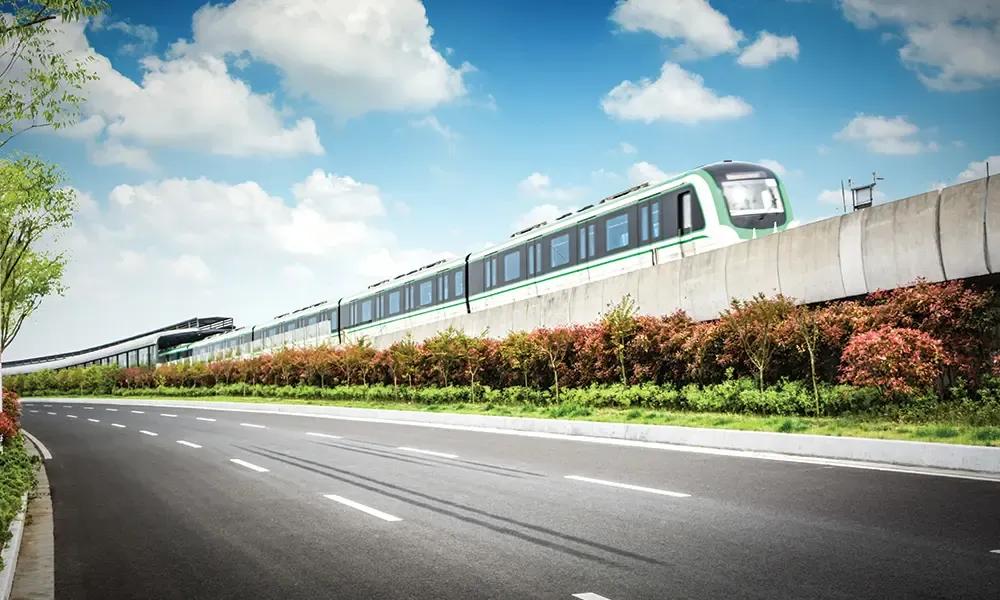
Ask anyone who has lived or worked in Kakkanad about their biggest quality-of-life challenge, and the answer comes back quickly: traffic. The area's growth as a tech hub brought tens of thousands of daily commuters onto roads that weren't originally built to handle that kind of volume. Morning and evening peak hours on key stretches like Seaport-Airport Road and the road through Thrikkakara became a predictable source of frustration.
Which is why the planned extension of the Kochi Metro toward the Kakkanad-InfoPark corridor is one of the most significant infrastructure developments in this part of Kerala. It's not just about moving people faster. Metro connectivity, wherever it arrives, tends to reshape everything around it, property values, commercial activity, population density, and investor sentiment.
Let's look at what's happening, what it means on the ground, and why this matters for anyone thinking about property in this part of Kochi.
Where the Kochi Metro Stands Today
The Kochi Metro Rail Limited (KMRL) has established itself as one of India's better-run urban rail projects since its first phase began operations. The existing network has already demonstrated its ability to shift commuting habits meaningfully in the corridors it serves. Ridership has grown steadily, and the system has earned reasonable marks for reliability and passenger experience.
The extension toward Kakkanad and the IT park corridor is part of a broader expansion plan that reflects the obvious logic of connecting the city's most significant employment cluster to its mass transit spine. The alignment broadly tracks the Seaport-Airport Road corridor, which is the primary arterial road connecting central Ernakulam to Kakkanad. Proposed stations along this stretch will, when operational, put a large section of InfoPark and its surrounding neighbourhoods within comfortable walking distance of metro access.
This is not a distant aspiration. It is an active infrastructure project with funding committed and detailed planning substantially advanced. The timeline has seen some revisions, as infrastructure projects typically do, but the direction is clear and the endpoint certain.
What Metro Connectivity Does to Property Markets
The relationship between mass transit and real estate values is one of the most consistently documented patterns in urban economics globally. Cities from Tokyo to Toronto to Mumbai show the same basic pattern: property values in areas well-served by rapid transit tend to outperform comparable areas that rely exclusively on road transport.
Why? Because metro access changes the fundamental calculation people make about where to live. When you can reliably get from your apartment to your office without sitting in traffic, or from your home to the hospital or airport without worrying about parking, you can live further from these destinations than you might otherwise choose. This radius expansion increases the effective supply of desirable residential locations, but not equally. Areas directly served by stations see the strongest lift, while areas that remain purely road-dependent fall back.
In the Indian context, this effect is amplified by the severity of road traffic in growing cities. The relief that metro access provides isn't a marginal convenience, it can represent an hour or more recovered from daily life. That's real value, and buyers and tenants pay for it.
How Kakkanad is Already Responding
The interesting thing about the Kakkanad metro story is that the market isn't waiting for trains to run. Developers, investors, and buyers who understand how transit-oriented development works are positioning themselves ahead of the actual opening. This is historically normal, the biggest price appreciation in metro corridors typically happens in the years before and immediately after the project becomes operational, not a decade after.
Property listings in Kakkanad and surrounding areas like Thrikkakara, Pukkattupady, and Chottanikkara Road have been increasingly using metro proximity as a selling point. Developers are designing projects with an eye on station catchment areas. And investors who might previously have focused on central Ernakulam are looking at this corridor with genuine interest.
The commercial real estate market is showing similar anticipation. Businesses that rely on footfall, retail, food and beverage, personal services, look at metro corridors the way earlier generations of entrepreneurs looked at highway junctions. A station creates a daily concentration of high-income, mobile consumers. That's commercially valuable, and the planning for it is already underway along key stretches of the proposed alignment.
The Specific Impact on Residential Property
For homebuyers, the metro extension creates a few distinct scenarios worth thinking through carefully.
If you're an IT professional working in InfoPark or SmartCity, metro access essentially increases the number of neighbourhoods you can reasonably consider for living. Today, proximity to work is a strong determinant of where people buy, the traffic situation makes living far from work genuinely difficult. Metro access would allow someone to live in, say, Marine Drive or Panampilly Nagar and commute to Kakkanad comfortably. Conversely, someone living in Kakkanad would find central Kochi more accessible.
This cross-connectivity effect is often underappreciated. The metro doesn't just help people get to work. It connects an entire city more fluidly, which tends to increase overall economic activity and improve quality of life in ways that are diffuse but real.
For buyers specifically looking at Kakkanad, the metro extension adds a layer of confidence to the investment case. Areas with improving infrastructure credentials tend to attract a broader and better-resourced pool of tenants and buyers, which supports both rental yields and resale values over time.
Commercial Real Estate and Business Activity
Kakkanad's commercial real estate story has until now been largely driven by the IT parks, large campus-style developments that function almost as self-contained economic ecosystems. What the metro extension is likely to add is a different kind of commercial activity: the street-level retail and hospitality layer that brings genuine urban character to a place.
Metro stations, wherever they land, become anchors for mixed-use development. Ground-floor retail, cafes, pharmacies, convenience stores, and service businesses cluster around station exits because that's where the foot traffic is. Over time, this accumulates into the kind of neighbourhood amenity mix that makes an area genuinely attractive to live in, not just to work in.
For investors in commercial space, the Kakkanad metro corridor represents an opportunity to position ahead of this retail and hospitality development cycle. As with residential, the smart money tends to move early, before the stations open and the casual awareness of value catches up.
Final Take
The metro expansion doesn't exist in isolation. It's layered on top of other infrastructure improvements that have been reshaping Kakkanad's connectivity over the past decade, the Seaport-Airport Road widening, flyover construction at key junctions, improved bus connectivity, and the ongoing development of internal road networks within the IT parks themselves.
Together, these create a compound effect. No single infrastructure investment transforms an area overnight. But consistent, layered improvement over a decade or more, better roads, then better public transport, then better civic amenities, produces places that people genuinely want to be in. Kakkanad has been the beneficiary of exactly this kind of sustained investment, and the metro is the capstone on what has been a deliberate effort to make this corridor work as a modern urban district.
For the long-term property owner, understanding this trajectory is arguably more important than obsessing over near-term price movements. Areas with a clear infrastructure development roadmap, strong employment anchors, and improving liveability credentials tend to reward patient investors reliably.
Read this blog to know what Kakkanad has for working professionals.
Frequently Asked Questions
When will the Kochi Metro reach Kakkanad and InfoPark?
The metro extension toward the Kakkanad-InfoPark corridor is an active infrastructure project with approvals and planning substantially advanced. Specific operational timelines have been subject to revision as with most infrastructure projects of this scale, so it is advisable to check with KMRL or official Kerala government sources for the current status. The direction and commitment of the project are not in question.
Will metro connectivity significantly improve property values in Kakkanad?
Based on patterns observed in other Indian cities and globally, metro connectivity tends to support sustained property value appreciation in served corridors. In Kakkanad's case, the existing IT employment base provides a strong underlying demand that metro access will amplify. Properties closer to proposed stations are typically expected to benefit more directly. However, property investment always involves multiple factors and individual due diligence is essential.
Which areas near Kakkanad will benefit most from the metro extension?
Areas along the proposed Seaport-Airport Road alignment, including parts of Thrikkakara, Pukkattupady, Petta, and the immediate InfoPark vicinity, are expected to see the most direct impact. Exact catchment areas depend on the final station locations, which are best verified through official project documentation.
Is it a good time to invest in Kakkanad before the metro becomes operational?
Many analysts of transit-oriented development note that the strongest returns often come to investors who position themselves before rather than after metro operations begin. However, this involves accepting the risk that timelines can shift. Balancing near-term opportunity with a realistic assessment of the timeline is essential. Consulting with a property advisor who understands the local market is recommended.
How will the metro affect daily commuters in Kakkanad?
For the tens of thousands of IT professionals who currently commute to InfoPark and SmartCity by road, metro access will represent a significant quality-of-life improvement. It will reduce dependence on personal vehicles, cut commute times on the metro-served route, and reduce the stress associated with peak-hour traffic on Seaport-Airport Road and connecting roads.
Will metro connectivity attract more businesses to Kakkanad?
Metro access is a significant locational advantage for businesses that rely on attracting talent from across the city. It removes a key friction, the traffic commute, that can deter potential employees from considering Kakkanad-based roles. This is likely to make the corridor more attractive for companies evaluating new or expanded presence in Kochi.