Why Kerala’s Relationship with Community Still Feels Special

22 Jun 2026
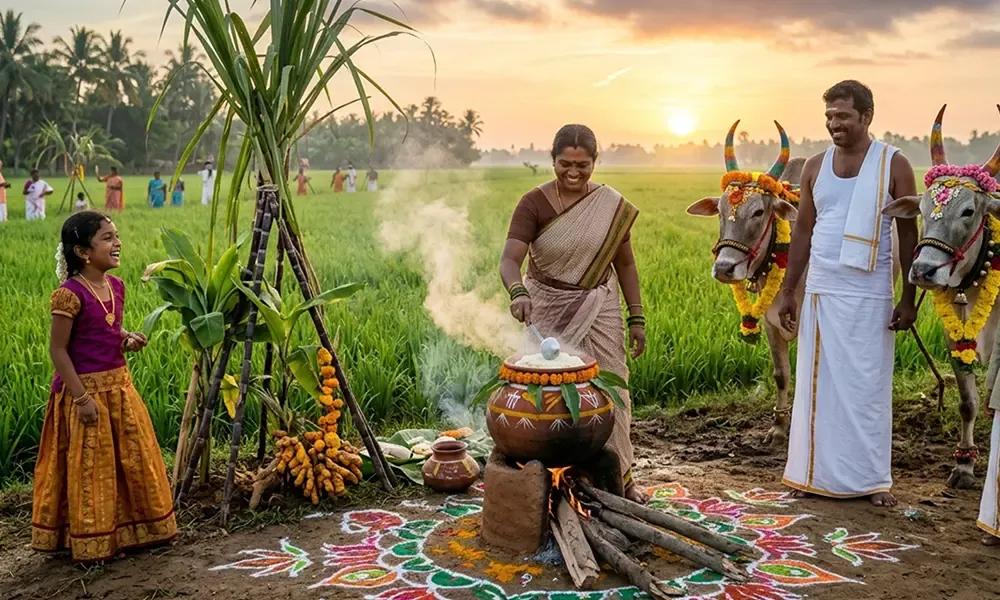
Why Kerala’s Relationship with Community Still Feels Special
Kerala has changed rapidly over the last few decades. Cities have expanded, apartment living has grown, careers have become more mobile, and families are increasingly spread across countries and continents. Yet one part of life continues to feel remarkably familiar: the importance of community.
In Kerala, community is not limited to knowing the people next door. It is built through shared routines, local celebrations, family connections, religious and cultural spaces, neighbourhood support, and the habit of showing up when someone needs help. Even as lifestyles become more private and urban, the idea that life is lived alongside others remains deeply rooted.
This does not mean every neighbourhood is perfect or that community life has remained unchanged. The way people connect today is different from how earlier generations did. Traditional neighbourhoods have given way to apartment associations, residents’ groups, digital communities, and professional networks. But the underlying need for belonging remains strong.
What makes Kerala’s relationship with community special is not simply closeness. It is the way social connection becomes part of everyday life.
Community Begins with Familiarity
In many places, neighbours may live beside each other for years without forming a meaningful relationship. In Kerala, familiarity often develops naturally through daily interaction.
People notice when a new family moves in. They know who leaves for work early, whose children are studying abroad, and which elderly resident may need extra support. A brief conversation at the gate, local shop, temple, mosque, church, bus stop, or apartment lift gradually builds recognition.
These interactions may appear small, but they form the foundation of trust. When people know one another, they are more likely to help during illness, emergencies, celebrations, or difficult periods.
Community is therefore not always created through planned events. It often begins through ordinary repetition. Seeing the same people every day creates a sense of shared life.
Neighbourhoods Function as Informal Support Systems
One of the strongest features of community life in Kerala is the informal support network that exists around families.
If someone is unwell, neighbours often check in. If a family needs help during a ceremony or emergency, people step forward. Elderly residents may receive assistance with errands, hospital visits, or daily tasks. Parents often rely on familiar neighbours to keep an eye on children playing outside.
This kind of support is difficult to measure, but it has real value. It reduces isolation and gives people a sense that they are not managing life entirely on their own.
For families living away from extended relatives, neighbours can become a second support system. In apartment communities, this may take the form of shared childcare arrangements, carpooling, emergency contact groups, or help with household needs.
Kerala’s community culture works because support is often treated as a normal part of living together rather than an exceptional act.
Festivals Strengthen the Sense of Belonging
Festivals in Kerala are rarely private experiences. Whether it is Onam, Vishu, Christmas, Eid, temple festivals, church feasts, or local cultural events, celebrations often extend beyond individual households.
Onam is one of the clearest examples. It brings together families, schools, offices, neighbourhoods, and residential communities. Pookalams, games, group meals, cultural performances, and shared preparation create a collective atmosphere.
The importance of such events goes beyond celebration. They provide a reason for people of different ages and backgrounds to spend time together. Children learn traditions through participation. New residents become part of the community. Older people remain connected to social life.
In modern apartment developments, festivals often act as the main bridge between residents. People who may only exchange greetings during the year come together to organise events, cook, decorate, and celebrate.
These shared experiences create memories, and memories strengthen belonging.
Food is a Powerful Community Language
Food plays a central role in Kerala’s social life. It is shared during celebrations, offered to visitors, exchanged between neighbours, and prepared collectively during festivals and ceremonies.
A new dish may be sent to the next house. Homemade snacks are shared during religious occasions. Families contribute food during community events. Weddings and local gatherings become occasions where people connect over meals.
Food creates an easy form of generosity. It allows people to show care without needing elaborate words.
Even in cities, this habit continues. Apartment residents may exchange festive dishes, organise potlucks, or share recommendations for local food services. Community kitchens and collective cooking efforts often emerge during crises or special occasions.
In Kerala, food does more than bring people to the same table. It helps maintain relationships.
Family Networks Extend Beyond the Household
Kerala’s idea of family often extends beyond the immediate household. Cousins, grandparents, in-laws, family friends, and long-standing neighbours may all remain part of regular life.
Even when people move away for work or study, these networks continue through phone calls, visits, family groups, and shared responsibilities. Major decisions are often discussed collectively. Celebrations bring extended families together. Support during illness, marriage, education, or financial difficulty may come from a wide circle.
This extended sense of family influences residential choices as well. Many buyers look for homes that can accommodate visiting parents or relatives. Proximity to family remains important, even when professional life is based elsewhere.
The modern Malayali household may be smaller, but it often exists within a much larger emotional network.
Religious and Cultural Spaces Build Social Connection
Temples, churches, mosques, community halls, libraries, clubs, and local associations play an important role in bringing people together.
These spaces are not only centres of worship or formal activity. They often support education, charity, cultural programmes, healthcare drives, and community discussions. They create opportunities for people to meet outside their immediate family circles.
Local arts, music, theatre, reading groups, and sports clubs also strengthen social bonds. Kerala’s strong tradition of local associations has helped communities organise around shared interests and responsibilities.
In many neighbourhoods, these institutions become points of continuity. Families may move, lifestyles may change, but the local cultural or religious space remains a familiar anchor.
Public Participation is Part of Everyday Life
Kerala has a strong culture of public discussion. People engage with local issues, politics, education, healthcare, and civic concerns with unusual energy.
This participation can be seen in residents’ meetings, neighbourhood associations, local committees, and public conversations. People are often willing to express opinions about roads, waste management, water supply, public transport, or development plans.
At times, this can make community life feel intense. Decisions may involve long debates and differing viewpoints. But it also means people feel responsible for what happens around them.
A neighbourhood is not treated merely as a place to sleep. It is a shared environment that residents expect to influence and improve.
This culture of participation helps explain why community remains important even in increasingly urban settings.
The Kerala Model of Community Includes Care Across Generations
Another distinctive feature is the relationship between age groups. Children, working adults, and senior citizens often remain part of the same social environment.
Older residents may play a visible role in family life, local organisations, religious activities, or neighbourhood events. Children grow up interacting with adults beyond their parents. Young professionals remain connected to older relatives and community members.
This intergenerational contact creates continuity. Traditions, stories, recipes, local knowledge, and family history are passed down through regular interaction.
Modern life can create distance between generations, especially when young people migrate. Yet Kerala’s social structure continues to make space for these connections. Technology has also helped families remain involved despite physical distance.
In apartment communities, shared gardens, walking spaces, play areas, and common rooms can encourage interaction across age groups. Good residential design can therefore support the social patterns Kerala already values.
Migration Has Changed Community, Not Weakened it
Kerala has one of India’s most globally connected populations. Generations of Malayalis have moved to the Gulf, Europe, North America, Australia, and other parts of India.
At first glance, this level of migration might appear to weaken local community ties. In reality, it has transformed them.
People living abroad remain connected to their hometowns through family, property, festivals, local organisations, and financial support. Many return regularly or plan their long-term future in Kerala. Community relationships continue through digital platforms, video calls, and online groups.
Migration has also introduced new ideas about housing, education, healthcare, and lifestyle. These influences have changed communities while preserving emotional ties to home.
For many Malayalis, community is not defined only by where they currently live. It includes the place they come from, and the people connected to it.
Apartment Living is Creating New Forms of Community
As Kerala urbanises, more people are moving into apartment complexes and gated communities. This changes the physical setting of community life but does not eliminate it.
In traditional neighbourhoods, relationships may develop across compound walls, local roads, or shared courtyards. In apartment living, they form through lifts, corridors, clubhouses, children’s play areas, walking paths, and residents’ associations.
Digital groups help residents coordinate maintenance, security, celebrations, and emergencies. Community events bring together people from different districts, professions, and backgrounds.
This creates a new kind of neighbourhood. It may be less rooted in shared family history, but it can still become emotionally meaningful.
The quality of these communities often depends on how well the spaces are designed. Places that encourage casual interaction tend to feel more connected. A shaded seating area, walking trail, play zone, or common hall can become the setting for everyday relationships.
Community Offers Emotional Security
One of the deepest reasons communities remains important is emotional security. Knowing that people recognise you, care about your wellbeing, and share parts of your life creates a sense of stability.
This is particularly important for children, senior citizens, and people living away from family. Community reduces the feeling of anonymity that can come with urban life.
It also gives people a sense of identity. They are not only individuals living in separate homes. They are part of a neighbourhood, association, cultural group, or shared history.
This sense of belonging does not require constant closeness. Healthy community life allows privacy while keeping connection available.
That balance is becoming increasingly important in modern Kerala.
The Challenges of Community Life
Community can also come with challenges. Close social networks may sometimes feel intrusive. People may feel watched, judged, or pressured to conform. Privacy can become difficult when everyone knows everyone else’s business.
Younger generations often seek greater independence and clearer boundaries. Urban lifestyles also leave less time for regular social interaction.
The future of community in Kerala will depend on balancing closeness with respect for personal space. People want support without interference and connection without obligation.
Modern residential communities are already negotiating this balance. Participation is often more flexible. Residents can join events, groups, or activities based on interest rather than expectation.
Community does not need to disappear for privacy to grow. It simply needs to become more thoughtful.
Why It Still Feels Different
Kerala’s relationship with community feels special because connection is woven into many parts of life. It appears in the way food is shared, festivals are celebrated, neighbours respond to emergencies, families remain connected across distances, and residents take interest in local issues.
It is not based on one tradition or institution. It is supported by many overlapping networks.
A person may belong to a family network, residents’ association, workplace group, religious community, cultural organisation, and digital neighbourhood group at the same time. These layers make social life resilient.
Even when one form of connection weakens, another can take its place.
The Future of Community in Kerala
Kerala’s communities will continue to change. Smaller households, urban migration, digital work, and global mobility will reshape how people interact.
However, the need for belonging is unlikely to disappear. In fact, as life becomes more mobile and individualised, community may become even more valuable.
Future neighbourhoods will need spaces that make connection easy without making it compulsory.
Residential planning will have to consider children, senior citizens, working professionals, and families with different lifestyles.
Community will increasingly be created through shared experiences rather than only shared history. People may not have grown up together, but they can still build trust through daily interaction.
This is where Kerala has a natural advantage. The culture already understands that a good life is not built only inside the home. It also depends on the relationships around it.
Conclusion
Kerala’s relationship with community still feels special because it is practical, emotional, and deeply embedded in everyday life. It appears during festivals and emergencies, in shared meals and neighbourhood conversations, and in the way, families remain connected across generations and
borders.
The form of community is changing. Traditional neighbourhoods are being joined by apartment associations, digital groups, professional networks, and globally connected families. Yet the underlying values remain familiar: care, participation, shared responsibility, and belonging.
As Kerala becomes more urban and globally connected, its strongest communities will be those that respect privacy while preserving connection. They will allow people to live independently without feeling isolated.
That balance between personal space and collective care is what continues to make community life in Kerala feel distinctive.