Ready-to-Move vs. Under-Construction Apartments: Which Is Right for You?

03 Oct 2025
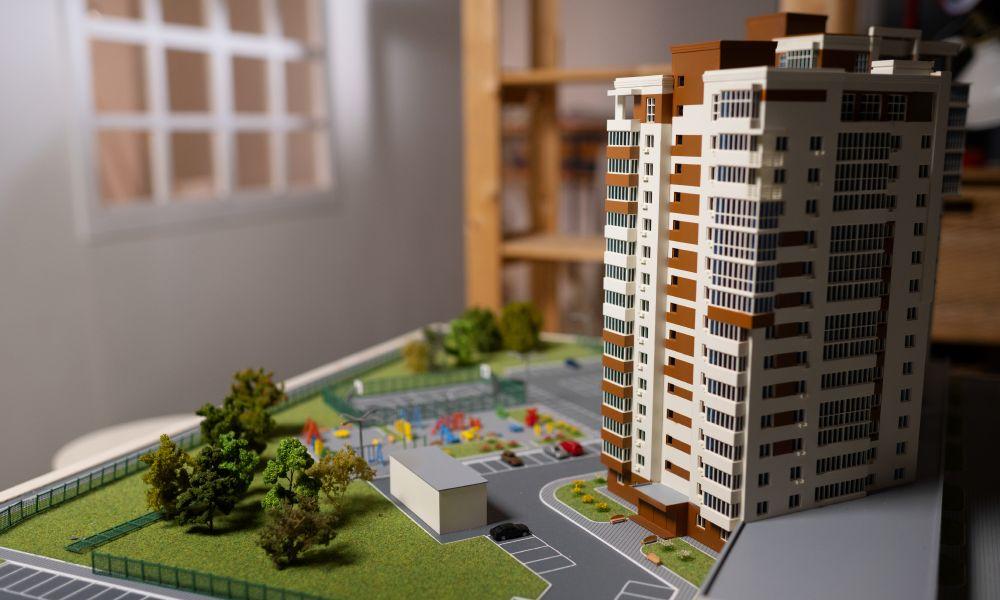
For most homebuyers, the toughest decision isn’t always the location or the builder, it’s whether to go for a ready-to-move flat or invest in an under-construction project. Both options come with their own benefits and challenges.
Understanding the ready to move vs under construction flats debate is essential before committing to what will likely be one of the biggest financial decisions of your life.
What is a Ready-to-Move Apartment? Pros & Cons
A ready-to-move (RTM) apartment is one where construction is complete, possession is immediate, and you can move in right away.
Pros – Benefits of Ready to Move Homes:
- No waiting period, possession is instant.
- You can physically inspect the flat and society before buying.
- No GST is applicable, reducing costs.
- Immediate rental income potential if you don’t plan to live there.
Cons:
- Higher upfront costs compared to under-construction flats.
- Limited choice of floor plans and inventory, since most units are already sold.
- Older ready homes may lack modern designs or latest smart features.
What is an Under-Construction Apartment? Pros & Cons
An under-construction property is one that is still being built, with possession promised at a future date.
Pros – Why some buyers prefer them:
- Lower initial pricing compared to ready homes.
- More flexible payment schedules (linked to construction progress).
- Greater choice in terms of floor plan, orientation, and customization.
- Potential for property value appreciation by the time construction finishes.
Cons – The risks to watch out for:
- Project delays can stretch property possession timelines.
- GST of 5% applies, adding to cost.
- You only see sample flats, not the final delivered product.
- Investment is locked in for years before use or rental income.
Budget Comparisons & Payment Schedules
One of the biggest differences between ready-to-move and under-construction flats is how payments are structured.
- Ready-to-Move Flats: Require immediate payment of the entire property price, along with stamp duty, registration, and other upfront charges. This can be financially heavy for buyers without large savings.
- Under-Construction Flats: Payments are staggered in phases linked to construction milestones (for example, 20% at booking, 10% at foundation, and so on). This offers breathing room for buyers relying on home loans or staggered income.
Budget-wise, under-construction flats appear cheaper initially, but ready-to-move options eliminate ongoing rent plus EMI situations. The right choice depends on cash flow comfort.
Legal & Possession Risk Analysis
The legal landscape differs sharply between the two options.
- Ready-to-Move: Legal risks are lower since approvals, occupancy certificates, and completion status can be verified upfront. Possession is immediate, reducing uncertainty.
- Under-Construction: Higher risk of delays, regulatory hurdles, or even stalled projects if the builder struggles financially. While RERA has reduced such risks, buyers still face the possibility of extended wait times.
For risk-averse buyers, ready-to-move flats provide peace of mind. Those with higher risk tolerance may still opt for under-construction if the price gap justifies it.
Lifestyle Readiness & Family Needs
A major factor often overlooked is lifestyle readiness.
- Families with children, elderly parents, or immediate housing needs benefit from ready-to-move homes, as they provide stability right away.
- Under-construction flats are more suited to buyers who don’t have immediate move-in needs or are willing to wait a few years to benefit from new-age designs, layouts, and modern amenities.
Ultimately, the urgency of possession plays a critical role in this decision.
Which is Better for Investors?
From an investment perspective, both options have different appeal:
- Ready-to-Move: Offers immediate rental yield as the flat can be leased out from day one. Appreciation is typically slower since much of the value is already built in.
- Under-Construction: Offers potential for higher appreciation by the time of delivery, provided the location and developer are strong. The risk of delays, though, makes it less liquid in the short term.
Investors with a long-term horizon may benefit more from under-construction flats, while those seeking regular income flow should lean toward ready-to-move options.
Conclusion
There’s no universal winner in the ready to move vs under construction flats debate. The right choice depends on your budget, urgency of need, and appetite for risk. If you want certainty, immediate possession, and peace of mind, ready-to-move homes are the safer bet. If you’re willing to wait, take on some risk, and benefit from lower entry costs, under-construction properties can deliver strong returns.
The key is to align your choice with personal priorities, be it lifestyle needs, financial flexibility, or investment goals.
FAQs
1. What are the main benefits of ready-to-move homes?
Immediate possession, no GST, and assurance of exactly what you’re buying make them a safe choice.
2. What are the major pros and cons of under-construction flats?
Pros include lower entry cost and flexible payment. Cons include GST charges, project delays, and uncertain possession timelines.
3. Which option is better for investors?
Under-construction flats may deliver higher appreciation, while ready-to-move homes offer immediate rental yield.
4. Do property possession timelines differ significantly?
Yes. Ready homes have no waiting period, while under-construction flats may take 2–5 years depending on the project.
5. How should buyers decide between the two?
Evaluate your urgency, financial situation, and risk appetite before choosing. Families needing immediate housing should prefer ready-to-move, while long-term investors may prefer under-construction.