Sustainable Homes: Which Green Features Boost Resale Value in 2026?

20 Nov 2025
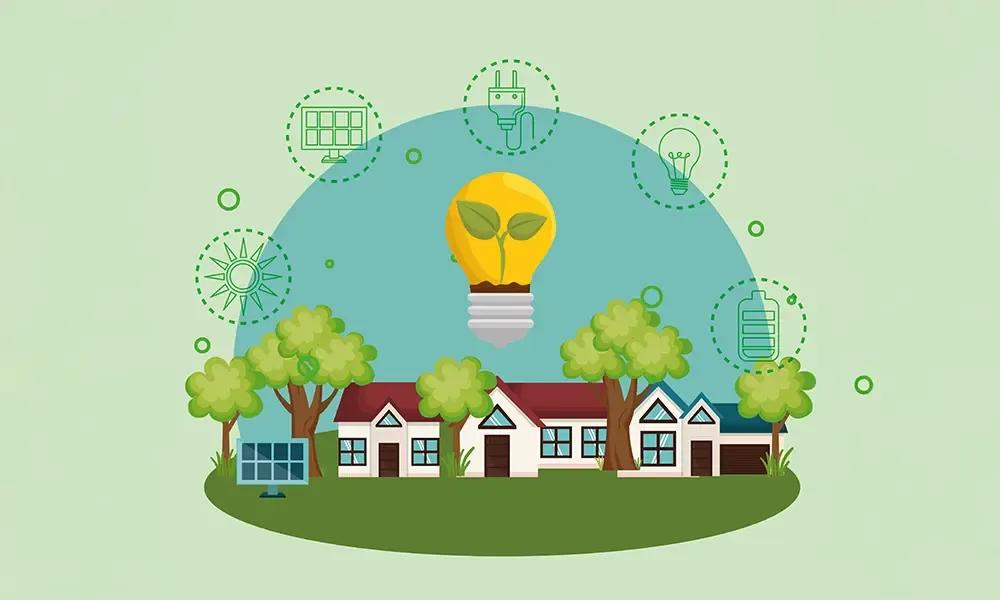
Sustainability is no longer a feel-good add-on in housing. By 2026, it has become a clear value driver. Buyers today are asking sharper questions. How much will this home cost to run? Will it stay relevant over the next decade? Can it attract tenants or future buyers easily?
This shift is reshaping sustainable homes resale value in 2026, especially in urban India. Green features are now linked directly to lower operating costs, stronger demand, and better long-term pricing power. Not every “eco” label delivers the same impact though. Some features meaningfully boost resale value. Others sound good on brochures but matter less to buyers.
This guide breaks down the green building features buyers prefer, explains why they matter financially, and helps you understand what actually supports eco friendly homes investment decisions in today’s market.
Why resale value is driving the sustainability conversation
Earlier, sustainability focused mainly on environmental impact. In 2026, the conversation is far more practical.
Buyers are comparing homes based on:
- Monthly electricity and water bills
- Long-term maintenance costs
- Comfort during heatwaves and power cuts
- Future regulations and energy norms
- Resale and rental demand
As cities grow denser and utilities get costlier, energy efficient homes resale and low maintenance green homes are consistently outperforming conventional properties. This is especially visible in mid-premium and premium segments, where buyers think in 10 to 20 year horizons.
Sustainable housing benefits are now tangible, measurable, and easier to explain during resale.
Energy efficiency: the strongest resale multiplier
If there is one green feature that consistently boosts resale value, it is energy efficiency.
Homes that reduce power consumption without sacrificing comfort attract both end users and investors. In resale conversations, this becomes a hard financial argument, not a lifestyle pitch.
Key energy-efficient features buyers value:
- High-performance insulation and wall systems
- Energy-efficient windows that reduce heat gain
- LED lighting across common areas and homes
- Smart meters and energy monitoring systems
- Efficient elevators and common-area lighting
In Indian cities, cooling accounts for a large share of household electricity use. Homes designed to stay cooler naturally have a clear edge. Buyers understand that lower monthly bills compound into real savings over time, which directly supports green homes resale value.
Solar powered residential buildings: from bonus to baseline
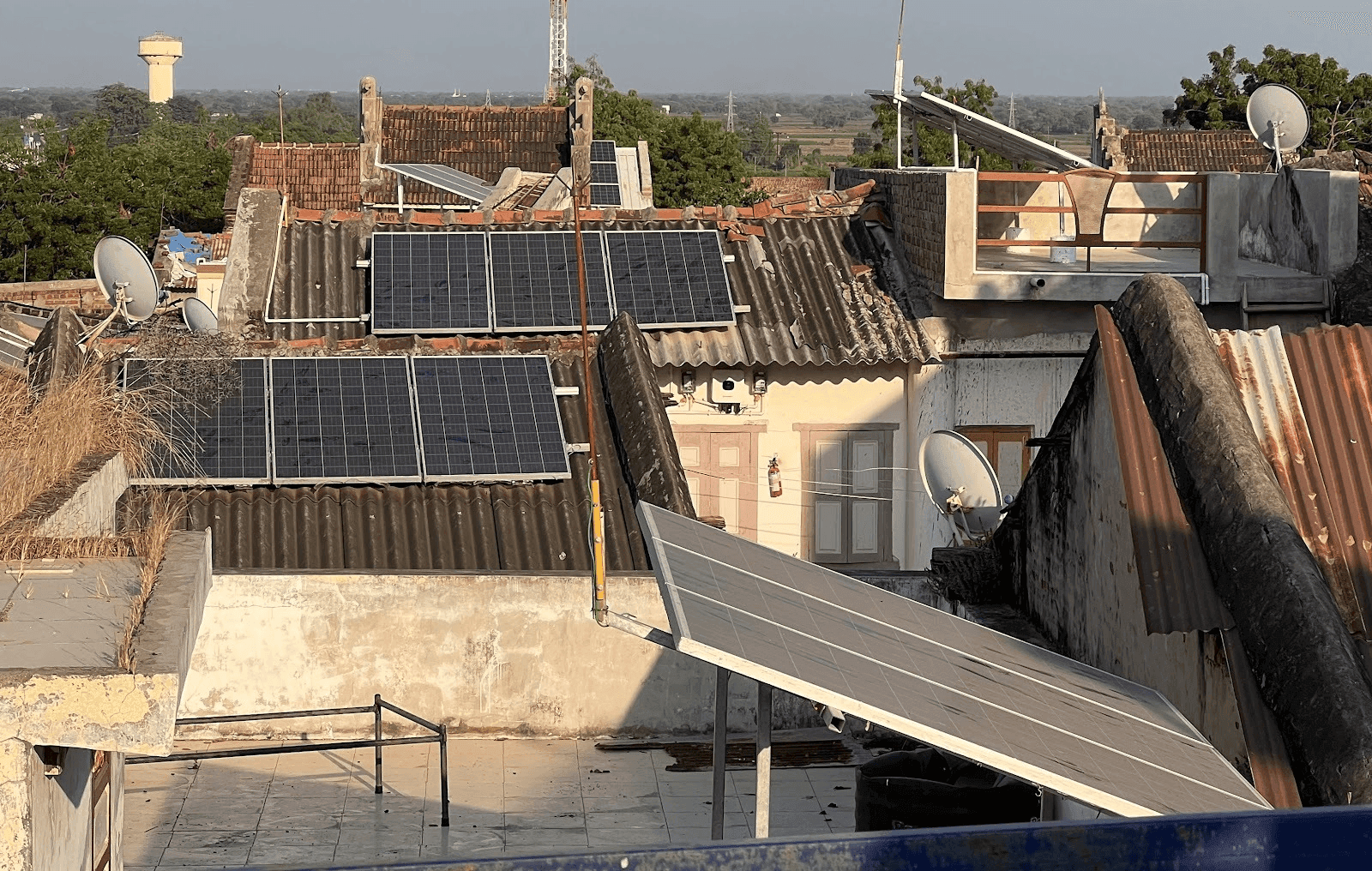
Solar power has crossed an important threshold. What was once seen as optional is now increasingly expected in well-planned residential communities.
Solar powered residential buildings offer:
- Reduced dependency on grid power
- Lower common-area maintenance charges
- Backup power reliability during outages
- Alignment with future energy regulations
For resale buyers, solar is no longer about being “green”. It is about predictability. Rising electricity tariffs make solar-enabled homes more attractive, especially in larger gated communities.
Projects that integrate solar thoughtfully, rather than as a token feature, tend to command stronger resale interest and faster transaction cycles.
Water saving features in homes matter more than ever
Water scarcity is a daily reality in many Indian cities. Buyers have seen enough summers to know this is not a temporary problem.
That is why water saving features in homes now influence resale decisions more than many cosmetic upgrades.
High-value water features include:
- Rainwater harvesting systems with real storage capacity
- Greywater recycling for landscaping and flushing
- Low-flow fixtures without pressure compromise
- Smart water meters at unit or block level
Homes that manage water efficiently are seen as future-ready. Buyers factor in tanker costs, supply uncertainty, and community disputes when evaluating resale options. Properties that reduce these risks enjoy better demand stability.
Low maintenance green homes attract long-term buyers
Maintenance is one of the most underestimated resale factors. Buyers increasingly ask about upkeep costs before committing.
Low maintenance green homes stand out because:
- Durable materials reduce repair frequency
- Efficient systems lower replacement cycles
- Landscaping uses native plants with lower water needs
- Common services are designed for long-term performance
This appeals strongly to families and senior buyers who want hassle-free living. From a resale standpoint, predictable maintenance costs make pricing discussions smoother and reduce negotiation friction.
Indoor comfort and health are resale differentiators
Sustainability is no longer limited to utilities. Indoor comfort has become a major decision driver.
Features that support resale include:
- Better daylight planning to reduce artificial lighting
- Cross-ventilation that improves air flow
- Low-VOC paints and finishes
- Enhanced air filtration in common areas
Post-pandemic buyers are more conscious of health and comfort. Homes that feel airy, bright, and breathable leave a lasting impression during site visits. This emotional response often translates into stronger resale outcomes.
Certifications help, but execution matters more
Green certifications add credibility, especially for first-time buyers. However, resale buyers look beyond labels.
What truly matters:
- Whether promised features are actually working
- Quality of ongoing maintenance
- Transparency in energy and water performance
A certified building with poorly maintained systems loses its advantage quickly. On the other hand, a well-managed community with visible sustainability practices often outperforms purely on lived experience.
Future ready homes in India align with regulation trends
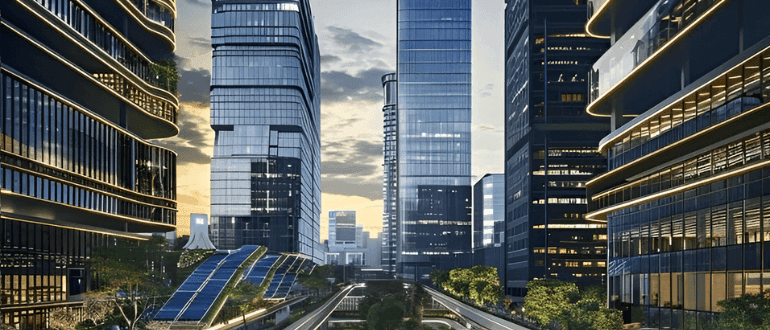
Another reason sustainability boosts resale value is regulatory alignment.
India is gradually tightening norms around:
- Energy efficiency
- Water usage
- Waste management
- Carbon footprint reporting
Future ready homes in India that already meet or exceed these expectations reduce compliance risk for buyers. This is especially relevant for institutional investors and high-net-worth individuals planning long-term holds.
A home that will not need expensive retrofitting later is inherently more valuable today.
Rental demand strengthens resale outcomes
Many resale buyers think like investors, even if they plan to live in the home later.
Sustainable housing benefits rental performance in several ways:
- Tenants prefer lower utility bills
- Green homes attract corporate tenants
- Energy-efficient units retain tenants longer
- Well-managed communities command premium rents
Stronger rental demand supports higher resale pricing. Buyers are willing to pay more for properties that offer flexibility between self-use and leasing.
What buyers actually prioritize in 2026
Based on current buyer behavior, the green building features buyers prefer most are:
- Energy efficiency that delivers visible monthly savings
- Reliable water management systems
- Solar power for common areas
- Low maintenance design and materials
- Good daylight, ventilation, and thermal comfort
Features that are hard to measure or poorly explained tend to have less impact on resale negotiations.
Sustainable homes and long-term pricing power
The strongest argument for sustainability is not emotional. It is financial.
Homes with genuine green features:
- Age better
- Attract a wider buyer pool
- Face fewer objections during resale
- Hold value during market corrections
As sustainability moves from niche to norm, non-green homes may start facing a value discount instead of green homes enjoying a premium.
Conclusion:
In 2026, sustainability and resale value are tightly connected. Buyers are no longer asking whether a home is green. They are asking how well it performs.
Energy efficiency, water security, solar integration, and low maintenance design are the features that truly move the needle. Homes that get these right are easier to sell, easier to rent, and better positioned for the future.
Sustainable homes are no longer a trend. They are becoming the baseline for long-term value in Indian real estate.
FAQs
Do sustainable homes really have higher resale value in 2026?
Yes. Sustainable homes resale value in 2026 is consistently stronger than conventional housing because buyers factor in lower running costs, future regulation readiness, and long-term comfort. Energy efficient homes resale faster and face fewer price negotiations, especially in urban Indian markets.
Which green features increase resale value the most?
The green building features buyers prefer most are energy efficiency, solar power for common areas, water saving features in homes, and low maintenance design. These directly reduce monthly expenses and future risks, making eco friendly homes investment decisions easier for resale buyers.
Are solar powered residential buildings better for resale than non-solar projects?
Yes. Solar powered residential buildings attract stronger resale interest because they lower common area electricity costs and offer backup reliability during power cuts. In 2026, solar is viewed less as a bonus and more as a baseline expectation in well-planned communities.
Do low maintenance green homes perform better in the resale market?
Low maintenance green homes generally outperform because buyers prefer predictable upkeep costs. Durable materials, efficient systems, and water-smart landscaping reduce long-term expenses, which strengthens both resale value and rental appeal.
Are certified green homes always better for resale?
Not always. Certifications help build trust, but actual performance matters more. Buyers focus on how well energy efficient systems, water management, and indoor comfort are maintained. A well-run, future ready home in India often achieves better resale outcomes than a poorly managed certified project.