The Changing Face of Urban Luxury: What Today’s Homebuyers Expect in 2026

11 Dec 2025
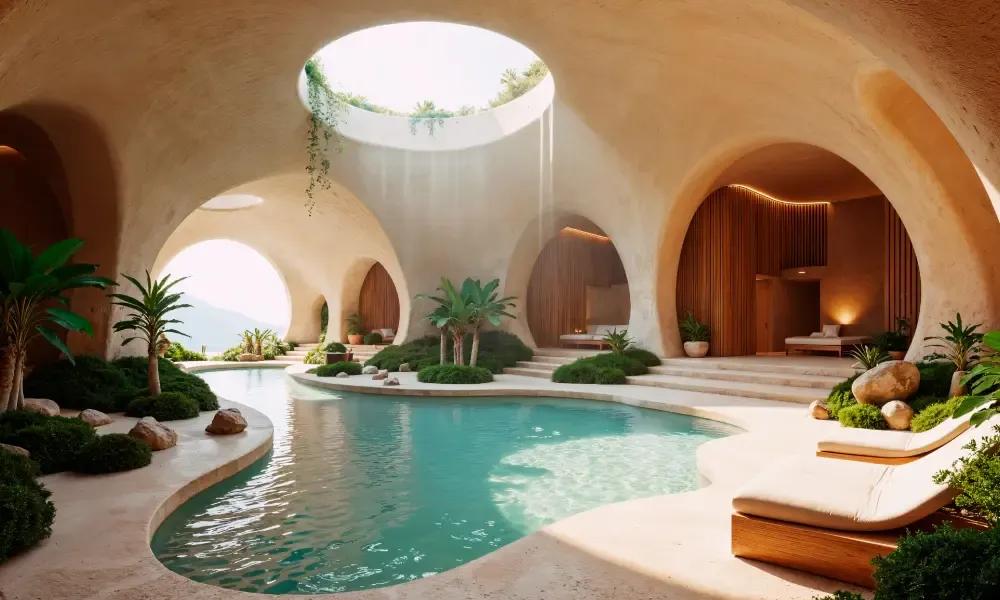
In 2026, “luxury” in Indian housing doesn’t look the way it did a decade ago. The chandelier-and-marble stereotype has given way to something far more nuanced and personal. For a growing segment of affluent buyers, the new luxury real estate trends in India are less about sheer opulence and more about how a home supports health, privacy, technology, and time.
Post-pandemic lifestyle shifts have a lot to do with this. Hybrid work, rising urban stress, and greater global exposure mean that high-net-worth and aspirational buyers now benchmark their homes against the best they’ve experienced in global hotels, co-working spaces, wellness retreats, and branded residences abroad. The result is a sharper, almost non-negotiable set of luxury homebuyer expectations, from indoor air quality and acoustic comfort to EV-ready parking, concierge services, and smart automation that “just works” in the background.
Developers with a long track record in the premium segment, such as Puravankara, with its portfolio of upscale residences and evolving luxury offerings across key Indian cities, are at the forefront of interpreting this demand. In the sections ahead, we’ll unpack how luxury real estate trends in India are shifting from ostentation to experience, and what that means for buyers and developers in 2026.
The shift from opulence to experience-based luxury
For a long time, “luxury” in Indian housing followed a simple script: a marquee address, grand entrance lobby, imported marble, a heavy chandelier, maybe a rooftop pool. The focus was on what you could see, and how visibly expensive it looked.
From 2020 onwards, that definition has been quietly rewritten. The latest luxury real estate trends in India show a clear pivot from “How grand does it look?” to “How does it make my life feel, every day?” Three big forces are driving that shift:
1. Post-pandemic lifestyle changes
COVID turned homes into offices, classrooms, gyms and wellness spaces overnight. Even as life normalised, affluent buyers didn’t forget that experience. Now, when they evaluate premium apartments in India, they ask:
- Is there enough natural light and cross-ventilation?
- Can I work from home without noise and privacy issues?
- Are there quiet corners, green views, terraces or sky decks where I can decompress?
These are emotional, experience-driven questions, not just about specifications on a brochure.
2. Global exposure and travel
India’s upper-middle and luxury segments are far more travelled and digitally exposed than a decade ago. They’ve seen branded residences, resort-villas and ultra-luxury condos in cities like Dubai, Singapore, London and New York.
As a result, luxury homebuyer expectations now include things like concierge services, hotel-style lobbies, spa-grade wellness facilities, co-working lounges, and curated F&B or retail within the campus. It’s no longer enough for a home to be large; it has to offer a lifestyle script.
3. Time and wellbeing as the new currency
Across metro cities, aspects such as commute fatigue, long work hours and digital overload have now made time, health and mental ease the real markers of status. One of the most important luxury real estate trends in India today is that buyers are willing to trade a little raw square footage for:
- Better planning and storage
- Softer acoustics and fewer shared walls
- Thoughtful amenity design (for example, a quiet reading lounge matters as much as a massive gym)
Key expectations – wellness, automation, sustainability
If Section 1 was about “experience over excess,” the next layer of luxury real estate trends in India is what that experience is made of: wellness, intelligent automation, and genuine sustainability. These three themes show up in almost every luxury purchase conversation today.
1. Wellness as a core, not a bonus
Wellness has moved from “spa on the brochure” to a structural expectation. Modern luxury homebuyer expectations go far beyond a gym and a pool. Buyers now look for:
- Thoughtful air, light and acoustic design – better ventilation, large windows, noise control, and layouts that minimise stress.
- Community-scale wellness – jogging tracks, meditation lawns, yoga decks, therapy rooms, quiet lounges, and kids’ play areas designed for safety and visibility.
- Health-first shared spaces – well-planned lobbies and clubhouses with more natural light, less crowding, and smarter circulation.
In Bengaluru and other metros, this is especially visible in premium apartments in India that market themselves as “wellness communities” rather than just luxury towers. Large, branded projects now talk about sleep quality, circadian lighting, and mental wellbeing as seriously as they talk about square footage.
Puravankara’s newer premium communities echo this shift, with masterplans that reserve generous space for landscaped greens, wellness zones, and age-responsive amenities rather than just one oversized gym. Wellness is baked into the blueprint, not tacked on at the end.
2. Invisible, reliable automation
The second big strand in luxury real estate trends in India is smart automation that feels invisible but indispensable. Affluent buyers have experimented with consumer gadgets; now they want integrated ecosystems that:
- Manage lighting, climate and security effortlessly through apps or voice, with robust backend infrastructure in the building.
- Offer smart access control, CCTV, digital visitor management and EV-charging readiness in parking.
- Support hybrid work with high-speed connectivity, dedicated co-working or “work pods” and power-backup designed around WFH realities.
Crucially, these buyers don’t want over-complication, they want frictionless convenience. A luxury home in 2026 is expected to “know” their routines, not bombard them with tech for its own sake.
Many leading developers are now partnering with seasoned automation and security vendors so that these systems are integrated at the design stage, not retrofitted, making them more stable, secure and user-friendly for residents.
3. Sustainability with measurable impact
The third pillar shaping luxury real estate trends in India is sustainability, but not in a token way. High-end buyers are increasingly sensitive to:
- Water security (rainwater harvesting, efficient plumbing, reuse systems)
- Energy efficiency (orientation, glazing, solar, LED, efficient HVAC in common areas)
- Green certifications and ESG credentials that offer long-term operating cost benefits as well as environmental comfort
For many urban professionals, especially in cities like Bengaluru, sustainable luxury lifestyle features are as much about resilience, lower utility volatility, better indoor comfort during heatwaves, as about environmental values.
Forward-looking developers are responding with IGBC/GRIHA-rated projects, smart metering, EV-ready basements, and landscape design that improves microclimate and reduces heat gain. In Puravankara’s premium portfolio, this translates into a consistent effort to tie design, engineering and eco-conscious planning together so that “green” isn’t just a marketing line, it’s part of how the community performs over decades.
Demand for exclusivity – low-density, branded residences
One of the clearest luxury real estate trends in India over the last few years is the move towards exclusivity rather than simple size. High-end buyers are no longer impressed by just a tall tower with hundreds of units; they are actively seeking communities that feel curated, private and thoughtfully scaled.
Low-density living as a status marker
In large metros, space has become the ultimate luxury. That’s why many affluent buyers now prefer:
- Lower unit counts per acre
- Wider building-to-building distances
- Larger setbacks, gardens and podiums
- Fewer apartments per floor, often with private lift lobbies
The appeal is straightforward: fewer neighbours, quieter corridors, more privacy on balconies and in common areas. For many families, especially in Bengaluru, Mumbai and Delhi–NCR, this kind of low-density planning is now a key part of luxury homebuyer expectations, often ranking higher than having an extra bedroom they’ll rarely use.
The rise of branded and managed residences
Another strong theme in luxury real estate trends in India is the preference for branded residences and professionally managed communities. Buyers are asking:
- Who is behind the project, and what is their legacy in premium housing?
- Will the clubhouse, façade, and common areas still look and feel premium ten years from now?
- Is there a clear philosophy around security, hospitality and maintenance standards?
For this segment, the developer’s name is not just a logo on the gate, it is a proxy for design quality, handover experience, and long-term upkeep. Branded residences (often in partnership with hospitality or design brands) and established premium developers are, therefore, seeing higher traction and faster absorption in the upscale bracket.
The value of design, materials, and aesthetics
If wellness, tech, and sustainability are the new pillars, design is the grammar that holds them together. One of the most visible luxury real estate trends in India is how sharply buyers now differentiate between “good specs on paper” and “good design in real life.”
Affluent homebuyers have walked through enough sample apartments to know that 100% vitrified tiles and imported fittings don’t automatically translate into a luxurious experience. They care about how everything comes together.
Thoughtful planning over mere size
For today’s luxury buyer, 2,500 sq. ft. badly planned feels less premium than 1,800 sq. ft. that’s:
- Zoned intelligently between public (living/dining) and private (bedrooms) areas
- Designed with clear circulation, minimal wasted passages and smart storage
- Oriented to maximise natural light, ventilation and views
Modern luxury homebuyer expectations emphasise corner units, wider balconies, cross-ventilation, higher floor-to-floor heights and fewer “dead corners.” A well-planned 3 BHK that lives like a 3.5 or 4 BHK, thanks to smart niches and flexible rooms, is often more coveted than a larger but awkward layout.
Materials that age well
Materials are no longer chosen just for how they look on day one, but how they age over ten or fifteen monsoons. In premium and luxury lifestyle features, buyers increasingly lean towards:
- Engineered wooden or premium tile flooring that balances warmth and durability
- High-quality hardware, hinges and window systems that still feel solid after years of use
- Facades and railings that resist weathering, fading and staining
This “longevity lens” is becoming central to luxury real estate trends in India. Discerning buyers are quick to spot the difference between genuinely premium materials and cosmetic upgrades.
Developers with a long-term view, like Puravankara, treat materials as part of the brand promise: the idea is that the project should still feel aspirational a decade after handover, not just in the first year.
Aesthetics that tell a coherent story
Finally, aesthetics have become both more global and more restrained. Instead of heavy ornamentation, many premium apartments in India now echo:
- Clean, contemporary facades with clear lines and balanced proportions
- Lobby and clubhouse interiors that feel closer to boutique hotels than traditional apartment buildings
- Landscape design that frames views, softens edges and creates “moments” – from quiet seating courts to water features and art corners
For buyers, the real question is: Does this place feel like somewhere I can see myself living, entertaining, working, and unwinding every day?
That’s why many high-end launches now work with established architects and interior designers to build a strong design narrative, from the arrival experience and drop-off zones to the lighting of corridors and the way the clubhouse opens onto outdoor decks. In Puravankara’s premium projects, this plays out as a consistent visual language: well-composed façades, carefully detailed lobbies, and amenities that look as good in daily use as they do in a brochure.
Conclusion
Affluent buyers want homes that understand their routines: spaces that flex between office and living room, gyms and gardens that genuinely get used, automation that removes friction instead of adding complexity, and communities that feel safe, green and human-scaled.
For developers, that means modern luxury is a promise you have to keep every day, not just on handover day. For established brands like Puravankara, with a 50-year legacy and a strong pipeline of premium and high-end projects across Bengaluru and other cities, this is both a responsibility and a clear opportunity.
For buyers, the takeaway is straightforward: when you evaluate premium apartments in India today, look beyond the address. Evaluate how deeply the project reflects the new luxury real estate trends in India, experience-first planning, wellness, tech, sustainability, exclusivity and design that lasts. That combination is what will truly define “urban luxury” in the years ahead.
FAQs
How are luxury prices in India trending right now?
Reports show luxury home prices in India’s top seven cities have risen about 40% since 2022, outpacing affordable housing and signalling strong, structural demand at the upper end.
Who is driving the current luxury housing demand?
High-net-worth and ultra-HNI buyers, senior professionals, NRIs and upgraded end-users in the ₹2–5 crore bracket are the main drivers of luxury real estate trends in India today.
Which cities are leading luxury and ultra-luxury sales?
Delhi–NCR and Mumbai dominate luxury volumes, while Bengaluru and Hyderabad are fast-growing hubs, including in the ultra-luxury ₹40 crore-plus trophy-home segment.
What are the top luxury homebuyer expectations in 2026?
Buyers expect wellness-centric planning, smart yet simple automation, low-density communities, strong brands, and verifiable green features that lower long-term running costs and improve day-to-day comfort.
How are developers like Puravankara adapting to luxury real estate trends in India?
They’re expanding premium pipelines, rebranding luxury portfolios , integrating ESG and tech, and designing curated communities that focus on experience, resilience and long-term value for residents.