The Invisible Element of Good Living: The Energy in Your Home

05 May 2026
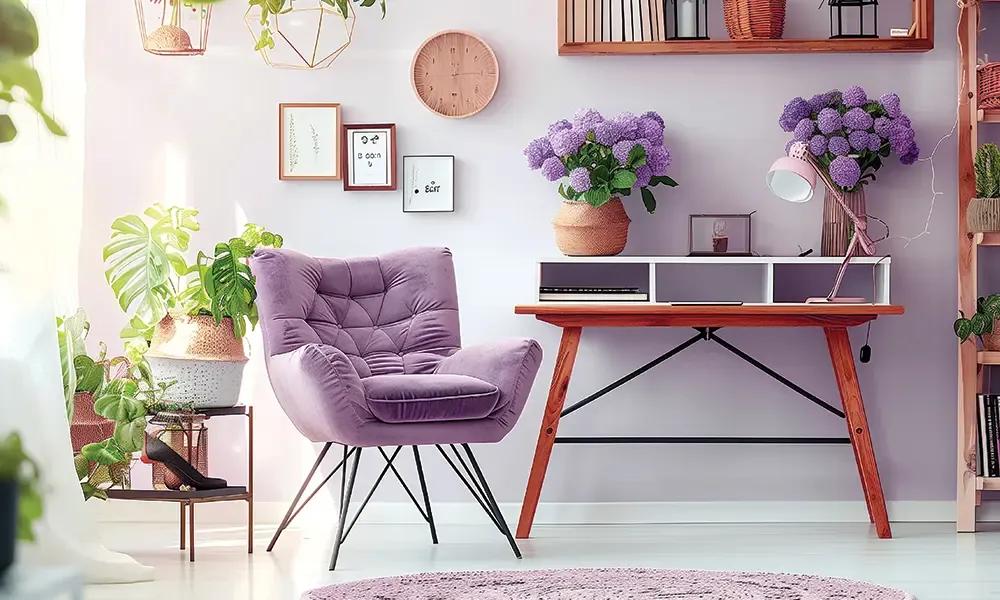
Some homes feel welcoming the moment you enter. They may not be the largest or the most luxurious, but there is something about them that makes you pause, breathe, and feel comfortable. Other homes may have the right furniture, good finishes, and enough space, yet they still feel heavy or unsettling.
That difference is often hard to explain. It is not always visible on a floor plan. It is not always captured in square feet, price, or amenities. It is the energy of the home.
In real estate, people often talk about location, layout, connectivity, and specifications. These are important, of course. But good living also depends on how a home feels every day. The light, air, movement, sounds, colours, views, and even the way spaces connect all influence the emotional atmosphere inside a home.
Energy may be invisible, but its impact is very real.
What Does Energy in a Home Really Mean?
Energy in a home does not have to be understood in a complicated or spiritual way. In simple terms, it is the overall feeling a space creates.
It is the calmness you feel in a naturally lit living room. It is the freshness of cross-ventilation. It is the ease of moving from one room to another without feeling cramped. It is the comfort of a quiet bedroom after a long day. It is also the joy of seeing greenery from your window or sitting in a balcony that gets soft morning light.
A home’s energy is shaped by many small details, such as:
- Natural light
- Ventilation
- Space planning
- Cleanliness and clutter
- Noise levels
- Colours and textures
- Views and openness
- Greenery
- Community environment
- Personal memories and routines
Together, these details create the mood of a home. They decide whether a space feels restful, chaotic, uplifting, dull, open, or restrictive.
Natural Light Brings Life Into a Home
Light is one of the strongest contributors to a home’s energy. A well-lit home naturally feels more cheerful and alive. Morning sunlight can make a room feel fresh. Soft evening light can make the same space feel warm and peaceful.
Natural light also changes the way people use their homes. A sunny corner may become a favourite reading spot. A bright dining area may make family meals feel warmer. A naturally lit study corner may make work feel less tiring.
On the other hand, a home that receives very little light can feel dull over time. Even if the interiors are well done, lack of natural light may make the space feel closed in.
This is why homebuyers should look beyond the size of windows. They should notice how light moves through the home during the day. A good home does not only have windows. It has light that supports daily life.
Airflow Creates Freshness and Ease
Fresh air can change the entire feeling of a home. Proper ventilation keeps rooms from feeling stale, heavy, or suffocating. When air moves freely through a home, the space feels healthier and more comfortable.
Cross-ventilation is especially important. It allows fresh air to enter from one side and exit from another, keeping the indoor environment active and breathable. This is useful in living rooms, bedrooms, and kitchens, where air quality matters throughout the day.
A home with good airflow often feels lighter. It is easier to relax, sleep, cook, and spend long hours indoors. Good ventilation also reduces dependence on artificial cooling and makes the home more naturally comfortable.
In simple words, air gives a home its sense of freshness. Without it, even a beautiful home can feel tiring.
Space Planning Affects How Energy Moves
The layout of a home quietly shapes its energy. When rooms are planned well, daily movement feels smooth. There is a natural flow from one space to another. Nothing feels forced or awkward.
A cramped entrance, narrow passages, poorly placed furniture, or disconnected rooms can make the home feel stressful. Even small tasks may feel inconvenient. Over time, these small discomforts can affect how people experience the home.
Good space planning creates ease. The living area feels inviting. The kitchen supports movement. Bedrooms offer privacy. Balconies feel usable. Storage is placed where it is needed. Every area has a purpose.
When a home is planned around real life, its energy feels calm and supportive.
Clutter Can Make a Home Feel Heavy
A home’s energy is not only about architecture. It also depends on how the space is used every day.
Clutter can make even a large home feel smaller. When surfaces are crowded, storage is overflowing, and objects do not have a proper place, the mind also feels busier. People may not always realise it, but visual chaos can create mental fatigue.
This does not mean a home must look like a showroom. A real home will always have books, bags, toys, utensils, and personal items. But there is a difference between a lived-in home and an overloaded one.
Smart storage, regular decluttering, and thoughtful organisation can make a home feel lighter. When the space is easier to maintain, daily life feels easier too.
Colours and Materials Shape Mood
Colours have a strong emotional effect on interiors. Soft, neutral tones often make a space feel calm and open. Earthy shades can bring warmth. Brighter colours can add energy when used thoughtfully.
The materials used inside the home also matter. Natural textures, wooden finishes, stone details, soft fabrics, and indoor plants can make a home feel grounded and comfortable. Very harsh lighting, overly glossy surfaces, or mismatched colours may make the space feel restless.
Good interiors are not always about expensive finishes. They are about balance. A home should reflect the people living in it while also creating a mood that supports their lifestyle.
For example, a bedroom may benefit from softer tones and warm lighting. A work area may need brighter light and minimal distractions. A living room can carry more personality, because it is often where people gather and connect.
Sound Influences the Atmosphere
Sound is another invisible part of a home’s energy. A peaceful home does not have to be completely silent, but it should protect residents from constant disturbance.
Traffic noise, construction sounds, loud commercial activity, or poor sound insulation can make a home feel stressful. Continuous noise makes it harder to rest, focus, or enjoy quiet moments.
At the same time, pleasant sounds can improve the atmosphere. Birds in the morning, leaves moving in the wind, soft music, children playing at a comfortable distance, or water features in landscaped areas can make the surroundings feel more alive.
When choosing a home, people often inspect what they can see. But it is just as important to notice what they can hear.
Greenery Adds Calm and Balance
Greenery has a way of softening a home’s energy. A view of trees, a balcony garden, indoor plants, or landscaped common spaces can make daily life feel calmer.
Plants bring freshness, colour, and a sense of care into a space. They also create small rituals. Watering plants in the morning, sitting near a balcony garden, or taking an evening walk through a green courtyard can become grounding moments in the day.
In residential communities, green spaces also improve the collective energy of the place. They encourage people to step outside, walk, pause, and connect with nature.
A home surrounded by greenery often feels less mechanical and more human.
Personal Routines Give a Home Its Character
A house becomes a home through the routines built inside it. Morning tea on the balcony, family dinners, weekend cleaning, evening prayers, work calls from a quiet corner, children doing homework at the dining table — these daily moments create emotional energy.
This is why two homes with the same layout can feel completely different. The people, habits, memories, and emotions inside them shape the atmosphere.
Good real estate supports these routines. It gives families the space to live naturally. It allows privacy, togetherness, rest, work, and recreation without forcing everything into one uncomfortable pattern.
The best homes make everyday life feel smoother.
Community Energy Also Matters
The energy of a home is not limited to the apartment or villa alone. The larger community also plays a role.
A well-maintained residential society, friendly neighbours, safe common areas, clean pathways, active amenities, and respectful shared spaces all contribute to a positive living experience.
On the other hand, poorly maintained surroundings, lack of safety, overcrowding, or disconnected community life can affect how residents feel at home.
People do not live only within four walls. They live in corridors, lifts, gardens, parking areas, clubhouses, and neighbourhood streets too. When these spaces are planned and maintained well, the whole community feels more comfortable.
Why Homebuyers Should Pay Attention to Energy
Buying a home is one of the biggest decisions people make. Naturally, they compare price, carpet area, location, builder reputation, possession timelines, and amenities. These are practical and necessary.
But during a site visit, it is also important to pause and ask:
- Does the home feel calm?
- Is there enough natural light?
- Does the air feel fresh?
- Is the layout easy to move through?
- Are the surroundings noisy or peaceful?
- Does the balcony or window offer openness?
- Can daily routines happen comfortably here?
These questions may seem simple, but they reveal a lot. A technically good home may not always feel right. A truly good home works both practically and emotionally.
Final Thoughts
The energy of a home is built through many invisible details. Light, air, sound, space, greenery, layout, colours, routines, and community all come together to shape how people feel every day. Good living is not only about owning a beautiful address. It is about waking up with ease, returning home with relief, resting without disturbance, and feeling connected to the space around you.
A home with positive energy does not need to be perfect. It needs to feel balanced, breathable, and alive. It should support the life you want to build, not just the lifestyle you want to display. In the end, the best homes are not only seen. They are felt.