Why Panathur Is Emerging as Bengaluru’s Next Real Estate Destination

27 Oct 2026
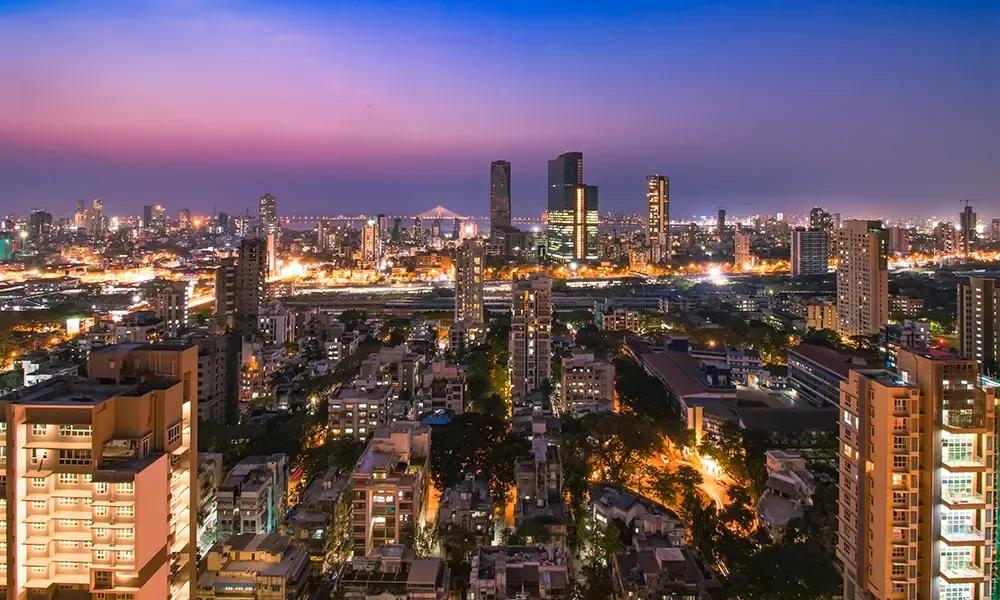
Bengaluru has never stopped reinventing itself. What began as a city known for its gardens, educational institutions, and public-sector industries gradually became India's technology capital. Employment hubs expanded, new neighbourhoods emerged, and residential development followed the movement of businesses and people.
Today, another transformation is underway. Bengaluru is growing beyond its traditional centres, creating new residential and commercial corridors where people can work, live, shop, and build communities. Locations that were once considered peripheral are becoming important parts of the city's everyday life. Panathur is one such neighbourhood.
Situated between the Outer Ring Road (ORR) technology corridor and the expanding residential pockets of East Bengaluru, Panathur represents this changing urban pattern. Its journey from a relatively quiet locality to an active residential destination reveals how employment, housing demand, infrastructure, and lifestyle expectations are reshaping Bengaluru. More importantly, it raises a larger question: what does it take for a growing neighbourhood to become a truly successful part of the city?
Bengaluru Is No Longer Defined by One Centre
For decades, central locations such as MG Road, Richmond Town, Indiranagar, and surrounding established neighbourhoods represented the convenience and prestige of Bengaluru living.
However, the city's employment landscape gradually expanded. Technology parks and corporate campuses developed across Whitefield, Electronic City, Outer Ring Road, and other business corridors.
As jobs became more decentralised, housing demand followed.
Professionals increasingly preferred locations that offered practical access to their workplaces rather than proximity to Bengaluru's traditional city centre.
This change created new residential markets across the city's eastern, southern, and northern corridors.
Panathur's emergence is part of this larger shift. It demonstrates how residential importance can move towards locations that connect people to contemporary employment centres and everyday conveniences.
Why Panathur's Location Became Important
Panathur's strongest advantage has always been its geographical position.
Located near Kadubeesanahalli, Bellandur, Marathahalli, Varthur, and Whitefield, the neighbourhood sits within reach of several important employment and residential destinations.
This gave Panathur a foundation for growth even before large apartment communities became common in the area.
As the Outer Ring Road technology corridor developed, professionals began looking for housing options nearby.
Panathur offered an alternative to established neighbourhoods where residential demand, congestion, and property prices were already creating challenges.
Its appeal was not based on being a traditional prime address. It came from offering access to places where Bengaluru's economy was expanding.
Over time, this practical advantage helped change how homebuyers perceived the neighbourhood.
Employment Growth Created the First Residential Momentum
Bengaluru's technology sector has played a central role in the development of East Bengaluru.
Office campuses around Bellandur, Kadubeesanahalli, and Marathahalli have attracted professionals from across India and beyond.
This created continuous demand for rental accommodation and homes near employment centres.
The broader ORR corridor remains economically significant. According to Cushman & Wakefield's Q3 2026 Bengaluru market report, Outer Ring Road accounted for 61% of the city's office leasing during the quarter.
For nearby residential markets, this concentration of employment provides an important demand base.
Panathur benefits from being close to this corridor, although commute reliability depends on road conditions and the exact residential location.
The relationship between employment and housing explains much of Panathur's transformation. As more people sought homes around the technology corridor, residential development gained momentum.
From Village Landscape to Apartment Communities
Panathur's physical transformation is one of the clearest examples of Bengaluru's outward growth.
Earlier, the area had a more village-oriented character, with relatively limited roads and scattered residential development.
Over time, apartment complexes, gated communities, and supporting commercial establishments began changing its landscape.
The arrival of organised residential projects introduced new housing options for working professionals, couples, and families.
These communities also brought amenities such as landscaped spaces, gyms, clubhouses, children's play areas, and managed security.
This development gave Panathur a new identity.
Instead of being viewed primarily as an area between established destinations, it began attracting buyers who considered it a residential destination.
The transition also brought new responsibilities for urban planning, particularly around roads, drainage, public services, and traffic management.
A New Kind of Residential Demand
The first wave of demand in employment-led neighbourhoods often comes from individual professionals and young couples seeking rental accommodation.
As these neighbourhoods mature, the buyer profile becomes more diverse.
Panathur increasingly attracts families who want larger apartments, community amenities, and access to schools, healthcare, and daily conveniences.
This reflects changing expectations among Bengaluru homebuyers.
A home is no longer evaluated only through its proximity to office. Buyers also consider natural light, layout efficiency, storage, outdoor spaces, security, and neighbourhood comfort.
For families, long-term needs become especially important.
Schools, medical facilities, grocery shopping, and recreational opportunities influence whether a location can support several stages of family life.
Panathur's growing residential ecosystem is making it relevant to these wider requirements.
The Rise of Community-Centred Living
Large residential communities have influenced how Panathur is developing socially.
In many modern apartment projects, amenities extend beyond swimming pools and fitness centres. Shared gardens, children's play spaces, sports facilities, seating areas, and community halls can become part of everyday living.
These spaces also help residents form relationships.
For professionals who relocate to Bengaluru, residential communities can provide opportunities to meet neighbours and establish social connections.
For families, they offer shared environments where children can interact and residents can participate in community activities.
This sense of belonging is an important part of neighbourhood maturity.
A successful residential destination is not simply an area with many apartment towers. It is a place where people develop routines, relationships, and a sense of familiarity.
How Everyday Conveniences Strengthen a Neighbourhood
Residential demand creates opportunities for supporting businesses.
As more households move into Panathur, demand for supermarkets, pharmacies, restaurants, cafés, fitness centres, salons, and household services increases.
The neighbourhood also benefits from access to established commercial and social infrastructure across Bellandur, Marathahalli, Varthur, and Whitefield.
These conveniences contribute to a more complete residential experience.
A family should not need to travel across the city for every grocery purchase or routine appointment. Professionals should be able to manage essential errands without sacrificing an entire evening.
Over time, accessible services help a developing neighbourhood become more independent.
For Panathur, this evolution is important because it moves the area's appeal beyond employment proximity towards everyday liveability.
Panathur Reflects Bengaluru's Housing Expansion
Panathur's growth is also visible in Bengaluru's residential development patterns.
Market reports identified East and South-East Bengaluru as the city's most active submarkets for new housing launches, highlighting developer activity across Varthur, Panathur Road, and Sarjapur Road.
This shows that residential interest is not limited to established neighbourhoods.
Developers are responding to demand in corridors where employment access, available land, and changing lifestyle expectations come together.
However, increased supply also creates competition.
For buyers, more projects can mean greater choice, but it also makes careful comparison essential.
The right property must offer appropriate pricing, strong construction quality, reliable maintenance, and a practical location.
Growth in housing supply does not automatically guarantee appreciation or better living conditions.
Infrastructure Must Catch Up with Development
Panathur's experience highlights one of Bengaluru's biggest urban challenges: residential development can move faster than civic infrastructure.
As apartment communities expanded, traffic pressure increased on Panathur Main Road, Balagere Road, and connecting routes towards ORR.
The railway underpass became a particularly important bottleneck.
Road widening has provided some improvements, but congestion and drainage problems remain.
In October 2026, the Panathur railway underbridge experienced another flooding incident, demonstrating that reliable all-weather connectivity remains an unresolved challenge.
These problems matter because residents experience infrastructure every day.
A neighbourhood's success cannot be measured only by new buildings. Roads, drainage, water supply, pedestrian safety, and public transport must support the population using them.
For Panathur, addressing these gaps will be central to its next stage of development.
Metro Connectivity Could Support the Next Transition
Bengaluru's expanding metro network is expected to influence how residents move across major employment corridors.
The Blue Line's Central Silk Board–KR Puram section follows the Outer Ring Road and is designed to serve several important office destinations.
For Panathur, stations around the ORR corridor could eventually provide an alternative to certain road-based commutes.
As of October 2026, the section is still under development, with operations targeted for mid-2027, subject to testing and statutory clearances.
Its eventual impact on Panathur will depend on last-mile access.
Reliable feeder services, safe walking routes, and convenient connections from residential communities will be necessary for residents to benefit fully.
Metro connectivity could strengthen Panathur's position, but it should be viewed as a future mobility improvement rather than an existing advantage.
The Environmental Question Cannot Be Ignored
As Panathur becomes more urbanised, environmental planning will become increasingly important.
The wider East Bengaluru region contains lakes, wetlands, low-lying areas, and natural drainage networks.
Rapid construction and changes to land use can place pressure on these systems when development is not supported by adequate planning.
Repeated waterlogging has already demonstrated the consequences of insufficient drainage capacity.
Future improvements must therefore consider more than road widening and additional housing.
Stormwater management, protection of natural drainage channels, wastewater treatment, greenery, and sustainable water use all contribute to long-term neighbourhood quality.
For homebuyers, these issues influence maintenance costs, safety, and everyday comfort.
For Bengaluru, they raise a larger question about how the city can accommodate growth without weakening the environmental systems it depends upon.
What Panathur Means for Homebuyers and Investors
Panathur's evolution offers opportunities for different buyer profiles.
Working professionals may value access to the ORR employment corridor. Families may prefer modern residential communities and the surrounding education and healthcare network.
Investors may consider the area's employment-linked rental demand and growing residential market.
However, the decision should remain property specific.
Buyers need to study micro-location, approach roads, water availability, drainage, maintenance, legal approvals, and actual commuting conditions.
Investors should evaluate achievable rents, purchase prices, recurring expenses, competing supply, and resale demand.
Panathur's position within a growing urban corridor makes it relevant, but not every property will benefit equally from that growth.
The Real Test of a New Urban Neighbourhood
Panathur's next stage will depend on whether it can move from rapid development to sustainable neighbourhood maturity.
That means improving existing roads rather than relying only on proposed ones. It means managing drainage before monsoon flooding affects daily life. It means making public transport accessible and pedestrian movement safer.
It also means creating a neighbourhood where schools, healthcare, shopping, recreation, and housing function together.
For residents, these improvements would reduce everyday inconvenience.
For Bengaluru, they would demonstrate a more balanced approach to urban expansion.
A successful neighbourhood should not simply absorb population growth. It should create the infrastructure and services necessary to support that population comfortably.
Conclusion
Panathur matters because it represents a larger transformation taking place across Bengaluru.
The city is no longer growing around one centre. Employment hubs, residential communities, and lifestyle destinations are creating new urban corridors, changing how people choose where to live.
Panathur's journey reflects this evolution. Its proximity to the ORR technology corridor attracted professionals, residential development followed, and the growing population encouraged a wider ecosystem of services and community spaces.
Yet its future depends on more than development momentum. Better roads, dependable drainage, accessible transport, environmental protection, and reliable civic infrastructure will determine how successfully the neighbourhood matures.
For buyers, Panathur offers a location worth evaluating within East Bengaluru's changing residential landscape. For the city, it offers something more significant: an opportunity to show how emerging neighbourhoods can become complete, connected, and sustainable places to live.
The making of a new Bengaluru is not simply about how far the city expands. It is about how well its new neighbourhoods come together. Panathur is an important part of that story.

