The Rise of the Home Café: Creating a Coffee Corner at Home

12 Oct 2026
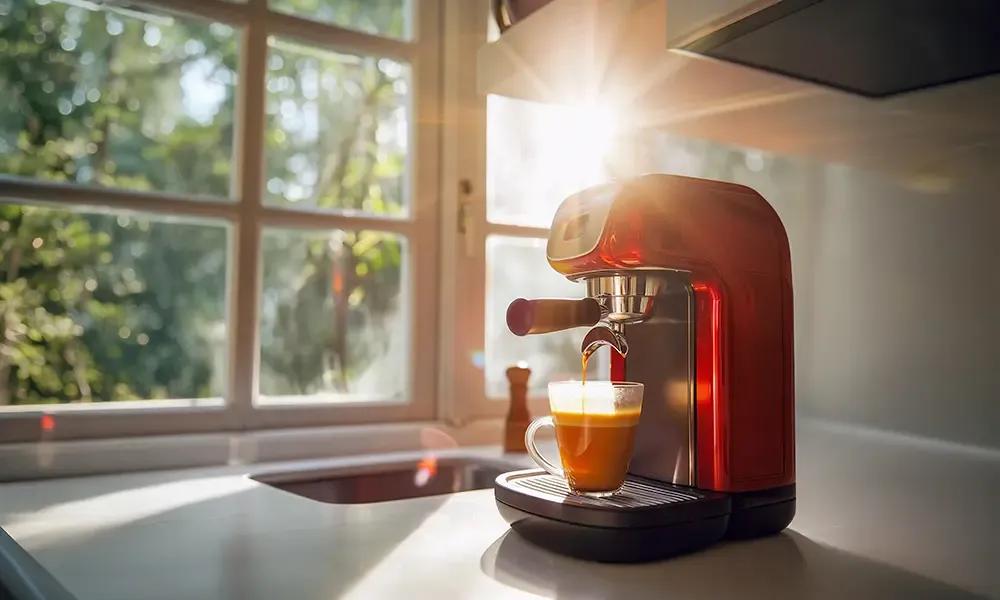
The home café is becoming one of the most loved lifestyle additions in modern homes. It is not just about placing a coffee machine on the kitchen counter. It is about creating a small, thoughtful corner that turns an everyday routine into a comforting experience. A home café can make mornings slower, work breaks better, weekends warmer, and the home itself feel more personal.
For many homeowners, coffee has become part of the daily rhythm. It may be the first quiet moment before work, a mid-day pause between calls, a weekend ritual, or a simple way to host friends. Instead of treating coffee as a rushed kitchen activity, people are now designing dedicated coffee corners that feel organised, beautiful, and easy to use.
This trend also reflects a larger shift in home design. Buyers and homeowners no longer want spaces that look good only in photographs. They want homes that support routines, hobbies, small joys, and personal habits. A coffee corner does exactly that. It uses a small area of the home to create a lifestyle moment that feels both practical and special.
Why the Home Café Is Becoming Popular
The home café is popular because it brings comfort and convenience together. It gives homeowners the café experience without needing to step outside. In busy cities, where daily schedules are packed and traffic can make even short outings tiring, this small home feature can feel surprisingly valuable.
It also suits the way people live today. Work-from-home and hybrid work have made homes more active during the day. People now take meetings, breaks, calls, and quiet moments inside the house. A coffee corner supports this routine naturally.
It also adds personality. Unlike a standard kitchen counter, a coffee corner can reflect the homeowner’s taste. It can be minimal, earthy, modern, vintage, luxury-led, colourful, or completely simple. This makes it one of the easiest ways to make a home feel more lived-in and expressive.
The best part is that a home café does not need a large space. Even a compact corner, shelf, trolley, niche, or sideboard can become a beautiful coffee zone when planned well.
Choosing the Right Spot
The first step in creating a coffee corner is choosing the right location. The spot should be easy to access, practical to use, and visually pleasant.
The kitchen is the most common place because water, storage, and electrical points are usually nearby. A coffee corner can be created on one side of the counter, inside a pantry cabinet, below open shelves, or near the breakfast area.
The dining area is another good option, especially if the home has a sideboard or console table. This works well when the coffee corner is also used for hosting. Guests can serve themselves, and the setup becomes part of the dining experience.
In some homes, the living room may work beautifully. A small coffee station beside a bookshelf, near a window, or next to an accent wall can make the space feel cosy. For larger homes, a coffee corner can also be placed in a study, balcony, family lounge, or passage niche.
The right spot is the one that fits naturally into your routine. If you drink coffee while starting work, place it near the study or kitchen. If you enjoy evening coffee with family, place it closer to the living or dining area.
Start with a Strong Base
Every coffee corner needs a base. This could be a counter, cabinet, console, trolley, shelf unit, or built-in niche. The base should be strong enough to hold the coffee machine, mugs, jars, trays, and accessories.
For a permanent and premium look, built-in cabinetry works best. It can include drawers, closed storage, shelves, and a clean countertop. This is ideal for homeowners who want the coffee corner to feel like part of the interior design.
For renters or smaller homes, a movable bar cart or compact console table works well. It is flexible, affordable, and easy to shift. A trolley can also be used as a coffee station during the week and a dessert or drinks station when guests come over.
The base should not be too cluttered. A coffee corner looks best when everything has a place. Machines, mugs, sugar, coffee pods, beans, filters, spoons, napkins, and small jars should be arranged neatly.
Storage Makes the Corner Work
A coffee corner may look beautiful on day one, but storage decides whether it remains practical. Without storage, the area quickly becomes messy.
Closed drawers are useful for coffee pods, filters, stirrers, spoons, coasters, and napkins. Open shelves can hold mugs, glass jars, small plants, and decorative objects. A wall-mounted rack can save counter space. A tray can keep daily-use items together and make cleaning easier.
If the coffee corner is inside the kitchen, use a mix of open and closed storage. Keep attractive items visible and hide the rest. For example, display ceramic mugs, a coffee grinder, or glass jars, but store extra packets and cleaning supplies inside drawers.
Good storage creates a café-like feeling because the space looks intentional. It should not feel like random items were placed in a corner.
The Role of Lighting
Lighting can completely change how a coffee corner feels. Even a small setup looks more premium when it is lit well.
Warm lighting works best because it creates a cosy café mood. Under-cabinet lights, pendant lights, wall sconces, small table lamps, or LED strip lighting can add softness. If the coffee corner is near a window, natural light can make it feel fresh in the morning.
Avoid harsh white lighting unless the corner is part of a highly functional kitchen counter. Coffee is associated with warmth and comfort, so the lighting should support that emotion.
A simple wall light above the coffee station can make the corner feel designed. In compact homes, this small touch can create a strong visual impact without taking up extra space.
Choosing the Right Materials
The materials used in a coffee corner should match the rest of the home while still giving the space its own identity.
Wood is one of the best choices because it adds warmth. A wooden shelf, counter, tray, or cabinet can instantly make the corner feel inviting. Stone or marble-look surfaces add a more premium feel. Fluted panels, cane shutters, brass handles, matte finishes, and textured tiles can make the setup look stylish without feeling overdone.
For a modern look, use clean lines, neutral colours, hidden storage, and minimal accessories. For a café-inspired look, use warm wood, open shelves, ceramic mugs, vintage art, and soft lighting. For a luxury look, use darker cabinetry, marble, metallic accents, and statement lighting.
The key is consistency. The coffee corner should stand out, but it should not look disconnected from the rest of the home.
What to Include in a Home Café
A good coffee corner should include only what you actually use. Too many accessories can make it look cluttered.
The basics include a coffee machine, kettle or milk frother, mugs, coffee beans or pods, sugar, stirrers, spoons, and a small tray. If you enjoy manual brewing, you may include a French press, pour-over set, moka pot, grinder, or weighing scale.
For tea lovers, the same corner can also include tea bags, loose tea jars, honey, lemon, and cups. This makes the station more flexible for the entire family.
You can also add a small snack jar, cookies, biscotti, or dry fruits if you want a café-like touch. But keep it controlled. A coffee corner should feel curated, not overloaded.
Make It Personal
The charm of a home café lies in its personality. This is where small details matter.
A framed print, quote, small plant, ceramic jar, wooden tray, candle, wall clock, or travel souvenir can make the corner feel personal. If you enjoy a classic café mood, add blackboard-style labels or warm-toned artwork. If you prefer a cleaner look, use simple mugs, matte jars, and neutral textures.
Personalisation should be subtle. The goal is not to fill every inch. The goal is to make the corner feel warm and connected to your lifestyle.
A home café should make you want to pause for a moment. That feeling comes from details.
Coffee Corners for Small Homes
You do not need a large house to create a home café. Small homes can have beautiful coffee corners too.
Use vertical space. Add two floating shelves above a small counter. Use a narrow console in the dining area. Turn an unused kitchen corner into a beverage station. Use a wall-mounted rack for mugs. Add a compact trolley that can be moved when needed.
A small coffee corner should be neat and efficient. Choose compact appliances, stackable jars, and limited accessories. Use a tray to group items visually. Add one small plant or artwork to soften the look.
In small homes, the coffee corner should not block movement. It should feel like a natural part of the layout.
Coffee Corners for Luxury Homes
In luxury homes, the coffee corner can be designed as a full beverage station. It may include built-in cabinetry, a coffee machine, wine chiller, mini fridge, sink, concealed storage, stone counter, mood lighting, and premium hardware.
It can be placed near the dining area, family lounge, private study, or master suite. Some luxury homes also create a morning kitchen or pantry zone where coffee, breakfast, and light snacks can be prepared without using the main kitchen heavily.
For premium homes, the coffee corner should feel seamless. Appliances can be integrated. Storage can be concealed. Lighting can be layered. Materials can be richer. The design should feel refined rather than decorative.
Luxury is not about adding more items. It is about making the experience smoother.
A Coffee Corner for Work-From-Home Routines
For people working from home, a coffee corner can become part of the workday rhythm. It creates a pause between calls, tasks, and deadlines.
Instead of walking into a cluttered kitchen, a dedicated coffee zone gives structure to the day. It can become the place where you begin work, take a short break, or reset your energy in the afternoon.
If the coffee corner is near the study, keep it simple and quiet. Add a small machine, mugs, jars, and maybe a shelf for books or a plant. Avoid too many distracting elements.
The goal is to create a calm ritual, not another busy zone.
Common Mistakes to Avoid
The biggest mistake is overcrowding the corner. Too many mugs, jars, machines, and decorative items can make the space look messy. Keep only what is useful and attractive.
Another mistake is ignoring electrical points. Coffee machines, grinders, and kettles need plug points. Plan these before finalising the corner.
Poor lighting is also common. A dark corner may not feel inviting, even if the setup is expensive. Add warm task lighting where possible.
Many people also forget cleaning. Coffee corners need surfaces that are easy to wipe, enough space for spills, and storage for cleaning cloths or tissues.
Finally, avoid making the corner too theme heavy. A few café-inspired touches are enough. The space should still feel like part of your home.
How a Coffee Corner Adds Value to a Home
A coffee corner may be a small feature, but it can make a home feel more thoughtful. It tells visitors that the home has been designed around real routines.
For homeowners, it improves daily life. For buyers viewing a home, it can create emotional appeal. A well-designed coffee corner helps them imagine slow mornings, work breaks, weekend conversations, and small moments of comfort.
It may not change the structural value of a property, but it can improve perceived value. In interiors, perceived value matters because people respond strongly to spaces that feel useful and warm.
A coffee corner is one of those small design decisions that makes a home feel more complete.
Conclusion
The rise of the home café shows how modern homeowners are rethinking everyday spaces. A coffee corner is not only about coffee. It is about comfort, routine, personality, and the desire to make home life more enjoyable.
Whether it is a small shelf in a compact apartment, a console in the dining area, a built-in beverage station in the kitchen, or a luxury coffee bar in a private lounge, the idea remains the same. The corner should be easy to use, beautiful to look at, and connected to the way you live.
A good home café does not need to be expensive. It needs to be intentional. With the right placement, storage, lighting, materials, and personal touches, even a small corner can become one of the most loved spaces in the home.

