The Rise of Walkable Neighborhoods

31 Mar 2026
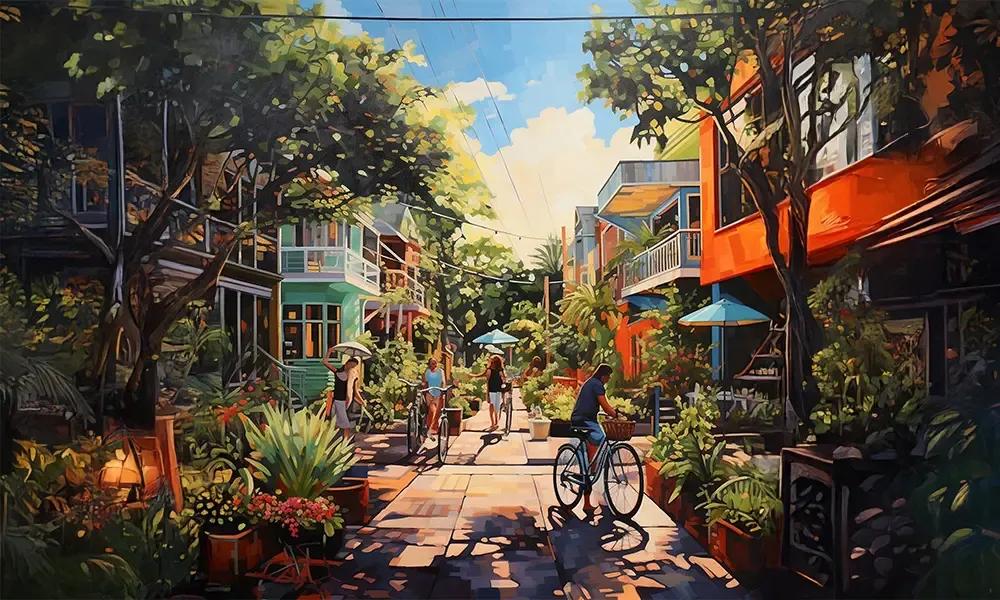
Walkability used to be something people mentioned casually: “It’s a nice area, you can walk to cafés.” In 2026, walkability has moved from a lifestyle preference to a serious real estate filter. Buyers and renters are increasingly choosing neighborhoods that make daily life easier without defaulting to a car for every small task.
This shift isn’t about being trendy. It’s about a deeper change in how people value time, energy, and routine. When you can walk to groceries, a pharmacy, a park, or a quick meal, your day feels lighter. When you can’t, your life becomes a chain of micro-commutes, each one stealing time and adding friction.
Walkable neighborhoods are rising because they solve a modern problem: daily convenience without constant driving. And when a neighborhood solves daily life well, demand follows.
What “Walkable” Actually Means
A neighborhood is not walkable because a map shows destinations nearby. It’s walkable when walking is safe, comfortable, and logical, especially on ordinary weekdays.
A truly walkable neighborhood usually includes:
- Continuous footpaths that don’t disappear mid-route
- Safe crossings where pedestrians aren’t forced into risky gaps
- Mixed-use daily essentials (groceries, pharmacy, clinics, services, basic food)
- Street comfort: lighting, shade, basic cleanliness, predictable surfaces
- Evening safety: the ability to walk after 7–8 pm without feeling exposed
- A network of routes, not one “nice stretch” surrounded by chaos
- Transit linkage, so walking connects you to the wider city
Why Walkable Neighborhoods Are Rising in 2026
Walkability is rising because of multiple trends stacking together.
Hybrid Work Made Neighborhood Living More Important
Work patterns have changed. Many people commute fewer days but spend more time in their neighborhood. That shifts attention toward what’s near home: errands, wellness, social routines, convenience services. In a car-dependent area, every small need becomes a drive. In a walkable area, daily life feels smoother.
This doesn’t mean offices don’t matter. It means neighborhoods matter more than before.
People Are Tired of “Traffic Tax” Living
In many cities, traffic isn’t just a problem, it’s a daily tax on time and mental bandwidth. Walkability reduces the number of trips that trigger this tax. You still drive sometimes, but you don’t feel forced into driving for everything.
Walkability doesn’t erase traffic. It reduces how often traffic controls your day.
Health and Wellbeing Became Location Features
Walkable neighborhoods support “accidental fitness.” You don’t need a special plan to move. You walk to pick up essentials, take an evening stroll, or step out for a quick coffee. Over months, these small habits matter.
This is a major reason families and older residents like walkable areas: movement becomes safer and more routine.
Daily Convenience Became a Core Lifestyle Metric
Convenience used to mean “mall access” or “good connectivity.” Now convenience includes:
- how quickly you can do daily errands
- whether you can walk safely
- whether deliveries are easy
- whether the neighborhood feels usable after dark
Walkable neighborhoods win because they compress effort.
Social Life Is Shifting Toward Local, Frequent, Low-Effort
Many people now prefer small, frequent outings over big, planned weekends across the city. Walkable neighborhoods support this: a café meet-up, a park walk, an evening snack, a quick grocery run. Social life becomes more spontaneous and less dependent on driving.
The Walkability Premium: How It Impacts Real Estate
Walkability influences real estate demand in predictable ways.
Stronger End-User Demand
Buyers who plan to live in the home value daily ease more than brochure features. Walkability becomes a “daily advantage,” not a future promise. That often makes walkable areas more resilient during slowdowns because end-user demand stays steadier.
Better Rental Liquidity
Tenants also prioritize convenience and commute ease. A walkable neighborhood tends to attract a wider tenant pool: young professionals, couples, families, even seniors. That broad demand can lower vacancy risk for landlords.
Resale Ease and Wider Buyer Pool
When an area is walkable, more types of buyers consider it. That widens the resale pool, which can improve liquidity. Even if pricing is higher, the selling journey can be smoother because the lifestyle story is easier to understand.
Price Stability vs Price Spike
Walkability doesn’t always mean explosive appreciation. Often, it means steadier demand and better holding value. The “walkability premium” tends to show up as:
- stronger inquiry volume
- faster decision cycles
- less resistance to slightly higher pricing if daily convenience is real
A walkable area doesn’t need to be the cheapest or the newest. It needs to be the easiest.
The “Walkable Core” Effect
Most walkable neighborhoods have a core: a zone where the best walking network exists. This could be around:
- a transit station
- a high street with daily essentials
- a park and service cluster
- a mixed-use retail belt
Properties within a comfortable walking distance of this core often experience stronger demand. But the important detail is that distance is not the same as experience.
A flat 900 meters away can feel more walkable than a flat 400 meters away if:
- the 900-meter route has sidewalks, shade, and safe crossings
- the 400-meter route forces you onto a busy road with broken footpaths
Walkability is route-quality, not map-radius.
Walkable Neighborhood vs Walkable Community
Some places aren’t truly walkable neighborhoods but can still offer walkability inside the community.
Walkable Neighborhood
- you can walk outside your gate for errands
- multiple destinations are reachable safely
- walking feels normal and frequent
Walkable Community
- internal walking loops and open spaces
- kids can play inside safely
- small essentials may exist within or right outside the community
- but many errands still require a drive
Walkable communities are still valuable, especially for families. But if you want “car-light” living, you need neighborhood-level walkability too.
What Makes Walkability Fail: The Hidden Frictions
Many localities claim walkability. Here’s what usually breaks it.
Broken Footpaths and Unsafe Crossings
If walking requires stepping onto the road or crossing high-speed traffic without safe signals, people stop walking.
“Close, But Not Comfortable”
Some areas have destinations nearby, but walking feels unpleasant due to dust, heat exposure, noise, or chaotic traffic behavior.
Destinations That Don’t Match Daily Needs
A neighborhood can have cafés and restaurants but still lack everyday essentials like groceries, pharmacy, and basic services. That limits real walkability.
Night Safety Gaps
If the area feels unsafe after dark, walking becomes a daytime-only habit, reducing its real lifestyle value.
One Great Stretch Surrounded by Car Chaos
A neighborhood isn’t walkable if only one street is walkable and everything else is hostile to pedestrians. Walkability needs a network.
How to Evaluate Walkability Before You Buy
If you want a practical approach, use this “walk test” framework.
Do a 10-Minute Walk Test
From the property, walk to:
- grocery store
- pharmacy
- quick food option
- park/open space if available
If you can reach at least two essentials comfortably, walkability is likely real.
Repeat After 8 pm
Evening comfort matters. Walkability is not only about convenience, it’s also about safety and lighting.
Check:
- streetlights and visibility
- whether the streets feel active or isolated
- whether crossings feel safe
Check Sidewalk Continuity
Look for:
- continuous footpaths
- width that allows two people to walk
- surfaces that are manageable in rain
- obstructions like parked vehicles or encroachments
Observe Crossing Behavior
Crossings reveal whether a city respects pedestrians. If you’re constantly waiting for risky gaps, residents will avoid walking.
Check the “Daily Essentials Mix”
A walkable neighborhood supports routines. Confirm:
- groceries
- pharmacy/clinic
- services (repair, salon, stationery)
- food options that work for weekdays, not only weekends
Watch Real Resident Behavior
If you see:
- parents walking with kids
- seniors walking comfortably
- evening walkers and joggers
walkability is probably baked into the lifestyle.
Walkability and Families: Why It Matters
Walkable neighborhoods are often more attractive for families because they reduce dependence on constant driving. Families value:
- safe outdoor time for kids
- parks and play access
- quick errands without long drives
- a neighborhood where seniors can move independently
In many cases, families will choose a slightly smaller home in a more walkable area because the neighborhood becomes an extension of the home.
Walkability and Working Professionals: Routine Efficiency
For professionals, walkability often translates into:
- easier weekday routines
- better work-life separation (a short walk changes your mood)
- more spontaneous social life
- less dependence on traffic for small needs
When daily life is easy, the home feels like a better choice, even if you commute sometimes.
The Future: Why Walkability Will Keep Winning
Walkability aligns with long-term lifestyle direction:
- people value time more
- cities are investing more in transit and mixed-use development
- buyers are demanding neighborhoods that function, not just properties that look premium
- health and wellbeing are becoming permanent priorities
Even if the real estate market shifts, walkability remains a core advantage because it is tied to daily utility.
Conclusion
Walkable neighborhoods are rising because they reduce friction and return time. They make movement easier, routines smoother, and daily life less dependent on traffic. In 2026, that convenience isn’t a luxury, it’s a practical advantage that shapes demand, rental performance, and resale confidence.
If you’re evaluating a neighborhood, don’t rely on brochures or map pins. Walk it. Do the 10-minute test. Do it at night. Check crossings and footpaths. A walkable neighborhood reveals itself in your body: if the walk feels safe and easy, you’ll do it. And if you’ll do it, demand will follow, because most people want the same thing: a daily life that feels lighter.