The Story of Vertical Realignment of Mumbai

03 Mar 2026
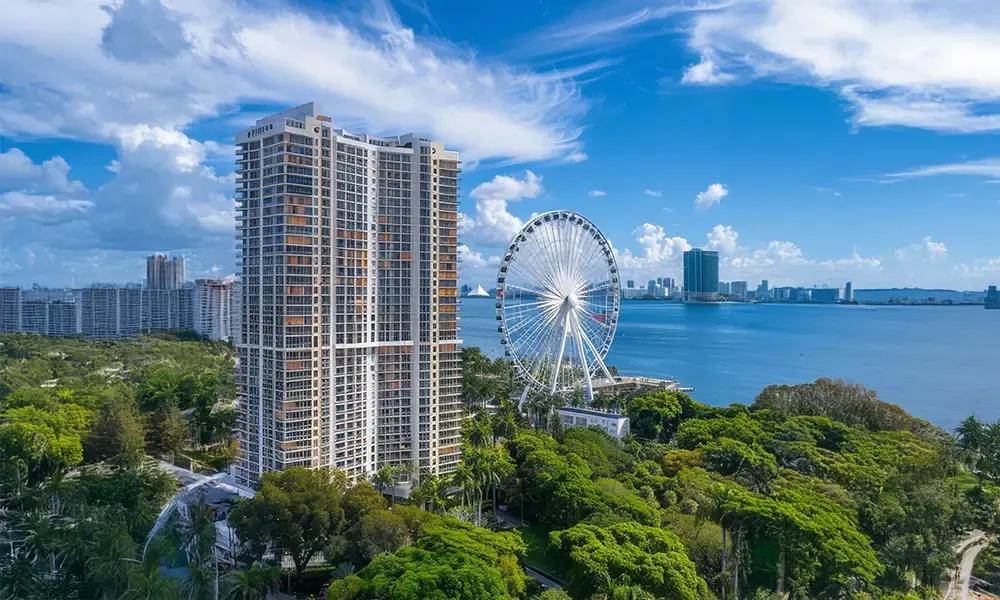
Mumbai, once known as the city of dreams, Bollywood, and its exquisite beaches, is today transforming the real estate dynamics of the country. Once characterised by colonial-era bungalows, low-rise buildings, and crumbling mill compounds, Mumbai is fast becoming a vibrant tableau of glinting high-rises, ambitious glass towers, and ultra-premium residential clusters.
While this vertical expansion is more than an architectural trend, it also represents a direct response to the city’s acute land scarcity, burgeoning demand for quality housing, and a wave of capital keen to seize the opportunities arising from this churn. Today, Non-Resident Indians (NRIs) stand at the frontline of this investment surge, driving record inflows, influencing design sensibilities, and altering the stakes for developers and policymakers alike.
This has been on the back of a sharp uptick in NRI investment momentum, buoyed by robust economic growth and positive regulatory and policy changes to the real estate ecosystem. After years of volatility, the 2025 numbers tell a different story. The NRI inflows into India soared to $14.55 billion between April 2024 and February 2025, representing a 23.3% year-on-year surge. This surge is not a one-off. For Indian real estate, the trendline is even more dramatic as the total NRI investment in this sector is projected to reach $16.3 billion in 2025, up from $14.9 billion in 2024, a substantial 9.2% annual jump. Specifically in Mumbai, the perennial heartbeat of India’s property market, accounts for the biggest slice. Mumbai today commands 31% of this total real estate investment, cementing its place as the country’s property goldmine for overseas investors.
So, what's making Mumbai the real estate hub of the country? Mumbai’s redevelopment boom is delivering ultra-modern apartments, integrated townships, and commercial hubs, aligning squarely with the luxury aspirations of NRIs. Today, many legacy properties are getting a facelift to make way for soaring towers sporting global amenities, green certifications, and the kind of digital infrastructure overseas buyers now expect as standard. In fact, according to the latest data, the Mumbai Metropolitan Region (MMR) has approximately 3,000 to 6,000 redevelopment projects taking place in Mumbai at various stages, spanning the gritty neighbourhoods of Dadar and Byculla to the tree-lined lanes of Bandra to the transformed mill lands of Lower Parel.
The Maharashtra government, having understood the economic and aspirational stakes, unveiled an ambitious framework to encourage landmark redevelopment projects with higher Floor Space Index (FSI), expedited approvals, and tax breaks for qualifying high-value projects. The intent is to catalyse the construction of iconic, globally relevant buildings and to reinforce Mumbai’s bid as a world-class investment and tourism destination.
City officials project that globally competitive skyscrapers and mixed-use towers may ultimately attract new businesses, bolster tourism, and draw heavier investment flows into the city. But this must be balanced with the realities of urban form. Mumbai’s redevelopment is often piecemeal, targeting one society at a time, resulting in a patchwork quilt of building clusters rather than a thoughtfully orchestrated skyline.
Modern towers are more resilient in the face of climate change. They come with better amenities, improved safety, and a sense of aspiration that echoes Mumbai’s legendary energy. For first-time homebuyers migrating from older buildings into redeveloped towers, it is a leap towards comfort and quality of life unmatched by the buildings of decades past. In the long haul, the hope is that the lessons of this frenetic phase of redevelopment give way to a more measured, equitable cityscape, one that fuses density with dignity, verticality with vibrancy, and ambition with inclusivity.
It is this momentum that fuels anticipation and excitement about what shape Mumbai’s skyline could take by 2030.