The Sunday Test: What Your Home Feels Like When You’re Not in a Hurry

23 Aug 2026
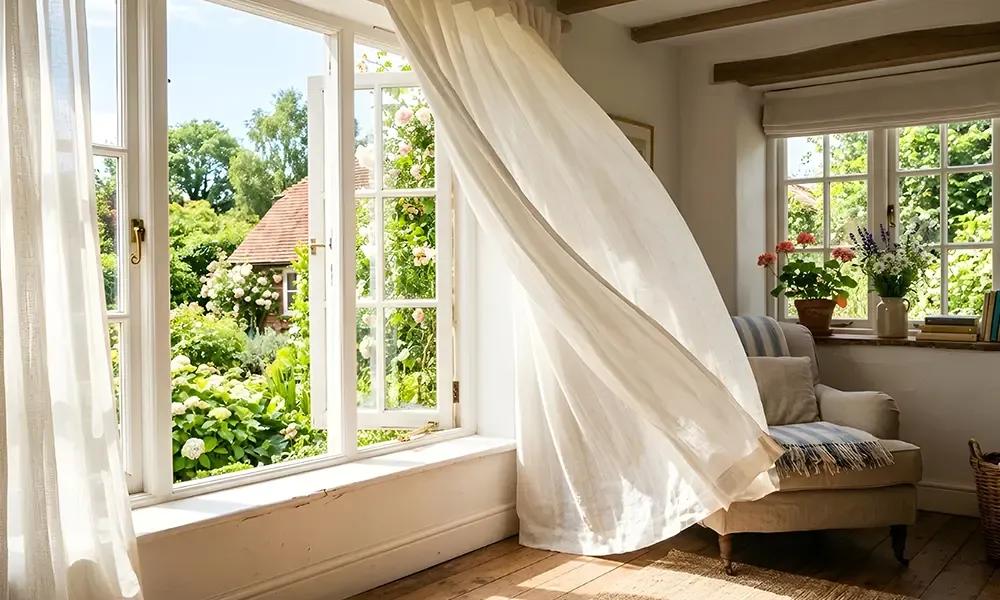
Most property visits happen in decision mode. Buyers arrive with a checklist, a budget, a preferred configuration, and a few urgent questions. They look at the floor plan, check the view, ask about possession, compare amenities, discuss pricing, and move on to the next option. Everything feels practical, fast, and slightly pressured.
But a home is not experienced only in rushed moments. A home is also experienced slowly. It is where you wake up without an alarm, drink tea near a window, cook without watching the clock, sit with family, read quietly, watch the rain, host friends, or do absolutely nothing for a while. These slow moments reveal something that brochures, sample flats, and price sheets cannot always show.
That is the idea behind the Sunday Test.
The Sunday Test asks a simple question: what does this home feel like when you are not in a hurry? It helps buyers understand whether a property supports comfort, rest, light, movement, togetherness, privacy, and emotional ease. A home may pass the weekday test by being close to work, school, and daily conveniences. But if it fails the Sunday Test, it may not feel satisfying in the long run.
What Is the Sunday Test?
The Sunday Test is a way of evaluating a home through the lens of a slow, ordinary day. Instead of asking only whether the property fits your budget or commute, you ask whether it supports the kind of life you want when there is no immediate pressure.
Can you imagine a relaxed morning here? Does the living room feel comfortable when the family gathers? Does the kitchen support slow cooking? Is the balcony usable? Is there enough natural light? Does the bedroom feel restful? Can children play safely? Does the neighbourhood feel pleasant when you step out?
These questions may sound emotional, but they are deeply practical. A home is not only a financial asset. It is a daily environment. The Sunday Test helps buyers judge the quality of that environment.
Why Sundays Reveal the Truth About a Home
Weekdays test efficiency. Sundays test belonging.
On a weekday, you may be focused on commute time, lift speed, parking, school runs, office calls, meal prep, and errands. These are important factors. A home must support busy routines. But Sundays reveal a different side of living.
You notice the morning light. You hear the neighbourhood sounds. You understand whether the balcony feels peaceful or exposed. You see if the living room can hold family time. You realise whether the home feels warm, dull, cramped, noisy, open, or calm.
A house that works only as a weekday machine may not offer emotional comfort. A good home should help you move through busy days and recover during slow ones.
The Morning Light Test
Natural light is one of the most underrated parts of homebuying. Buyers often notice room size more than light quality, but light affects mood, comfort, and how a home feels throughout the day.
During the Sunday Test, imagine waking up and stepping into the living room. Does the space feel bright and fresh, or does it feel dark and closed? Does sunlight enter the rooms in a pleasant way? Can you open the windows and let the home breathe?
Morning light can make a home feel more cheerful. It helps plants grow, supports a better breakfast routine, and makes the living space feel inviting. A dark home may still look stylish under showroom lighting, but it can feel heavy during daily life.
A good home should not depend on artificial lighting all day. It should have enough natural brightness to feel alive.
The Sound Test
Noise becomes more noticeable when you are not rushing. During a quick site visit, you may ignore traffic, construction, generator sound, lift movement, corridor echo, or nearby commercial activity. But once you live there, these sounds become part of everyday life.
The Sunday Test asks you to listen.
Stand in the living room quietly. Open the balcony door. Sit in the bedroom. Notice what you hear. Is the sound comfortable, normal, and manageable? Or does it feel stressful?
Every urban home will have some noise. Complete silence is unrealistic in a city. But there is a difference between a lively neighbourhood and constant disturbance. Honking, construction, loud equipment, and heavy traffic can affect rest over time.
A home should allow you to slow down. If it never feels peaceful, it may become tiring.
The Balcony Test
A balcony often looks attractive on a floor plan, but the real question is whether you will use it.
During the Sunday Test, imagine standing there with a cup of tea. Is there enough space to sit? Does the view feel open or blocked? Is there privacy from neighbouring towers? Is it too dusty, noisy, or hot? Can it hold plants, a small chair, or a quiet moment?
A usable balcony can become one of the most loved parts of a home. It can support morning tea, evening conversations, reading, gardening, phone calls, rain watching, or simple fresh air.
But a poorly placed balcony may remain unused. If it faces a blank wall, busy road, or another apartment too closely, it may become decorative rather than functional.
The Sunday Test helps you see the difference.
The Kitchen Comfort Test
Sundays often begin or unfold in the kitchen. Tea, breakfast, slow cooking, meal prep, family snacks, and occasional guests all pass through this space. That is why kitchen comfort matters.
A kitchen should not only look neat. It should work hard without making daily tasks frustrating. Check counter space, storage, ventilation, appliance placement, utility access, sink position, and movement area.
Can two people work in the kitchen at the same time? Is there enough room for Indian cooking? Can groceries be stored easily? Is the utility area practical for washing, drying, and cleaning supplies?
Many homes look modern but fail in kitchen usability. The Sunday Test reminds buyers that real homes are lived through repeated routines, not only through design photographs.
The Living Room Togetherness Test
The living room is where a home’s social life often gathers. On Sundays, this space may hold television time, conversations, children’s play, guests, snacks, reading, or afternoon rest.
Ask whether the living room feels naturally usable. Can furniture be placed comfortably? Is there enough wall space? Does the dining area connect well? Is the room too narrow? Does it feel bright and welcoming?
A good living room should support both everyday family life and occasional hosting. It should not feel impressive only when empty. It should feel comfortable when people, furniture, bags, toys, food, and conversations enter it.
The Sunday Test helps you imagine the living room as a lived space, not a staged space.
The Privacy Test
Slow days also reveal how much privacy a home offers. Privacy does not always mean isolation. It means each person can find some personal space when needed.
In a family home, someone may want to nap while others watch television. A child may need a quiet study corner. A working professional may need to take a call. A senior resident may want a peaceful room. Guests may need comfort without disturbing the household.
Check whether bedrooms are placed well. See if the main door opens directly into private areas. Understand whether bathrooms are conveniently located. Notice whether sound travels too easily between rooms.
A good home allows togetherness and separation. Both are necessary for long-term comfort.
The Neighbourhood Walk Test
A home is not limited to its walls. The neighbourhood becomes part of your everyday life. On a Sunday, step outside and walk around the area if possible.
Does the neighbourhood feel safe? Are there shops nearby? Is there a place to buy coffee, groceries, medicines, or snacks? Are the roads walkable? Is there too much traffic? Are families visible? Are public spaces maintained? Does the area feel active without being chaotic?
This walk can reveal whether the location supports a relaxed life. A property may have a beautiful apartment, but if stepping outside feels stressful, the overall living experience becomes weaker.
The best homes are supported by neighbourhoods that make small routines easier.
The Amenity Use Test
Amenities are often presented beautifully during sales conversations. Swimming pools, gyms, clubhouses, walking tracks, co-working spaces, children’s play areas, and landscaped zones can all sound impressive.
But the Sunday Test asks whether these amenities are actually usable.
Are children playing in the designated areas? Are walking paths comfortable? Is the gym maintained? Are seating areas shaded? Does the clubhouse feel active? Are senior citizens using common spaces? Is the community clean and organised?
Unused amenities are only marketing features. Used amenities create lifestyle value.
For families, this is especially important. A good residential community should support life beyond the apartment. It should create safe and comfortable spaces where residents can move, meet, relax, and belong.
The Maintenance Test
Sunday is also a good time to observe maintenance. When you are not rushing, you notice details more clearly.
Look at the lobby, lifts, corridors, parking areas, gardens, waste areas, security desk, lighting, and common spaces. Do they feel clean and cared for? Are lifts working smoothly? Are walls already stained? Is parking organised? Are common areas pleasant?
Maintenance affects both comfort and long-term value. A poorly maintained project can lose appeal quickly, even if the location is good. A well-maintained community feels better to live in and usually attracts stronger resale and rental interest.
The Sunday Test helps buyers judge how the property may age.
The Emotional Fit Test
At some point, the Sunday Test becomes less about individual features and more about feeling. Can you imagine belonging here?
This does not mean the decision should be purely emotional. Legal checks, builder reputation, pricing, carpet area, possession status, and financial planning still matter. But emotion has a place in homebuying because a home is where life unfolds.
A property may be technically correct but emotionally cold. Another may be slightly smaller but feel more comfortable, warmer, and more natural to live in.
The right home should give both confidence and comfort.
How Buyers Can Use the Sunday Test
Buyers can use the Sunday Test before booking by visiting the property during a calmer part of the week, preferably when they have enough time to observe. If an actual Sunday visit is not possible, use the same mindset during any slower visit.
Do not rush. Stand in each room. Open windows if allowed. Check the balcony. Walk through the approach road. Observe light, air, noise, and movement. Imagine a regular Sunday morning, afternoon, and evening.
Ask yourself whether the home supports rest, family time, cooking, hobbies, guests, children, work, and quiet moments.
A home that passes this test is more likely to feel satisfying after the excitement of buying has settled.
When the Sunday Test Fails
If the home feels uncomfortable when imagined slowly, do not ignore it. Maybe the living room is too dark. Maybe the balcony is unusable. Maybe the approach road feels unsafe. Maybe the noise is too high. Maybe the layout does not support your family’s rhythm.
These may seem like small issues during purchase, but they become large irritations after moving in.
The Sunday Test is valuable because it catches discomfort early. It gives buyers permission to pause, compare, or choose a better-suited unit.
A good property decision should not feel forced. It should feel steady.
Conclusion
The Sunday Test is a simple but powerful way to understand whether a home truly fits your life. It moves the focus beyond price, size, amenities, and location, and asks how the home feels when life slows down.
A good home should support busy weekdays, but it should also protect quiet Sundays. It should offer light, comfort, usable spaces, privacy, community, and a neighbourhood that makes small routines easier.
When a home passes the Sunday Test, it becomes more than a good property on paper. It becomes a place where everyday life can feel natural, calm, and complete.

