Why EV Charging Stations Are Becoming Essential in Modern Apartments

27 Nov 2026
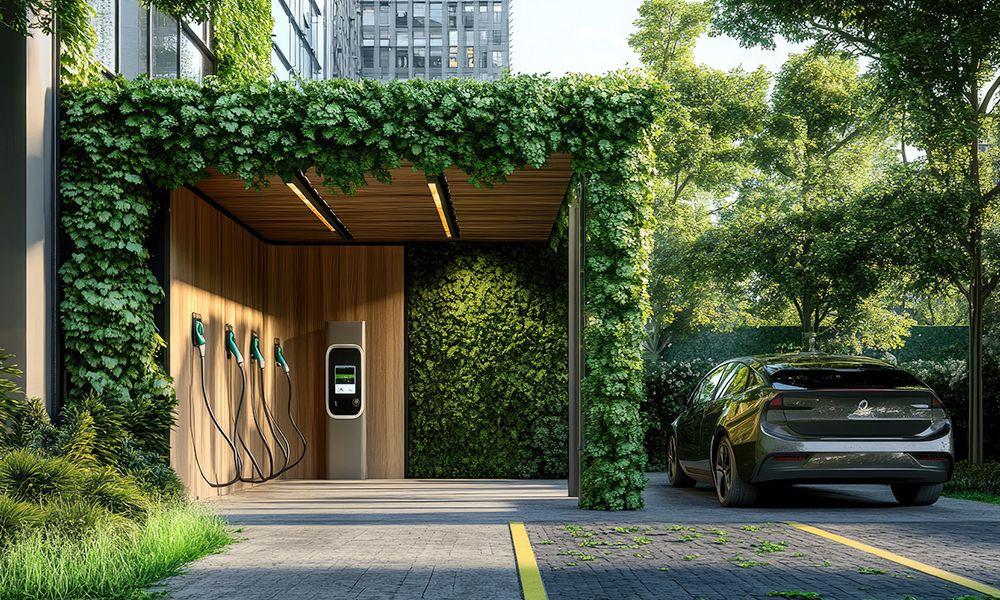
A few years ago, an electric car in an apartment parking lot was something residents stopped to look at. Today, in many communities in Bengaluru, Pune, Hyderabad and Delhi NCR, it's an ordinary sight. Electric scooters line the two-wheeler bays, a couple of electric cars sit in the basement, and the residents' association WhatsApp group has at least one long thread about where people are supposed to charge them.
That question, where to charge, has become one of the most practical issues in apartment living.
For someone in an independent house, charging an electric vehicle is fairly simple. You install a charger in the garage or porch and plug in overnight. In an apartment, it's more complicated. Parking is shared, electrical connections run through common infrastructure, and any change usually needs approval from the management or the residents' association.
That's why EV charging is moving from a nice extra to something buyers actively look for. A building that's ready for electric vehicles saves residents a great deal of hassle, and one that isn't can leave them stuck.
Electric Vehicles Are Becoming Part of Everyday Life
Electric two-wheelers have grown quickly in Indian cities, and electric cars are following. More models are available across price points, running costs are often lower than for petrol or diesel, and many buyers like the idea of a quieter, cleaner vehicle.
For daily city use, an EV fits most routines well. A typical commute, school run or trip to the market is well within the range of most electric cars and scooters. The one condition is reliable charging, and for most owners that means charging at home.
Public charging networks are expanding, but home charging remains the most convenient option for most people. Plugging in overnight and starting each day with a full battery is far easier than planning trips around public chargers or waiting at a station.
That puts the spotlight firmly on where people live. For apartment residents, the building's readiness for EVs often decides whether owning one is easy or frustrating.
The Challenge of Charging in an Apartment
Many existing apartment buildings weren't designed with electric vehicles in mind.
Parking spaces may be far from an electrical supply point. The building's electrical load may not have been planned to handle several cars charging at once. Running a cable from an individual flat's meter down to the basement can be messy, expensive and sometimes unsafe if not done properly.
There are also practical questions to settle. Who pays for the installation? How is electricity usage measured and billed? What happens if a resident doesn't have a fixed parking slot? Can someone install a charger without the association's consent?
These issues often lead to delays and disagreements. An EV owner might wait months for approval, or give up and depend on public charging. Other residents may worry about safety, shared costs or the fair use of common facilities.
A building planned for EV charging from the start avoids most of these problems.
What EV-Ready Apartments Offer
An EV-ready apartment community provides the infrastructure residents need to charge their vehicles safely and conveniently.
At a basic level, this might mean electrical conduits and wiring already run to parking areas, so a charger can be installed later without major work. Some projects go further and provide charging points at a share of parking spaces, or dedicate a common charging area that all residents can use.
The most common setup is an individual charger at each allotted parking slot, connected to the resident's own meter or a separate sub-meter. Other communities opt for shared charging stations in the basement or podium, with usage tracked through an app or a card system. Many combine the two, using slow AC chargers for overnight charging and keeping a faster charger available for quick top-ups.
The best systems are planned with the building's overall electrical capacity in mind, so that several vehicles can charge without overloading the supply.
Convenience That Changes the EV Experience
The biggest benefit of charging at home is convenience. An EV owner with a charger at their parking slot simply plugs in at night and unplugs in the morning. There's no detour to a public station and no waiting.
For working professionals with long days, this makes a real difference. Their car is always ready, and they rarely need to think about charging at all.
It also makes EV ownership more practical for families. A household with an electric car for daily use and an electric scooter for short trips can charge both at home without any special planning.
Over time, this convenience is likely to influence buying decisions. A family thinking about switching to an electric vehicle may be more willing to do so if their building already supports it, and less willing if it doesn't.
Don't Forget Electric Two-Wheelers
Electric cars get most of the attention, but in many Indian apartment complexes, electric scooters far outnumber them.
They're popular for short commutes, college runs and quick trips to the market, and they're often the first EV a household buys. Charging them is simpler than charging a car, since most need only a properly installed socket and a few hours. Even so, residents shouldn't be left to run extension cords from their flats or remove batteries and charge them in living rooms.
A dedicated two-wheeler charging area with safe sockets, good ventilation and some protection from rain is a modest investment for a residential community. It keeps charging out of homes and corridors, reduces fire risk and saves residents a daily chore. For communities where scooters are common, this may matter more in the short term than car chargers.
Safety Comes First
Charging an electric vehicle involves high electrical loads over several hours, so safety has to be taken seriously.
Chargers should be installed by qualified electricians using equipment that meets the relevant standards. Wiring, earthing and circuit protection all need to be correct. A charger plugged into an ordinary socket through a long extension cord in a basement isn't a safe long-term arrangement.
Parking areas with charging points should also have good ventilation, fire safety equipment nearby and clear signage. Regular inspection of chargers and cables helps catch wear before it becomes a hazard.
Residents' associations play an important role here. Clear guidelines on how chargers are installed, who approves them and how they're maintained help keep the whole building safe and give other residents confidence.
Fair Billing and Shared Costs
One of the most common sources of friction around EV charging in apartments is money.
If a charger is connected to the common electrical supply, someone has to make sure the EV owner pays for the electricity they use. Otherwise, other residents end up sharing the cost through their maintenance charges, which understandably causes resentment.
Well-planned systems solve this with dedicated meters or smart chargers that track usage and bill it to the right person. Some shared charging stations work on a prepaid or app-based model, so residents pay only for what they use.
Installation costs need a clear policy too. In some communities, each EV owner pays for their own charger. In others, the association invests in shared infrastructure and recovers the cost through usage fees. Either approach can work, as long as it's transparent and agreed upon.
Planning for the Future
Even residents who don't own an electric vehicle today may want one in a few years. A building that has planned for this is far better placed than one that will need costly upgrades later.
Developers who build in EV readiness from the start can plan the electrical load, cable routes and parking layout properly. Retrofitting an older building is possible, but it tends to be more expensive and disruptive.
Building rules are also moving in this direction. Several Indian states and cities have updated their regulations to encourage or require EV charging provisions in new residential projects. Buyers looking at under-construction projects may want to ask how the developer is meeting these requirements in their area.
Some forward-looking communities are combining EV charging with solar panels on rooftops or parking structures. This can help offset some of the electricity used for charging and reduce overall energy costs, though the benefit depends on the scale of the installation and local conditions.
Clear Rules Make Shared Charging Work
Where charging points are shared, a few simple rules go a long way.
Residents should move their vehicles once charging is finished so others can use the point. Booking systems or time limits can help when demand is high, especially in the evenings. Guidelines on visitor charging, whether it's allowed and how it's billed, prevent confusion later.
Clear rules also protect residents who don't own EVs. They should be confident that charging won't eat into common parking, raise their maintenance bills or create safety risks. When the arrangement is fair and well communicated, EV charging tends to become an accepted part of community life instead of a regular source of argument.
EV Charging and Property Value
Will EV charging make an apartment more valuable? It's too early to say with certainty, and no single amenity automatically raises property prices.
Long-term value still depends on location, connectivity, construction quality, maintenance and market demand. A charging point won't make up for a poor location.
What EV readiness can do is make an apartment more appealing to a growing group of buyers and tenants. As electric vehicles become more common, a home that already supports them may stand out from similar properties that don't. For tenants who own EVs, a building without charging options may simply not be on the shortlist.
In that sense, EV charging is becoming one of those features buyers expect to see, much like power backup or covered parking became standard expectations over time.
What Homebuyers Should Ask
If you own an electric vehicle or plan to buy one, it's worth asking specific questions before choosing an apartment.
Does the project offer charging points at individual parking slots, shared charging stations, or both? Is the wiring already in place, or will chargers need to be installed later? What type of chargers are provided, and how fast are they?
Ask how electricity usage is metered and billed. Find out whether there are rules about installing your own charger and who needs to approve it. Check whether two-wheeler charging is also available.
In an existing community, talk to residents who already own EVs. They'll quickly tell you whether charging is easy or a constant headache.
Finally, ask about the building's electrical capacity. A project with a handful of charging points today should have a plan for adding more as demand grows.
Conclusion
Electric vehicles are becoming part of everyday life in Indian cities, and apartments need to keep up. For residents, the ability to charge at home is what makes owning an EV practical and convenient.
Modern apartments that plan for EV charging, with safe installations, fair billing and room to grow, remove one of the biggest obstacles to switching to electric. They also show that the community is thinking about how people will live in the years ahead.
For buyers, EV readiness is fast becoming a sensible thing to check, even if an electric vehicle is still a future plan. A home that's ready for the way people will travel tomorrow is likely to stay relevant for much longer.

