Why Luxury Residential Communities Are Gaining Popularity

27 Nov 2026
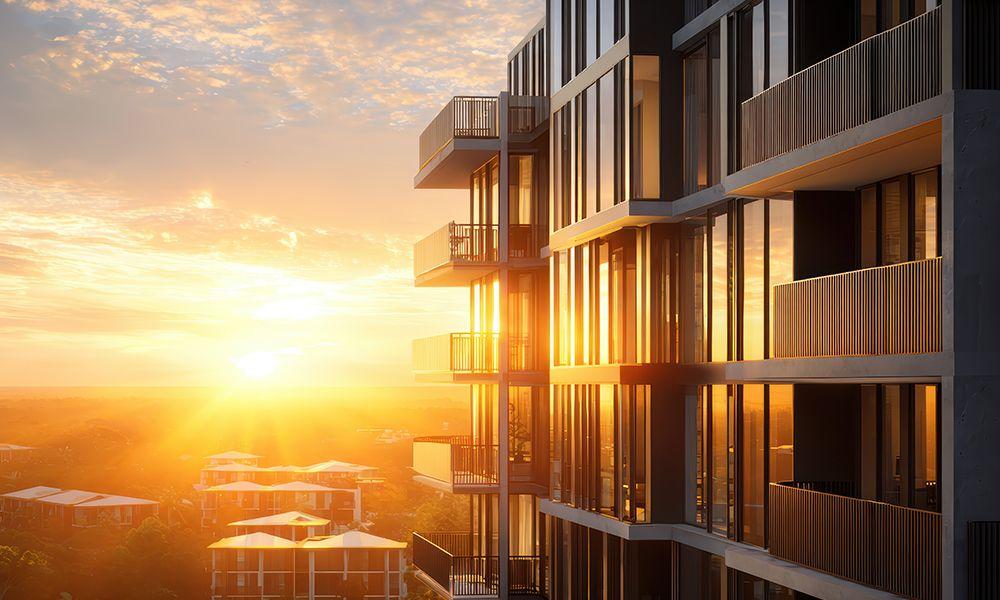
There was a time when buying a luxury home meant choosing a prestigious address, a larger apartment, and perhaps a few high-end fittings. A marble-finished lobby, imported fixtures, and an impressive entrance were often enough to create that sense of exclusivity. Today, luxury homebuyers are looking for something quite different.
They want a home that makes everyday life better.
Think of a family living in a busy Indian city. Both parents have demanding jobs, their children need space to play, and weekends often disappear between grocery shopping, errands, and travelling across town. For such a family, the appeal of a luxury residential community is not limited to a grand clubhouse or swimming pool. It is the possibility of enjoying more of life's comforts without constantly stepping outside the residential complex.
This change in expectations is one of the reasons luxury residential communities are gaining popularity across India. Buyers with the financial means to upgrade are paying greater attention to privacy, open spaces, security, lifestyle amenities, and the overall experience of living in a well-planned neighbourhood.
The Meaning of Luxury Has Changed
Luxury is no longer just about what a home looks like. It is increasingly about how it feels to live there.
A beautiful living room certainly matters, but so does having enough natural light throughout the day. A large balcony looks attractive in photographs, but it becomes far more valuable when there is enough privacy to enjoy a quiet cup of tea.
Similarly, a swimming pool or fitness centre adds value only when residents can use it comfortably.
Many buyers are now looking beyond decorative features and asking practical questions. Does the apartment feel spacious? Are the common areas crowded? Can children play safely? Is the building well maintained?
These considerations may seem ordinary, but they often separate a genuinely comfortable luxury home from an expensive apartment with premium finishes.
More Space for the Way Families Live Today
One of the clearest changes in homebuyer preferences is the demand for larger, more flexible living spaces.
Indian families often need their homes to serve several purposes. A bedroom may double as a study. The dining table may occasionally become a workstation. A spare room can be useful when parents or relatives visit.
Over time, these needs can make a compact apartment feel restrictive.
Luxury residential projects generally cater to buyers who want greater flexibility, offering larger living areas, spacious bedrooms, additional storage, and, in some cases, dedicated study rooms or private decks.
The appeal is not simply owning more square footage.
It is being able to host friends without rearranging the entire house, work without disturbing the family, and give everyone enough personal space.
For buyers planning to remain in the same home for many years, these everyday comforts can justify the decision to upgrade.
Privacy Is Becoming a Major Priority
Privacy has become an important consideration for buyers exploring premium homes.
In many apartment buildings, residents share walls, corridors, lifts, and common areas with several neighbouring households. While this is a normal part of apartment living, some buyers want a more private residential experience.
Luxury developments may offer fewer apartments per floor, better spacing between buildings, more thoughtfully positioned balconies, and layouts that reduce direct visibility into neighbouring homes.
For families accustomed to independent houses, these details can make apartment living more appealing.
Privacy also influences how comfortably people use their homes. A balcony that faces directly into another apartment may not feel particularly relaxing, regardless of how beautifully it is designed.
Buyers are beginning to recognise that privacy is not something that can easily be added through interior decoration.
It needs to be considered when the home is planned.
Convenience Has Become a Form of Luxury
In cities such as Bengaluru, Mumbai, and Hyderabad, time can feel like the most expensive thing people have.
Office commutes, school runs, shopping trips, and other responsibilities can take up a substantial part of the day.
This is where well-planned residential communities become attractive.
Imagine finishing work and being able to visit the gym without driving to another location. Children can attend activities within the complex, while parents have access to spaces where they can exercise or relax.
Some larger communities also provide convenience stores, cafés, parcel-management facilities, and other everyday services.
Not every luxury development offers these facilities, but the underlying idea is increasingly relevant.
People are willing to pay for homes that make daily routines easier.
For many households, saving time and reducing unnecessary travel can be more valuable than an elaborate feature they will rarely use.
Clubhouses Are Becoming Lifestyle Destinations
A clubhouse was once seen primarily as a place for occasional gatherings.
Today, buyers expect much more from it.
Modern luxury communities may include indoor sports areas, swimming pools, lounges, fitness centres, multipurpose halls, reading rooms, and recreational facilities.
Some also provide co-working spaces or business lounges for residents who work remotely.
These facilities allow people to enjoy different activities without having to travel outside their residential community.
They also make hosting more convenient. A birthday celebration, festival gathering, or family event can sometimes be organised within the complex rather than at an external venue.
However, buyers should pay attention to how these facilities are managed.
A large clubhouse sounds impressive, but its real value depends on accessibility, maintenance, and whether residents can use it without constant overcrowding.
Wellness Is No Longer an Afterthought
Health and wellness are playing a bigger role in residential design.
For professionals spending long hours at their desks, having a gym, walking track, or swimming pool close to home can make maintaining an active routine easier.
Luxury communities increasingly include yoga spaces, landscaped gardens, meditation areas, and other facilities intended to encourage healthier living.
But wellness does not have to mean an elaborate spa.
Sometimes, a shaded walking path, a quiet garden, or a comfortable outdoor seating area can make a greater difference to everyday life.
These are spaces where residents can step away from screens, enjoy fresh air, or unwind after a demanding day.
For buyers, the important question is whether the amenities suit their habits.
A family that enjoys outdoor walks may benefit more from landscaped pathways than from several specialised recreational facilities.
Families Want Communities That Work for Every Generation
Luxury residential communities are also attracting buyers who want their homes to accommodate different generations comfortably.
This is particularly relevant in India, where parents, children, and grandparents may live together or visit frequently.
A community designed only for young adults may not meet everyone's needs.
Families often appreciate children's play areas, indoor activity rooms, safe walking spaces, comfortable seating, and accessible common facilities.
For senior residents, features such as ramps, handrails, smooth pathways, reliable lifts, and well-maintained gardens can make daily life easier.
These details rarely create the same excitement as a rooftop pool or grand entrance.
Yet they are often more important when a household is thinking about the next ten or fifteen years.
A home that can accommodate changing family needs may remain comfortable for longer.
Security Offers Peace of Mind
Security is another reason buyers are drawn to organised residential communities.
Controlled entrances, visitor management, trained security personnel, CCTV systems, and fire-safety arrangements can provide reassurance, particularly for families with children and senior members.
For professionals who frequently travel, dependable building management can also be valuable.
However, security should not be judged by the number of cameras installed.
Buyers should understand how visitors are managed, whether emergency procedures are established, and how regularly safety systems are maintained.
A secure community should make everyday life feel comfortable rather than complicated.
Good security often works quietly in the background, allowing residents to go about their routines without unnecessary concern.
A Sense of Community Matters Too
One advantage of living in a well-planned residential development is the opportunity to build relationships with neighbours.
This can be particularly meaningful for people who have relocated to a new city for work.
Shared amenities, children's activities, festive celebrations, and community gatherings create natural opportunities for residents to meet.
During festivals such as Diwali, Onam, or Durga Puja, common spaces can become places where families celebrate together.
For children, friendships within the complex can make weekends and school holidays more enjoyable.
For senior residents, knowing familiar faces in the neighbourhood can create a stronger sense of belonging.
Of course, community life depends on the residents themselves.
Still, having spaces designed for interaction makes it easier for these relationships to develop.
Hybrid Work Has Changed What Buyers Expect
Working from home has influenced the way many professionals evaluate residential properties.
A home that seemed perfectly adequate when everyone spent most of the day outside may feel different when one or two family members are regularly attending meetings from home.
Buyers now pay closer attention to room layouts, ventilation, natural light, sound insulation, and the availability of a dedicated workspace.
In larger homes, an additional bedroom may serve as a study. In some communities, co-working lounges provide an alternative to working from the dining table.
The appeal lies in flexibility.
Residents want homes that can adapt to changing work arrangements without compromising personal comfort.
For professionals with hybrid schedules, this can be a meaningful reason to consider a more spacious residential community.
Location Still Makes a Difference
Luxury amenities cannot compensate for every inconvenience outside the project.
A residential community may offer excellent facilities, but if reaching the office, school, or hospital involves a difficult journey, everyday life can still become stressful.
This is why location remains central to luxury housing decisions.
Some buyers prefer established neighbourhoods because they offer mature infrastructure, familiar surroundings, and easy access to important destinations.
Others are comfortable exploring emerging corridors where newer projects may offer larger homes and more extensive amenities.
Neither approach is automatically better.
The right choice depends on where family members work, which schools they attend, how frequently they travel, and the kind of neighbourhood they prefer.
A luxury address should make life easier, not simply sound impressive.
Why Maintenance Quality Is So Important
Luxury facilities come with ongoing responsibilities.
Swimming pools require regular cleaning, fitness equipment needs servicing, gardens must be maintained, and security systems need supervision.
These expenses are generally reflected in maintenance charges or other community costs.
Buyers sometimes focus so heavily on the initial appearance of a project that they overlook the cost of maintaining it.
This can become an issue after possession.
A well-managed residential community should have clear maintenance arrangements, realistic budgets, and transparent rules for using shared facilities.
For buyers considering premium homes, it is worth understanding these details before booking.
Luxury living should continue to feel comfortable years after moving in, not just during the first few months.
Are Luxury Homes a Better Investment?
Luxury residential communities may offer advantages such as distinctive layouts, premium locations, limited supply, and strong lifestyle appeal.
These features can attract interest from buyers looking to upgrade their homes.
However, a luxury apartment is not automatically a better investment than a mid-segment property.
Higher purchase prices can limit the number of potential resale buyers. Maintenance costs may also be substantial, while rental yields depend on the local market and tenant demand.
A premium property purchased at an inflated price may take longer to deliver satisfactory returns.
Buyers should therefore separate lifestyle value from investment performance.
For someone purchasing a permanent family home, the comfort and convenience of a luxury community may justify the additional expense.
For an investor, purchase price, rental demand, resale potential, and ongoing costs require closer examination.
What Buyers Should Look for Before Booking
The best way to evaluate a luxury residential community is to imagine living there on an ordinary weekday.
How easy will it be to leave for office in the morning? Can children reach school without an exhausting commute? Is the gym conveniently located? Will the balcony offer enough privacy? Are the lifts and parking areas designed for the number of residents?
These questions reveal far more than a long list of premium specifications.
Buyers should also review construction quality, developer credibility, RERA details, legal approvals, maintenance arrangements, and the status of promised amenities.
Where possible, visiting an occupied project developed by the same builder can offer useful insight into long-term maintenance quality.
A luxury home is a significant purchase. It deserves the same attention to practical details as it receives for design and aesthetics.
Conclusion
Luxury residential communities are gaining popularity because buyers are beginning to value the complete living experience.
They are looking for spacious homes, greater privacy, reliable security, wellness facilities, community spaces, and conveniences that make everyday life more enjoyable.
For many Indian families, the decision to move into a luxury community is not simply about upgrading to a more expensive address. It is about finding a home that supports their changing needs, gives them more time together, and offers comforts they can enjoy regularly.
However, the most impressive project is not always the most suitable one. Location, layout, construction quality, maintenance, and financial comfort still deserve careful consideration.
At its best, luxury living is not about having everything. It is about having the things that genuinely make a difference to the way you live.
Explore Luxury Apartments- https://www.puravankara.com/

