Will Home Prices Rise or Fall in 2026? Key Local Signals Every Buyer Should Watch

04 Oct 2025
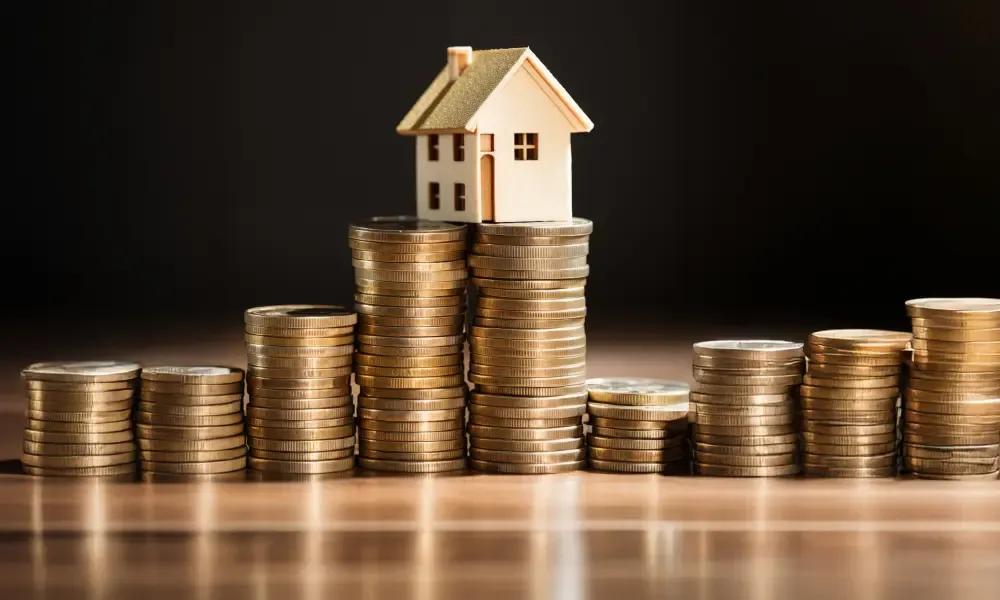
Every homebuyer wants clarity before making a big financial move. The question many people are asking right now is simple: will house prices go up 2026, or is the market heading toward a cool-off? While national trends offer direction, the real story often plays out at the local level. When you understand the signals in your own market, you get a clearer picture of pricing, demand, and the right time to buy.
This guide explains the signals that matter, how they affect pricing, and what buyers should watch as we move toward 2026. With balanced insights and a focus on India’s housing landscape, you’ll be able to judge whether home prices may rise or fall based on real data and patterns.
1. Look at Demand: How Many Buyers Are Actively Searching?
One of the strongest indicators of whether house prices will go up 2026 is the level of buyer demand. When more people are looking to purchase than the number of homes available, prices naturally rise. This often happens in markets close to IT hubs, job-producing corridors, and new industrial zones.
High demand usually shows up through:
• Faster sales cycles
• More site visits
• Competitive bidding in popular areas
• Builders launching new phases early
If your area shows consistent buyer activity, it's a sign that home values are positioned to appreciate. When demand softens, price growth slows, but that doesn’t always mean a sharp correction. It usually points to stable pricing with smaller gains.
2. Watch Supply Levels: Are More Homes Entering the Market?
Supply is the balancing factor. To understand will home prices rise or fall 2026, track how many new homes are being launched and how many ready units are available. When supply stays low and controlled, prices remain firm. When supply increases faster than demand, price pressure builds.
Key supply factors include:
• New project launches across micro markets
• Inventory overhang (months needed to sell current stock)
• Plot developments and new townships
• Delays or faster completion cycles
A short supply often leads to price stabilisation or steady appreciation, especially in metro fringe locations. Oversupply typically affects mid-income and plotted segments before premium housing.
3. Track Infrastructure Projects That Change Market Dynamics
To understand real estate price trends 2026, watch the impact of new infrastructure. Roads, metro lines, airports, industrial parks, and upcoming tech corridors can shift demand quickly. Buyers often rush to these growing corridors, causing prices to rise earlier than expected.
Projects that influence pricing include:
• Metro line expansions
• Expressway connections
• SEZ and tech park developments
• New economic zones (e.g., industrial and defence corridors)
• Airport expansions
When infrastructure reduces travel time, property prices in those belts tend to grow over the next three to five years. If your market has major upcoming infrastructure, it supports the answer that house prices will go up 2026 is likely yes.
4. Follow Rental Trends: They Reveal Real Demand
Rental demand often tells a market’s real story. When rents rise, it usually means there is strong end-user demand. High rental yields show that people want to live in that area, which supports future price appreciation.
Signals to watch:
• Lower vacancy rates
• Higher rental yield
• Strong demand for 2 BHK or 3 BHK homes
• Corporate leasing growth
If rents are climbing faster than home prices, it may also indicate an attractive entry point for buyers who plan to invest.
5. Consider Economic Factors: Interest Rates, Inflation And Policy
The broader economic environment influences whether home prices rise or fall 2026. Interest rates, affordability, and policy decisions all shape buyer confidence.
Key indicators include:
• Interest rate movements
• Inflation levels
• Government policies affecting real estate 2026
• Income growth trends
• Tax benefits for homebuyers
Lower interest rates typically boost demand and support price growth. Stable inflation and steady job creation also encourage more buyers to enter the market. Policy announcements like PMAY reforms, digital land records, or tax updates can shift momentum quickly.
Should You Buy Now or Wait for 2026?
Many buyers wonder whether to wait for potential corrections or secure a home now. The honest answer depends on your local market. If demand is consistently strong and supply remains limited, waiting may increase your cost. If your area shows signs of oversupply, prices may remain stable for longer.
However, with rising construction input costs and steady urban migration, most experts expect a gradual upward movement rather than a major price drop. So if you're asking should I buy a house in 2026, your best guide is the set of signals around your chosen neighbourhood.
Long-Term View: Real Estate Remains a Stable Asset
Even as you analyse home buying predictions 2026, it helps to remember that real estate is a long-term asset. India’s growing population, urbanisation trends, and service-economy growth continue to support steady price appreciation.
Investors looking for a reasonable entry point can focus on:
• Emerging growth corridors
• Locations with high rental movement
• Projects backed by strong developers
• Areas with long-term infrastructure plans
These pockets offer both short-term stability and long-term appreciation, regardless of small market fluctuations.
FAQs
Will house prices go up in 2026 across India?
Prices in most markets are expected to stay stable or move upward gradually. Demand in urban and suburban locations remains strong, and supply is controlled. Local factors will shape the exact growth, so tracking demand, supply, infrastructure, and rental trends will give you a clearer picture of what to expect in 2026.
What signals show that prices may rise by 2026?
Strong buyer demand, low inventory, new infrastructure, and high rental movement are early signs of price growth. When these factors align, prices usually appreciate steadily. If interest rates drop or remain stable, momentum strengthens. These local indicators help you understand whether your chosen area is likely to see price gains in 2026.
Can home prices fall in 2026?
A drop is possible, but only in markets where supply expands faster than demand or where oversupply already exists. Economic slowdowns or sharp interest rate hikes can also delay growth. In most major Indian cities, developers are controlling supply carefully, which limits sharp corrections and supports steady pricing.
Should I buy now or wait until 2026?
Your decision should depend on current local signals. If demand is strong and supply is tight, prices may rise before 2026. If your area shows slow absorption or higher inventory, you may have more time. Evaluate affordability, rental trends, and upcoming infrastructure before deciding when to buy.
How do interest rates affect 2026 home prices?
Lower interest rates increase affordability and usually push more buyers into the market, which strengthens prices. Higher rates slow demand and may stabilise growth. Tracking interest rate impact on home prices 2026 is important, as small rate changes can influence EMI and overall buyer sentiment.
Will new infrastructure projects affect 2026 prices?
Yes. Infrastructure has a direct impact on how fast a market grows. Metro lines, expressways, and new economic zones attract buyers and renters. When travel time drops, demand rises, and prices tend to follow. Infrastructure is one of the strongest indicators for predicting home price behaviour in 2026.
Do rental trends help predict future home prices?
Rental demand reflects real occupancy needs. When rents increase and vacancy stays low, it is a sign of strong end-user interest. Rising rentals usually support price appreciation. Investors often track rental yield to decide which areas are positioned for growth in 2026.
Is 2026 a good year for property investment?
For long-term buyers, 2026 appears positive. Urbanisation, controlled supply, and steady demand make real estate a stable asset. Look for areas with strong connectivity, infrastructure upgrades, and rising rental activity. These spots offer better chances of appreciation and give investors confidence heading into 2026.