Work, Life, and Leisure: Why IT Professionals Prefer South Bengaluru’s Integrated Townships

01 Dec 2025
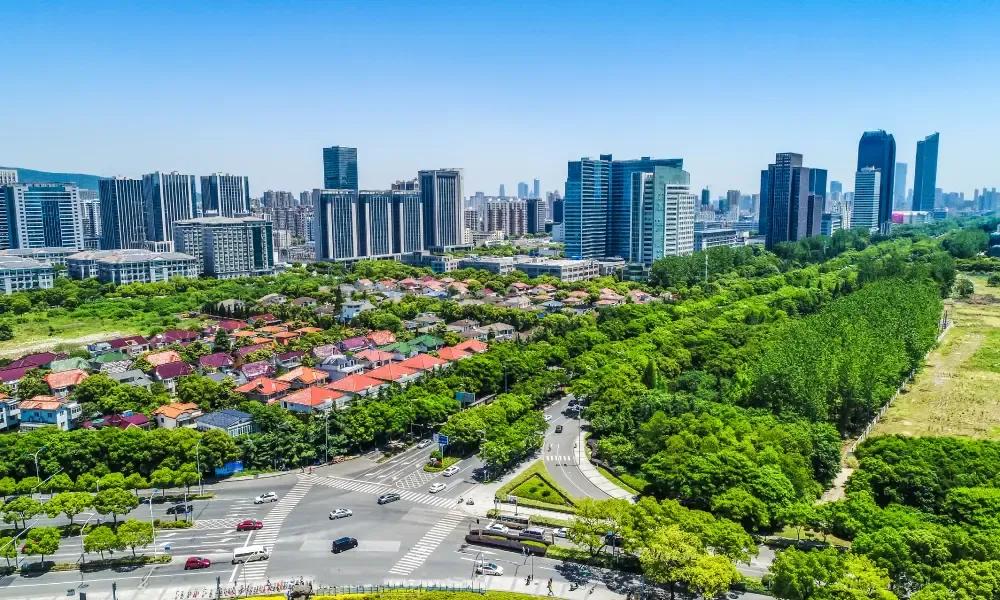
Bengaluru’s growth story has always been tied to technology. But over the last few years, another trend has quietly gathered momentum alongside IT parks and startups: integrated townships in South Bengaluru.
Market updates on South Bangalore clearly highlight integrated communities, mixed-use projects and amenity-rich gated enclaves as one of the key new housing trends, particularly along Hosur Road, Electronic City and Sarjapur Road. At the same time, industry commentary across India notes that large townships and gated communities are increasingly becoming the default aspiration for urban homebuyers, not just a niche product.
For IT professionals, the appeal is obvious. Long commutes, late calls and erratic work hours make work life balance housing less of a luxury and more of a necessity. Townships promise a “15-minute life” – where you can walk to the clubhouse, drop your child to school, grab groceries, and get to work or the metro with minimal time and stress.
Definition and evolution of integrated townships
An integrated township is more than a large apartment complex. In simple terms, it is a planned mini-neighbourhood that usually combines:
- Residential towers or villas
- Essential retail (grocery, pharmacy, cafés)
- Recreational spaces (clubhouse, sports courts, pools, parks)
- Often schools, clinics and office or co-working spaces within or next to the campus
Recent analyses of township living in Bangalore describe these projects as “live-work ecosystems” where daily needs and leisure are built into the master plan, reducing dependency on long, unpredictable commutes. In South Bengaluru real estate, integrated formats have evolved in three broad waves:
- Early gated layouts and villa communities along Kanakapura Road, Bannerghatta Road and older parts of Hosur Road, which focused mainly on secure residential living.
- Large gated community apartments Bangalore on arterial roads, with clubhouses and internal retail – often the first taste of township-style living for many families.
- Full-fledged integrated townships that consolidate hundreds of homes, lifestyle amenities, retail, and sometimes offices or schools on one continuous land parcel, especially around Hosur Road, Electronic City and Sarjapur Road.
A 2025 South Bangalore trends report specifically calls out integrated townships in South Bengaluru as one of the region’s most important emerging formats, alongside sustainable housing and curated amenities in gated communities.
Put simply, townships in the south have evolved from “big gated complexes” into complete urban environments designed around how people actually live, work and relax today.
Why IT professionals prefer townships near workplace hubs
If you ask a typical tech professional in Electronic City or along Sarjapur Road what they want from housing, the answer is surprisingly consistent: less time on the road, more time for life.
Several empirical studies on Bengaluru’s IT workforce show that long commutes and erratic work hours are among the biggest threats to work–life balance and mental wellbeing. As hybrid and flexible work have become mainstream, professionals are re-evaluating not just where they work, but where they live. That’s where integrated townships in South Bengaluru step in:
- Proximity to IT corridors – Many new townships are deliberately planned near hubs like Electronic City, Hosur Road and Sarjapur Road, reducing the daily commute to a short drive or even a shuttle ride.
- Predictable access to transit – With the Yellow Line serving Electronic City and further metro expansion planned toward Sarjapur, townships that sit near stations give residents a clear edge.
- Built for busy schedules – Internal amenities, on-site retail and services mean fewer weekend errands across the city, a big plus for those juggling deadlines and family time.
For many IT professionals, the ideal work life balance housing formula now looks like this: job in the south IT belt + township living Bangalore close to that belt + metro or arterial-road access for occasional trips to other parts of the city.
The result is a clear behavioural shift: instead of chasing only “brand-name” localities, more tech workers are choosing integrated townships in South Bengaluru that give them control over their time and routines.
Benefits – convenience, amenities, community life
The popularity of townships in the south isn’t driven by one factor; it’s the sum of many small, everyday advantages.
1. Everyday convenience
Townships bring together what people use most often – supermarket, pharmacy, salon, café, sometimes even a clinic or day-care – within the campus or at its edge. This drastically reduces micro-commutes and “chore fatigue”, especially for dual-income households.
2. Amenities that match modern routines
From swimming pools and indoor games to co-working lounges, jogging tracks and multipurpose courts, modern gated community apartments Bangalore are designed for residents who work long hours but still want fitness, hobbies and downtime close at hand.
3. Community and safety
For young families and single professionals alike, 24×7 security, CCTV coverage, controlled access and an active residents’ association add a layer of comfort that standalone buildings often can’t match. Integrated townships naturally encourage interaction through festivals, club events and shared spaces, making it easier to build a social circle in a big city.
4. Long-term value
Because townships cluster hundreds of homes with amenities and often benefit from major infrastructure around them, they tend to attract sustained demand and relatively healthy rentals. Reports on Bengaluru highlight integrated communities and large gated projects as key drivers of real estate investment hotspots in and around major IT zones.
For IT workers planning their careers in the city, these advantages make township living Bangalore feel less like an indulgence and more like a logical, future-ready housing choice.
Case studies – integrated developments in South Bengaluru
South Bengaluru offers several strong examples of large-format, integrated or near-township communities that illustrate how this model works in practice.
4.1 Hosur Road: Township-scale living near Electronic City
One flagship example is a major integrated township located on Hosur Road, positioned just minutes away from Electronic City, with excellent access to business districts and IT hubs. It combines high-rise homes with extensive lifestyle amenities, internal retail and well-planned open spaces – a classic case of integrated townships in South Bengaluru built around IT employment clusters.
Such projects allow residents to enjoy quick access to Electronic City’s job market while living in a quieter, more residential environment – ideal for tech workers who want separation between workplace and home, but not a punishing commute.
Sarjapur Road: Townships along the growth corridor
Sarjapur Road has become another focal point for township living Bangalore. Integrated communities like large 30-plus-acre and 100-plus-acre townships now dot the corridor, with developers combining apartments, villas, retail and social infrastructure on contiguous land parcels.
These projects are closely tied to tech parks and upcoming metro connectivity. For many employees who split their week between Whitefield, ORR and Electronic City, Sarjapur’s township belt offers a central base with access to multiple job nodes.
Electronic City: Work–home ecosystems for IT professionals
Electronic City itself is seeing a clear rise in integrated and township-style communities. Portal listings show multiple township projects in and around the micro-market, with configurations ranging from studios to large 3 and 4 BHKs aimed squarely at the IT workforce.
Upcoming integrated lifestyle townships in Electronic City are a strong example of this shift. Across these examples, the pattern is consistent: integrated townships in South Bengaluru are clustering around employment zones and future infrastructure, giving IT buyers not only a home, but a complete urban experience.
Impact on lifestyle, time-saving and mental well-being
The real test of any housing format is simple: does it improve daily life?
For many IT professionals, the answer with township living has been a clear yes.
A recent empirical study on work–life balance among IT professionals in Bengaluru highlights high stress from long commutes, odd timings and digital overload. It underlines the importance of living environments that reduce travel, support family time and encourage physical activity. Integrated townships in South Bengaluru address this in three ways:
- Time reclaimed
Living near workplace hubs and key metros can convert 60–90 minutes of daily commute into 20–30 minutes. That recovered time can go into workouts, hobbies, children or simple rest – all critical for long-term mental health. - Micro-routines that support well-being
Jogging tracks, gyms, pools and sports courts inside the campus make it easier to build sustainable wellness habits. Instead of planning a separate trip to a club or gym, residents can incorporate fitness into their everyday routine. - Social support and safety
Community festivals, kids’ play areas, senior zones and residents’ events turn large projects into real neighbourhoods. For young couples moving away from their hometowns, that support system can make a huge difference to emotional resilience.
When you combine these elements, work life balance housing stops being a buzzword and becomes something residents experience daily. Developers like Puravankara, with multiple large communities across the city and a growing focus on integrated formats in the south, are leaning into this expectation – designing homes that acknowledge how closely work, life and leisure are woven together for today’s tech workforce.
Conclusion
Bengaluru’s IT story is not slowing down. But the way its professionals choose to live is evolving fast.
Instead of shuttling between far-flung offices and fragmented neighbourhoods, more buyers are choosing integrated townships in South Bengaluru that offer proximity to jobs, strong connectivity, and a full stack of amenities and services on one campus. For many, this model strikes the right balance between ambition and sanity: enough access to the city’s opportunities, without sacrificing time, health and family life to traffic.
For developers, the message is clear: townships and large, integrated communities are no longer optional experiments – they’re central to how township living Bangalore will look over the next decade. For buyers, especially IT professionals planning a long innings in Bengaluru, they represent a practical way to align work, home and leisure.
In that sense, township living doesn’t just offer a new address; it offers a modern urban balance – one that sits at the heart of South Bengaluru’s next chapter, with curated communities from trusted brands like Puravankara leading the way.
FAQs
1. Are integrated townships more expensive than standalone apartment projects?
Not always. Ticket sizes can be slightly higher, but the per-sq-ft gap often narrows once you factor in amenities, infrastructure and long-term value.
2. How do maintenance costs compare in township communities?
Maintenance is usually higher than in basic buildings, but it covers extensive amenities, better security, landscaping and professional management, which many residents see as worth the premium.
3. What are the main advantages of township living for IT professionals?
Shorter commutes, on-site amenities, safer environments and a ready-made community—all support better work–life balance and reduce day-to-day stress.
4. Is township living Bangalore suitable for families with children and seniors?
Yes. Play areas, parks, clinics, schools nearby and barrier-free designs make integrated townships particularly attractive for multi-generation families.
5. How should buyers evaluate integrated townships in South Bengaluru before investing?
Check the developer’s track record, location relative to IT hubs and metros, amenity mix, association rules and long-term maintenance structure before committing.