Why Clubhouse Facilities Matter in Modern Residential Communities

19 Nov 2026
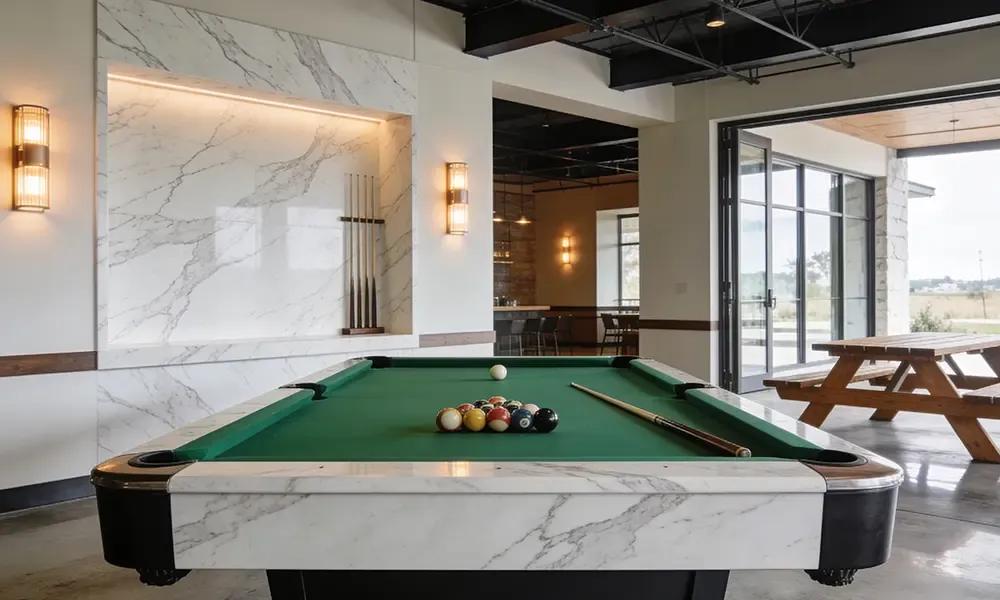
A few years ago, a clubhouse was often considered an additional attraction in a residential project. It was something buyers appreciated during a site visit, but it did not always influence their final decision. Today, that perception has changed. Clubhouses are becoming an important part of how modern residential communities are planned, experienced, and evaluated.
Homebuyers are no longer looking only at the size of an apartment, the location of the project, or the quality of its interiors. They also want to understand what life outside their front door will feel like. Will there be places to exercise, relax, work, socialise, or spend time with family? Can children participate in activities without leaving the community? Will senior residents have comfortable spaces to meet and unwind?
A well-designed clubhouse can help answer many of these questions. It extends the living experience beyond the apartment and creates shared spaces that support different routines. More importantly, it can turn a residential project from a collection of homes into a connected community.
The Clubhouse Is Becoming an Extension of the Home
Modern homes are expected to support several activities. People work, exercise, entertain guests, spend time with children, and pursue hobbies within their residential environment.
However, fitting every activity inside an apartment is not always practical.
A clubhouse provides additional spaces that residents can use without needing larger individual homes. A fitness room can replace the need for exercise equipment at home. A multipurpose hall can accommodate celebrations that would otherwise be difficult to organise inside an apartment.
Similarly, a reading lounge or shared workspace can provide a change of environment during the day.
This makes the clubhouse an extension of the home. It allows residents to enjoy more activities without compromising the comfort of their private living spaces.
A Place Where Neighbours Become a Community
One of the biggest advantages of clubhouse facilities is the opportunity for social interaction.
In large apartment developments, residents may live close to hundreds of neighbours without knowing many of them personally. Busy schedules and limited shared spaces can make interactions infrequent.
A clubhouse creates opportunities for people to meet naturally.
Residents may encounter one another during fitness sessions, children’s activities, community events, or casual evenings in the lounge. Over time, these interactions can develop into friendships and stronger neighbourhood relationships.
For people relocating to a new city, this can be particularly valuable. A welcoming residential community can make settling into unfamiliar surroundings easier.
Clubhouses also support a sense of belonging. Residents begin to associate their home not only with their individual apartment but with the wider community around it.
Fitness Facilities Make Healthy Routines Easier
Fitness is one of the most common reasons residents use clubhouse facilities.
A well-equipped gym within the community can reduce the time and effort required to maintain an exercise routine.
Residents do not have to travel to an external fitness centre or arrange their schedules around commuting. They can exercise before work, after returning home, or during a convenient break.
Some clubhouses may also include spaces for yoga, stretching, indoor sports, and group fitness activities.
The real advantage is accessibility.
When fitness facilities are close to home, it becomes easier for residents to incorporate physical activity into their everyday lives.
However, the quality of these facilities matters. Equipment maintenance, ventilation, hygiene, operating hours, and adequate space are essential for a good experience.
Wellness Is About More Than Exercise
Modern residential communities are increasingly recognising that wellness involves more than physical fitness.
People also need opportunities to relax, recover from busy schedules, and enjoy quiet moments.
Clubhouses can support this through yoga studios, meditation rooms, reading lounges, relaxation areas, and spaces designed for calm activities.
For working professionals, these facilities may provide a useful break from screen-heavy routines. For families, they can create opportunities to spend time together away from household responsibilities.
Wellness spaces are particularly valuable when they are comfortable and accessible.
A quiet lounge with natural light may offer more practical value than an elaborate facility that residents rarely use.
The focus should be on supporting everyday wellbeing rather than simply increasing the number of amenities.
Children’s Activities Become More Convenient
For families with children, clubhouse facilities can play an important role in residential life.
Indoor activity rooms, games areas, libraries, hobby spaces, and supervised programmes can provide opportunities for learning, recreation, and interaction.
These facilities become especially useful during weekends, school holidays, and periods of heavy rainfall.
Parents may appreciate having age-appropriate activities within the residential community rather than travelling frequently to external venues.
Children also benefit from meeting peers who live nearby.
Shared activities can help build friendships and create a sense of familiarity within the neighbourhood.
However, families should evaluate safety carefully. Children’s areas need appropriate equipment, adequate supervision arrangements where activities require it, and clear rules for access.
A thoughtfully planned facility can make family routines more convenient.
Clubhouses Can Support Senior-Friendly Living
Senior residents have different expectations from shared residential facilities.
While younger residents may prioritise fitness and recreation, older residents may value comfortable seating, accessible indoor spaces, gentle exercise activities, and opportunities for social interaction.
A clubhouse can provide a setting for these routines.
Reading rooms, indoor games, hobby activities, and community gatherings can encourage senior residents to remain socially engaged.
Accessibility is particularly important.
Ramps, lifts where required, handrails, appropriate flooring, accessible toilets, and comfortable seating help make facilities usable for people with varying mobility needs.
A good clubhouse should not be designed only for active young adults.
It should provide meaningful spaces for residents across different age groups, supporting a more inclusive residential environment.
Co-Working Spaces Reflect Changing Professional Routines
Hybrid work has changed how people use their homes.
Many professionals now divide their time between office-based and remote work. While working from home offers flexibility, it can also create challenges when apartments are shared with family members.
This has encouraged some residential communities to introduce co-working lounges, meeting rooms, and quiet workspaces within clubhouses.
These facilities can support video meetings, focused work, studying, and occasional professional discussions.
For residents, the advantage is having access to a work-friendly environment without travelling to an external office or café.
However, practical details matter.
Reliable internet, adequate charging points, comfortable seating, noise control, and clear usage policies are essential.
A shared workspace becomes valuable when it genuinely supports productivity rather than functioning only as a decorative lounge.
Celebrations and Gatherings Become Easier
Indian households regularly host family celebrations, festivals, birthdays, anniversaries, and social gatherings.
Organising these events inside an apartment can be difficult because of space limitations, parking arrangements, and concerns about noise.
A multipurpose hall or event space within the clubhouse can offer a practical alternative.
Residents may use these facilities for celebrations, cultural programmes, residents’ meetings, workshops, and other gatherings.
This can be especially convenient for families who prefer hosting close to home.
It can also strengthen community relationships by bringing residents together during festivals and shared occasions.
However, buyers should check booking rules, availability, charges, guest limits, and operating hours.
A clubhouse event space is most useful when its management policies are transparent and fair to all residents.
Indoor Recreation Matters Throughout the Year
Outdoor amenities are attractive, but weather conditions can limit their use.
During heavy rainfall, extreme heat, or uncomfortable outdoor conditions, indoor clubhouse facilities provide alternatives.
Games rooms, table tennis areas, reading spaces, hobby rooms, and indoor recreational zones allow residents to stay active and engaged.
For children, these spaces can provide entertainment during school holidays. For adults, they offer opportunities to relax or socialise after work.
Indoor recreation can also encourage interaction among different age groups.
A family may spend an evening playing games together, while neighbours may meet for recreational activities.
The value lies in creating flexible spaces that residents can enjoy throughout the year.
Privacy and Security Still Matter
Although clubhouses are designed for shared use, residents also expect privacy and safety.
A well-managed clubhouse should have controlled access, clear visitor policies, appropriate supervision, and security arrangements suited to the facilities provided.
For example, swimming pools require specific safety and maintenance procedures. Children’s activity rooms need suitable access policies. Event halls should have clear rules for guests and noise.
Good planning also helps separate quieter areas from high-activity spaces.
A reading lounge should not be placed where noise from recreational activities makes it uncomfortable.
Similarly, event facilities should be positioned and managed to minimise disturbance to nearby residences.
A good clubhouse balances social activity with the privacy residents expect from their homes.
Quality Matters More Than the Number of Amenities
Some residential projects advertise long lists of clubhouse facilities. However, a larger number of amenities does not automatically create a better living experience.
The more important question is whether the facilities are thoughtfully planned and genuinely usable.
A spacious, well-maintained gym may provide greater value than several small fitness rooms with limited equipment.
A multipurpose hall with practical seating, storage, and reliable facilities may be more useful than an elaborate space that is difficult to book.
Buyers should also consider the size of the residential community.
A clubhouse serving several hundred apartments must have sufficient capacity to manage demand comfortably.
The goal should be to create amenities that residents can enjoy regularly without excessive crowding or inconvenience.
Maintenance Determines Long-Term Value
Clubhouse facilities require continuous upkeep.
Fitness equipment needs servicing. Swimming pools require cleaning and water treatment. Indoor areas need housekeeping, electricity, ventilation, and repairs.
These operating expenses are typically reflected in the community’s maintenance arrangements, although some facilities may involve additional usage charges.
This is why buyers should understand the financial implications of clubhouse amenities.
An impressive clubhouse may look attractive during a site visit, but its long-term value depends on whether the residents’ association or facility management team can maintain it effectively.
Poorly maintained amenities can become frustrating rather than beneficial.
A good residential community should have realistic operating budgets, clear maintenance responsibilities, and transparent rules governing facility use.
Can Clubhouses Influence Property Value?
Clubhouse facilities can improve the appeal of a residential property, particularly among buyers who prioritise lifestyle and community living.
A well-maintained clubhouse may make a project more attractive to families, young professionals, and tenants seeking convenient amenities.
This can support rental and resale interest when the property is compared with similar developments.
However, clubhouse facilities do not guarantee higher property appreciation.
Location, construction quality, connectivity, layout, maintenance expenses, and surrounding infrastructure remain important factors in determining property value.
A project with excellent amenities but poor road access or unreliable services may still face challenges.
Clubhouse facilities should therefore be viewed as one part of a property’s overall value proposition rather than the primary reason to invest.
What Homebuyers Should Check During a Site Visit
Before choosing a residential community, buyers should inspect the clubhouse with the same attention they give the apartment.
They should examine its size, accessibility, facilities, maintenance arrangements, and distance from different residential towers.
If the project is already occupied, observing how residents use the clubhouse can provide useful insight.
A facility that is clean, functional, and regularly used may be more valuable than one that looks impressive but remains largely inactive.
For under-construction projects, buyers should review the approved plans, promised amenities, expected completion schedule, and applicable terms.
It is also important to understand whether clubhouse membership is included, what charges apply, and which facilities require advance booking.
These details help buyers evaluate the actual experience rather than relying only on marketing material.
What Developers Need to Get Right
For developers, clubhouse planning should begin with an understanding of the intended residents.
A community designed primarily for young professionals may benefit from co-working spaces, fitness facilities, and social lounges.
A family-oriented project may require children’s activity areas, multipurpose halls, and spaces for different generations.
Larger communities may need multiple activity zones to distribute usage more comfortably.
Developers should also consider accessibility, maintenance costs, safety, flexibility, and long-term management from the planning stage.
The best clubhouse designs are not simply visually impressive.
They are designed around how residents are likely to use the facilities years after moving in.
Conclusion
Clubhouse facilities matter in modern residential communities because they extend the living experience beyond individual apartments.
They provide spaces for fitness, relaxation, work, recreation, family activities, celebrations, and social interaction. They can help residents develop healthier routines, connect with neighbours, and enjoy greater convenience within their community.
However, the true value of a clubhouse depends on thoughtful design, accessibility, safety, adequate capacity, and consistent maintenance.
For homebuyers, the priority should not be choosing the project with the longest list of amenities. It should be finding a community where the facilities genuinely support everyday life.
A well-designed clubhouse does more than add another feature to a residential development. It creates opportunities for residents to spend time together, build connections, and experience a fuller sense of community living.

